
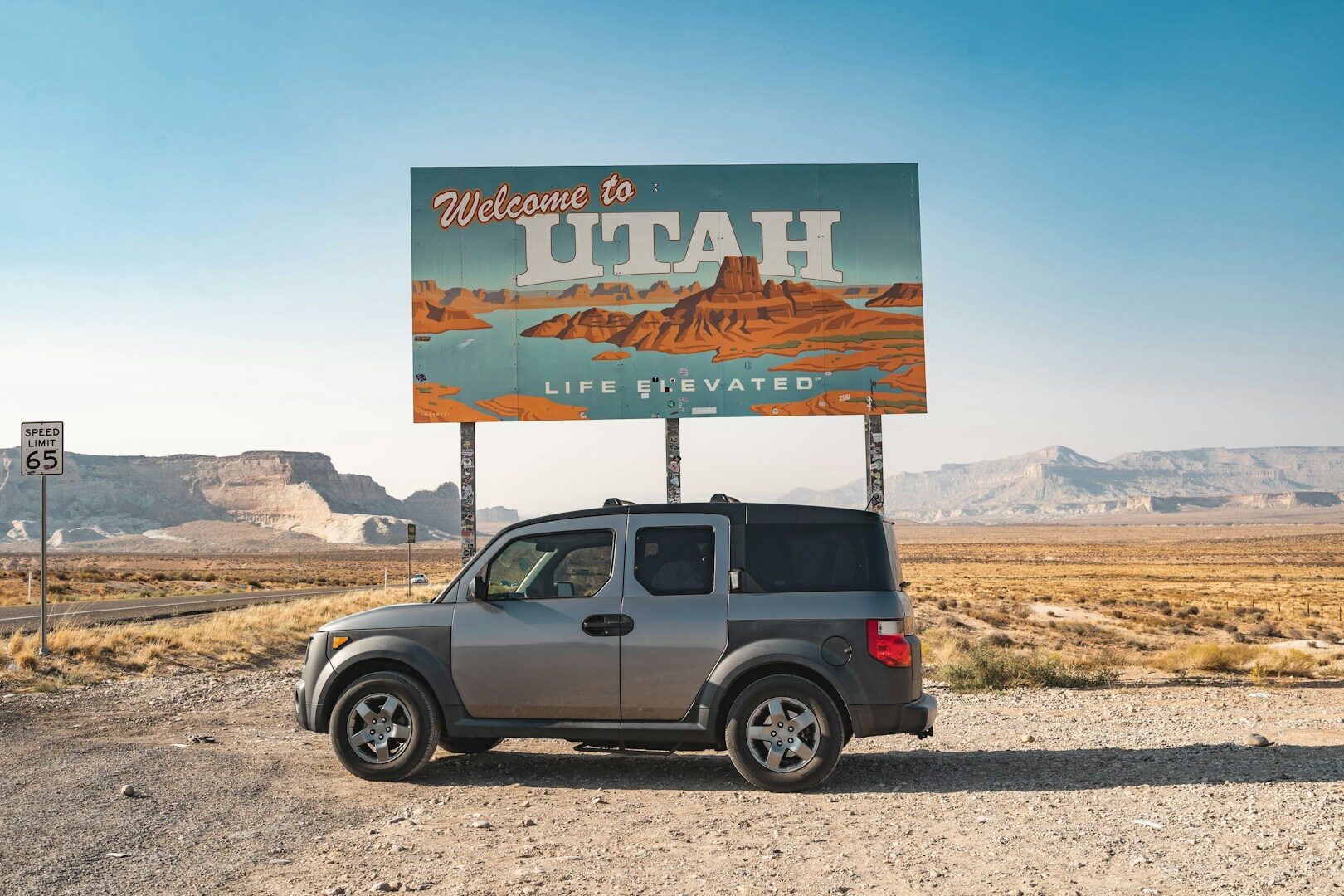
Let’s get one thing straight before the comments section catches fire: Honda has not announced a new Element. There’s no press release, no leaked patent filing, no spy shots of a camouflaged box being flogged around the Nürburgring. What there is, instead, is a corner of the internet that refuses to let the boxy little wagon die, and a steady drumbeat of “wouldn’t it be great if” chatter that has lately mutated into full-blown rumor about a 2029 hybrid revival.
The Cult Car Honda Never Meant to Create
Honda built the Element from the 2003 through 2011 model years, pitching it at outdoorsy twenty-somethings who supposedly wanted to hose mud out of the cabin after a day of surfing or hauling a dog. It rode on the same platform as the CR-V, came with a 2.4-liter four-cylinder, and offered front- or all-wheel drive. The headline features were the clamshell side doors with no B-pillar, the flip-up or removable rear seats, and those famously wipe-clean, water-resistant interior surfaces.
The funny part is that the demographic Honda chased never really showed up. The people who actually bought Elements skewed considerably older than the surf-bro fantasy in the brochures. But that mismatch is exactly what turned the Element into a beloved oddball instead of an unremarkable mid-2000s compact crossover, precisely because there’s nothing else on the market that does what it did. Boxy, cheap-to-fix, and shaped like a sensible appliance, it occupies a niche that automakers abandoned and never refilled.
Why the Rumor Keeps Resurfacing
So let’s separate what’s real from what’s wishful, because the Element is exactly the kind of cult car that gets resurrected in fan forums a hundred times before any executive ever signs off on it. Add in the broader nostalgia economy — where everything from the Volkswagen bus to the Ford Bronco has been resurrected to cheers and pre-orders — and it’s easy to see why “bring back the Element” trends every few months. Toss in a hybrid powertrain to satisfy the efficiency crowd, and the rumor practically writes itself.
The Hybrid Part Actually Checks Out
Here’s where the rumor gets its legs from real strategy. Honda has been aggressive about electrifying its core lineup, and its two-motor hybrid system already powers strong-selling versions of the CR-V, Accord, and Civic. The company has publicly committed to a heavily electrified future, which means any new model launching toward the end of the decade would almost certainly arrive with a hybrid or fully electric powertrain rather than a plain gas engine.
So the powertrain half of the rumor is entirely believable. A modern Element built on the current CR-V’s bones, fitted with Honda’s proven hybrid setup, is not a technical stretch at all. The harder question is whether Honda’s product planners see a business case for a deliberately boxy, lifestyle-focused model in a market already crowded with conventional crossovers.
The Business Case Is the Real Obstacle
Cult enthusiasm and resale strength are not the same thing as showroom volume, and Honda knows that better than anyone. The original Element sold respectably for a few years and then faded, which is precisely why it was discontinued in the first place. Reviving a nameplate is a marketing gift and a financial gamble in equal measure, and automakers have killed plenty of beloved-but-niche ideas long before they reached a dealer lot.
Until Honda says otherwise, treat the 2029 Element hybrid as exactly what it is: a genuinely fun, genuinely plausible piece of internet wish-casting, not a confirmed product. The good news is that the appetite is obviously real. The boxy faithful have made their case loudly and repeatedly. Now it’s on Honda to decide whether nostalgia is worth a production line.
Related reading:
- Everyone’s Fawning Over Slate’s $25K Electric Truck. Here’s Why You Should Pump the Brakes
- America’s EV Weight Problem Is Catching Up Fast, and Drivers May Soon Get the Bill
- 6 Things to Buy First When You Get a New Car
- 10 Automotive Books Every Enthusiast Should Read