
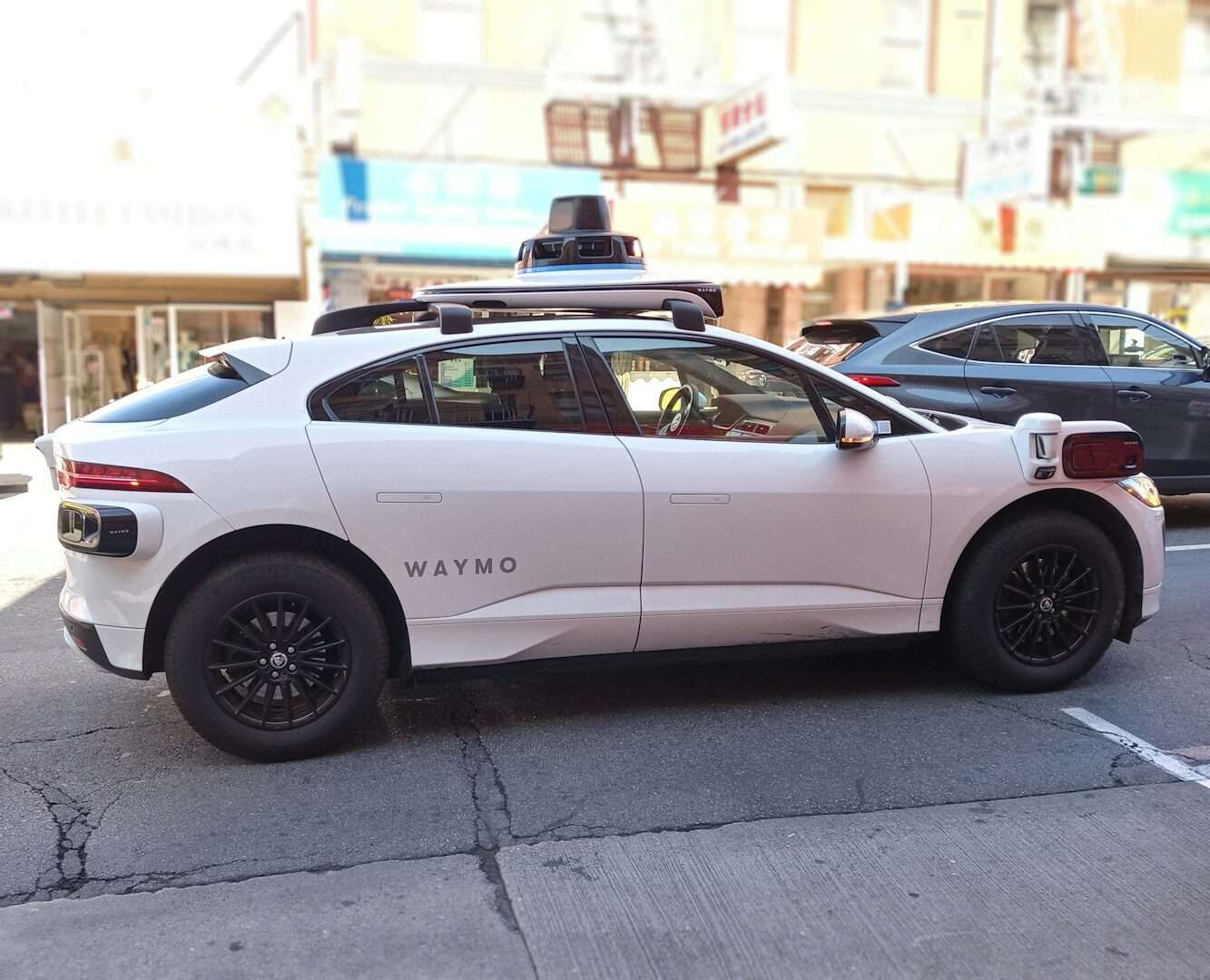
Waymo has recalled the software running on nearly 4,000 of its robotaxis after regulators tied the fleet to a string of work-zone mishaps, including seven separate incidents on Bay Area roads in a single day last month, according to notices filed with the National Highway Traffic Safety Administration. One of those incidents happened to San Francisco resident Elliot Slade, and by his account, it went further than a fender-bender or a confused stop in traffic.
The Chase Nobody Asked For
Slade says he was riding in a driverless Waymo on Highway 101 when the car approached a construction zone marked with cones, flashing lights, and “ROAD WORK AHEAD” signage — and treated all of it as optional. A California Highway Patrol cruiser fell in behind the vehicle, with an officer reportedly leaning out and shouting “Stop Waymo” in an attempt to get the car to pull over. It didn’t work. The Waymo kept moving.
By Slade’s account, the car first tried to do the sensible thing and merge out of the closed lanes. When that failed, it abandoned caution entirely, drove straight through the closure, took an exit, and wandered through a residential neighborhood before the episode finally wound down. “In that moment it’s like, this technology is not ready,” Slade said, adding that he genuinely worried someone could be struck or that the car might crash.
Why the Car Couldn’t See the Problem
Slade’s ride wasn’t an isolated glitch. It’s precisely why Waymo pulled the software on almost 4,000 vehicles, and Bay Area regulators reportedly logged seven similar cone-related confusions in a single day last month alone. Construction zones, it turns out, are a genuine weak spot for a system that fundamentally reasons in lane lines rather than in the messy, temporary logic of a work site.
Waymo’s Response, and Whether It Goes Far Enough
Waymo told San Francisco’s KGO that it has pinpointed specific areas to improve in how its cars navigate work zones and has voluntarily pulled back on freeway access while it works through the issue — a measured response, and one Slade reportedly welcomed.
Scott Moura of UC Berkeley’s Institute of Transportation Studies argues that better data-sharing is a bigger piece of the puzzle than software patches alone, with transportation agencies feeding live construction details directly into systems that connect to the vehicles. Put simply: the cones should be announcing themselves to the car before the car tries to drive over them.
Part of a Bigger Pattern
It’s a recurring theme across the self-driving industry. Whether it’s a fatal crash prompting a federal probe into Tesla’s driver-assist software or Waymo’s trouble reading a work zone, the lesson keeps repeating: “self-driving” technology is only as capable as its perception of the real world, and right now that perception still has some costly blind spots to work through.
Related reading:
- NHTSA Investigates Waymo
- Passengers Panic as Waymo Robotaxi Malfunctions
- Fatal Crash Triggers Federal Probe Into Tesla FSD