
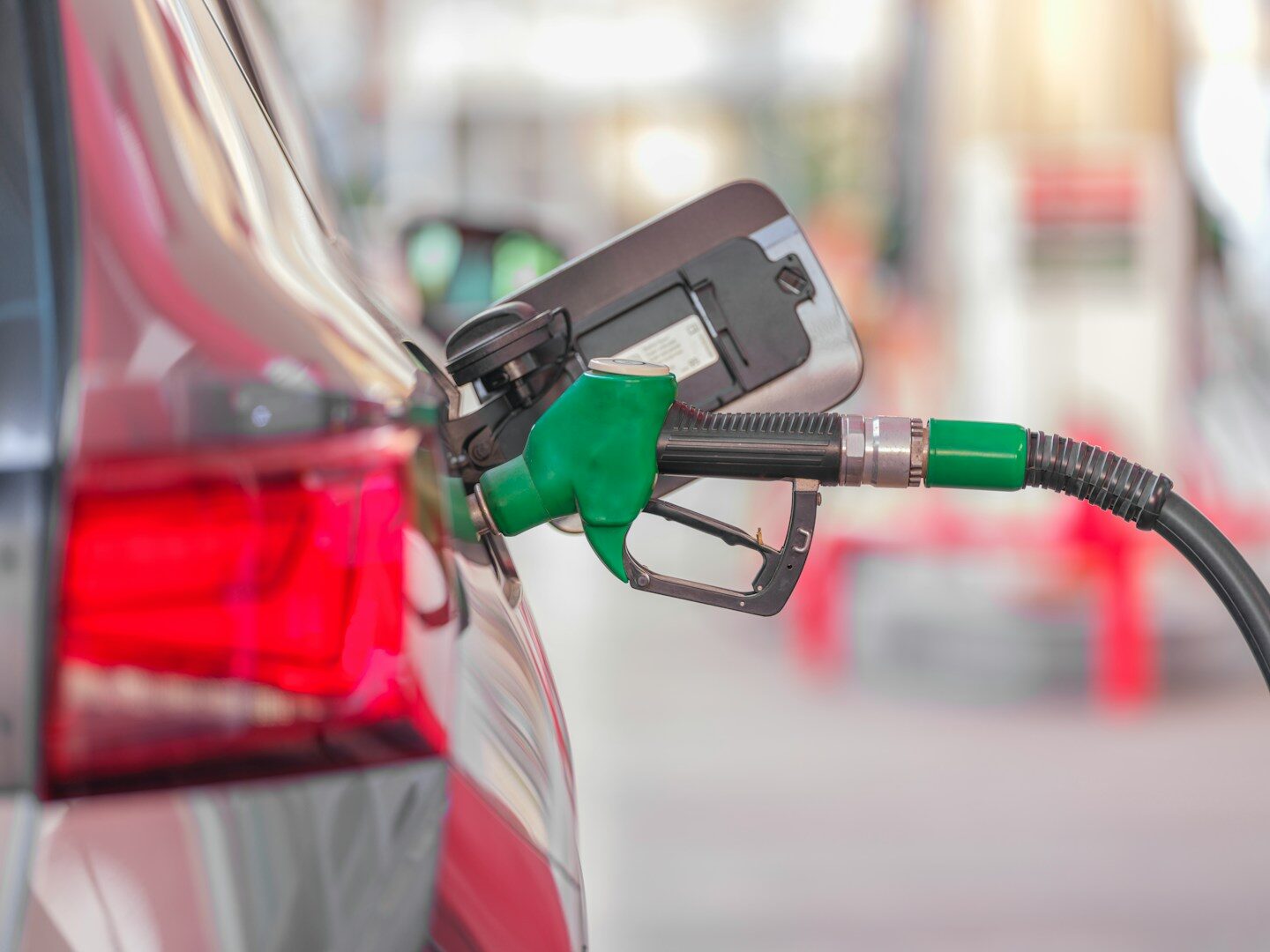
Few automotive myths have proven as stubborn as the belief that premium gasoline is somehow “better for your car” the way organic kale is better for you. Walk up to the pump, see that the good stuff costs sixty cents more a gallon, and some deep lizard-brain instinct whispers treat yourself, treat the car. For the overwhelming majority of drivers, that instinct is quietly setting money on fire.
Check This Out: 5 Genius Garage Upgrades Under $100 That Make a Big Difference
What Octane Actually Measures
Here’s the thing the octane number actually measures: resistance to knock, which is premature, uncontrolled combustion inside the engine. Higher octane resists knock better. That’s it. It is not “cleaner,” it doesn’t have magic detergents your regular gas lacks, and it will not make your commuter sedan feel like a track car.
What the Owner’s Manual Actually Says
Your car was engineered for a specific octane rating, and the manufacturer prints it in two places: the owner’s manual and usually the inside of the fuel door. The words matter enormously. If it says premium is “required,” use premium — engines with high compression ratios genuinely need it to avoid knock and run as designed. If it says premium is “recommended,” the car will happily run on regular; modern knock sensors simply adjust timing, and you’ll lose a sliver of performance you’ll never feel in traffic.
And if your manual just says “regular”? Pouring premium into that tank does exactly nothing beneficial. You are paying extra for a property your engine cannot use.
Where the Real Money Hides
Fuel is one of the biggest ongoing costs of car ownership, and it’s where small habits compound. Buying octane you don’t need, driving on underinflated tires, and hauling around a trunk full of stuff all quietly nibble at your fuel economy. Given how much gas prices bounce around based on forces completely outside your control, the smart move is optimizing the handful of variables you actually own.
The Honest Exceptions
If you drive a turbocharged performance car, tow heavy loads in summer heat, or hear audible knocking (a metallic pinging under acceleration), premium may genuinely be worth it — knock is destructive over time. But for the average crossover, sedan, or economy car with “regular” on the fuel door, premium is a placebo with a price tag.
Read your fuel door. Believe it. Then go put that sixty cents a gallon toward something that actually improves your life.
Read Next: 10 Emergency Car Products You Hope You Never Need
Sources: FTC fuel-octane consumer guidance; manufacturer fuel recommendations.