
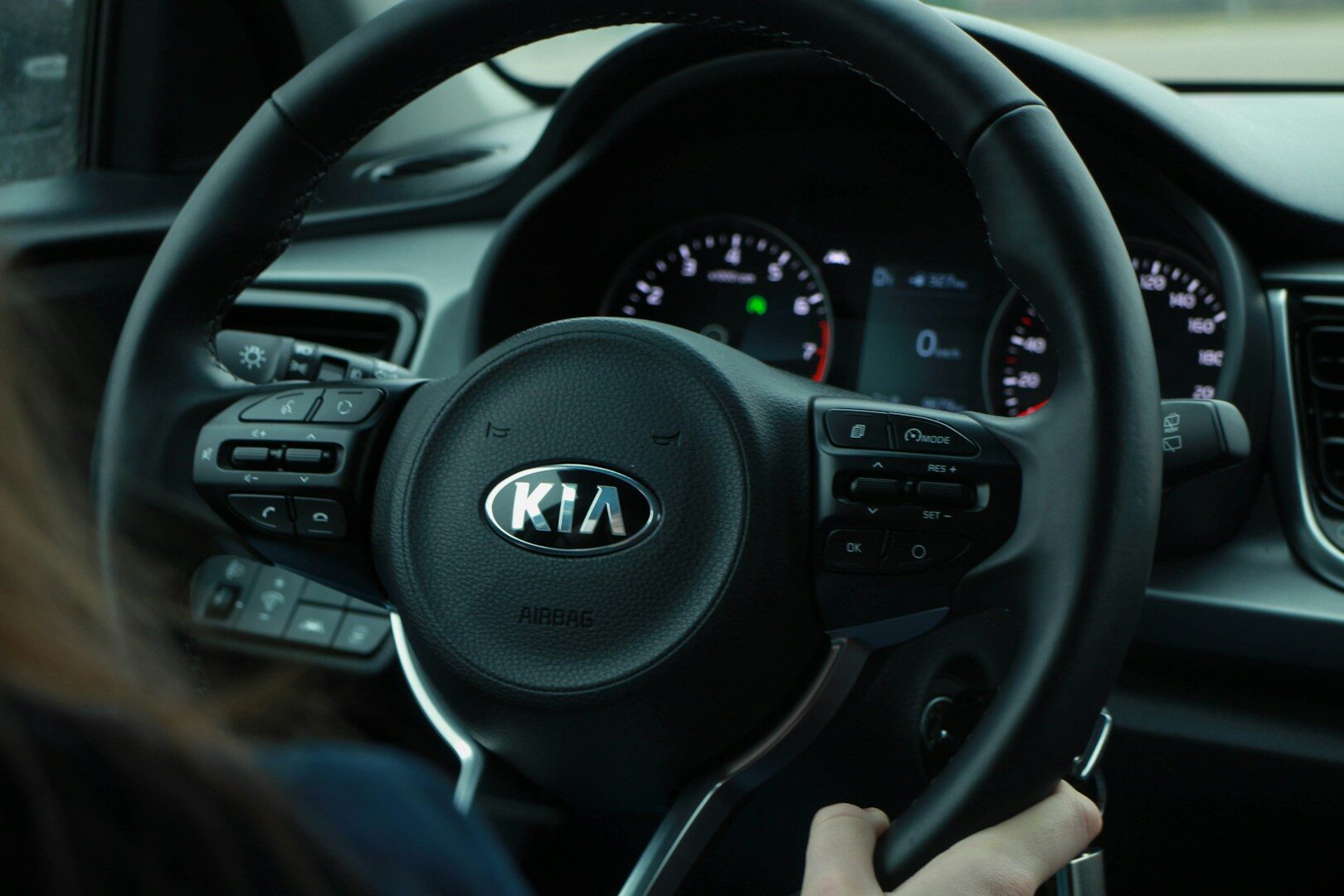
Kia isn’t just recalling nearly 463,000 Tellurides for a fire risk this week. It’s recalling the recall that was supposed to have already solved that fire risk two years ago.
On July 2, 2026, Kia filed NHTSA campaign 26V430000, covering 462,869 examples of the 2020-2024 Telluride. The notice tells owners to park outside, away from structures, until a dealer installs an electronic fuse assembly to stop the front power seat motor from overheating. If that sounds familiar, it should. It’s nearly the same population of vehicles, the same defect, and the same warning Kia issued under campaign 24V407000 back in June 2024.
NHTSA’s own database spells out what happened in one blunt line: “This recall replaces NHTSA recall number 24V407.”
Wait, replaces?
Recalls are supposed to close a defect out, not require a sequel. It is unusual for a campaign this large to get reopened this cleanly, with the agency explicitly tying the new filing to the old one instead of treating it as a fresh, unrelated problem.
The bigger tell is buried in the defect description itself. In 2024, Kia blamed the fire risk on a power seat slide knob that could get stuck, holding the seat motor’s switch engaged until it overheated. In the 2026 filing, Kia added a second culprit: an “improper recall 24V407 repair.” Translation: the fix installed at dealerships under the first recall, a bracket over the seat switch’s back cover plus a redesigned slide knob, may not have been installed correctly everywhere, and that botched repair is now listed as a possible fire cause in its own right.
Sit with that for a second. A dealer repair meant to eliminate a fire risk is apparently now part of the reason nearly half a million vehicles are heading back to the shop. Recall repairs aren’t performed on one controlled assembly line; they’re carried out one car at a time, by different technicians, at thousands of independent dealerships, with far less process control than the factory that built the car in the first place. NHTSA doesn’t physically re-inspect every completed repair. It leans on the manufacturer’s own field data, warranty claims, and complaint patterns to notice when a fix isn’t holding up, which is exactly the kind of pipeline that appears to have surfaced this one.
The remedy itself tells the real engineering story here. The 2024 fix was mechanical: a bracket to keep the seat switch from being pinned down, plus a new knob shape less likely to snag on anything. It targeted the trigger, on the theory that if the switch could never get stuck, the motor could never overheat. The 2026 fix is electrical: an inline fuse that cuts power the instant current draw goes abnormal, regardless of what’s happening at the switch.
A bracket bets on behavior. A fuse bets on physics.
That difference is the actual headline here, more than the fire itself. One approach assumes engineers can anticipate every way a knob or a switch might jam over years of oil spills, dropped phones, and toddler feet. The other assumes they can’t, and protects the wiring regardless of the cause. Overcurrent protection is a more fundamental fix precisely because it doesn’t care why the motor stalled. It just refuses to let a stall turn into a fire.
The population hasn’t changed. NHTSA lists 462,869 units in both filings, essentially the entire original recall coming back through dealer service departments a second time. Owner notification letters go out August 13, 2026, and VINs won’t even be searchable on NHTSA’s site until July 17. Anyone who already had the 2024 repair completed doesn’t get to skip this round; Kia’s own filing says those vehicles still need the new fix. A “recall completed” note in a service history file no longer means what most owners probably assumed it meant.
This isn’t the first time this corporate family has had to come back and redo a fire-related fix. Hyundai and Kia spent much of the last decade dealing with the fallout of the Theta II engine fire recalls, which were expanded and re-expanded as the true scope of that defect kept growing. The Telluride’s seat motor saga is a smaller echo of the same pattern: an initial recall that treats a defect as simpler and more contained than it turns out to be, followed years later by a broader, costlier correction. It’s a reminder that Kia’s willingness to redo an entire recall population at scale isn’t new, either; it’s essentially the same playbook the brand used with the anti-theft steering-lock retrofit it rolled out across more than four million U.S. vehicles.
For anyone shopping a used Telluride from this era, that matters beyond the annoyance of a second dealer visit. A clean recall history is only as trustworthy as the technician who closed it out the first time, and a fire loss on a vehicle that’s been through the same defect twice is going to draw real scrutiny from insurers and adjusters trying to figure out whether the cause was the original defect, the botched repair, or bad luck. NHTSA’s advice to park outside and away from structures isn’t boilerplate caution copied from the last filing. It’s the agency telling owners, again, that the risk is active today, not theoretical.
Six separate safety campaigns have now hit the 2023 Telluride alone, covering everything from a driveshaft that can let the vehicle roll away unattended to door trim that can detach in traffic. It lands amid a broader wave of recalls across the industry this summer, and it’s worth checking your vehicle’s recall status directly with NHTSA once these VINs go live, rather than assuming an old paper recall notice still covers you.
The story here was never really the seat motor. It’s that Kia’s first attempt at fixing it depended on a technician getting a bracket and a knob exactly right, half a million times, forever. This time, Kia is trying to engineer its way out of needing anyone’s good behavior at all.