
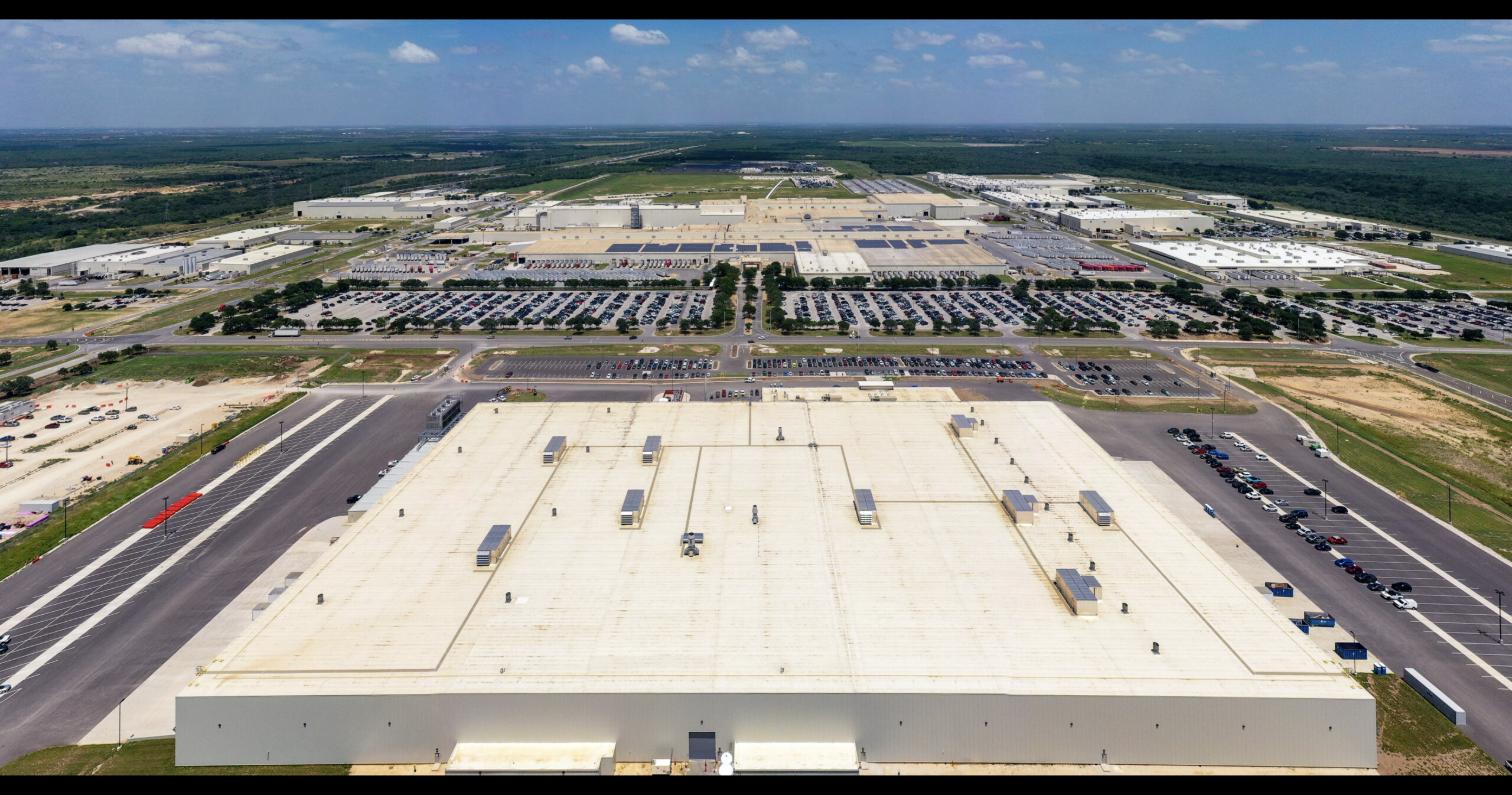
Toyota did not spend $3.6 billion in San Antonio because it rediscovered patriotism. It spent that money because the math on where you’re allowed to build a profitable mid-size truck just changed, and the company is now paying to undo a decision it made only a few years ago.
On July 6, Toyota Motor North America announced a second assembly line at its Texas plant, built specifically for the Tacoma. Over the next four years, Tacoma production will shift out of Toyota Motor Manufacturing Baja California and into San Antonio. Some Tacoma volume will keep coming from Toyota’s other Mexican plant, in Guanajuato. But the Baja California line, built years ago to feed America’s appetite for mid-size trucks, is being wound down in favor of a facility a few hours from the Alamo.
That’s the sentence worth reading twice. Automakers do not physically relocate an assembly operation because a governor asked nicely.
Buyer’s guide: Best Accessories for Toyota Tacoma Owners
What actually happened
The expansion adds 2.5 million square feet and 2,000 jobs to Toyota Texas, pushing total investment at the site since 2003 to $8.3 billion. It’s the third major structure on that campus, joining the original vehicle assembly line and a rear-axle plant that Toyota’s own release describes as nearing startup.
That axle plant is not a footnote. It’s most of the story.
Wait, really? An axle plant is a compliance strategy, not a ribbon-cutting
Here’s the part most coverage of this announcement will skip. Under the USMCA, a vehicle only crosses the border tariff-free if roughly three-quarters of its value originates in North America, and a meaningful share of that content has to come from plants where production workers earn at least $16 an hour. Mexican assembly wages, even at Toyota’s well-run plants, don’t clear that bar on their own. Automakers hit the threshold by localizing the expensive, heavy components, engines, transmissions, axles, on the U.S. side of the ledger.
A rear-axle plant sitting next to a new Tacoma line isn’t primarily about shipping logistics. It’s a regional-value-content strategy with a loading dock. Build the axle in Texas and bolt it to a truck built in Texas, and the customs paperwork gets a lot friendlier than it would if that axle crossed the border first.
Wait, really? This wasn’t supposed to be the truck that came home
For years, the working assumption across the industry has been that cheap, high-volume vehicles belong south of the border and expensive, low-volume ones belong north of it, where labor costs matter less against a bigger sticker price. That’s roughly the logic Toyota followed when it built out its Mexican truck capacity in the first place, and it’s close to what Nissan admitted outright when it said cheap cars can’t be built in America right now.
The Tacoma breaks that pattern. It isn’t a luxury SUV. It’s a mid-size truck competing on price against the Ford Ranger and Chevy Colorado, and it’s still one of the best-selling vehicles in that class since its recent redesign. Moving it north only pencils out if the cost of staying south, in tariff exposure and compliance risk, has grown faster than the labor savings that sent it there to begin with.
Toyota already builds its priciest trucks on this same lot, and that part isn’t new. What’s new is the company deciding its cheaper truck can no longer afford to sit outside the tariff wall either.
Why now
The USMCA gets reviewed annually, and Washington’s appetite for tariffs on Mexican-built vehicles has not been shy lately. Toyota isn’t reacting to one tariff. It’s pricing in another decade of a trade relationship that gets re-litigated every twelve months, and a domestic axle plant is a lot cheaper than betting the Tacoma’s margin on that relationship staying friendly.
Toyota Texas president Frank Voss framed the site’s original 2,000 acres as land bought decades ago “for its ability to scale with vehicle demand.” That scaling is exactly what’s happening now, just aimed at a different border than the one most people assumed.
What it means for owners and buyers
None of this changes anything at your dealership this year. Toyota’s own timeline stretches to 2030, and the redesigned Tacoma already generates enough demand to keep dealer markups alive without help from a new line. But a Texas-built driveline does mean less of the truck’s value depends on a single border crossing, which matters the next time a customs slowdown, a currency swing, or a new tariff line item threatens to back up a supply chain overnight. Owners won’t see that on the window sticker. They’ll see it in whether their truck shows up on schedule, and eventually, in whether a replacement axle is sitting in a warehouse in Texas or stuck on a truck at a port of entry.
What to remember
Strip away the jobs number and the podium, and this isn’t a story about Toyota falling in love with Texas. It’s a story about which trucks are still cheap enough to make sense on the wrong side of a tariff line, and the Tacoma just failed that test. A ribbon-cutting is a press photo. An axle plant is a receipt.