
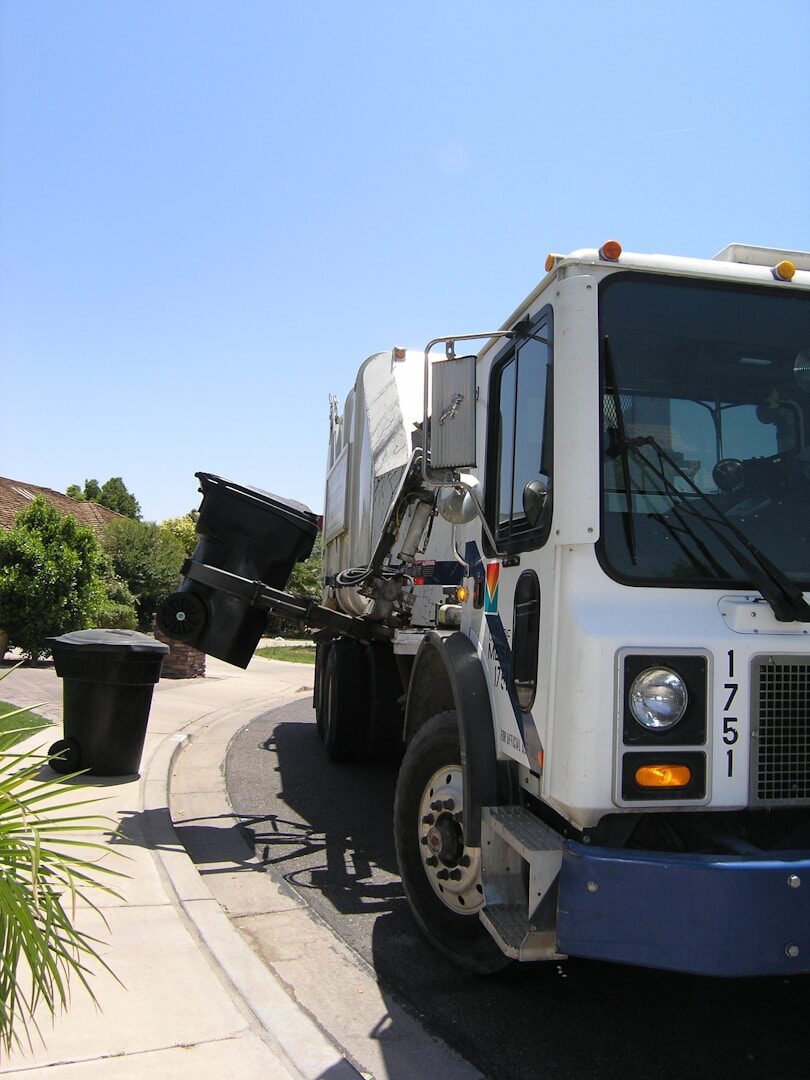
Cape Coral, Florida is looking at a proposal to strap AI-powered cameras onto its garbage trucks. As the trucks roll their normal routes, the cameras would scan yards and house fronts for code violations: overgrown grass, illegal dumping, peeling paint, the usual blight checklist. City leaders are framing it as a staffing fix. Code enforcement departments are chronically understaffed, and a camera riding along on a truck that’s already driving the route costs less than a human inspector driving a second route just to look for the same things.
That’s the announcement. It isn’t the story.
The real story is what happens to data once it exists, and car owners have already lived through the exact version of it. General Motors ran a strikingly similar play on its own customers through OnStar, got caught, and is currently serving a five-year federal ban because of it. Cape Coral hasn’t gotten anywhere near that far yet. But the pattern is close enough that anyone who owns a car should recognize it instantly.
The Pitch Is Efficiency. The Product Is Data.
The vendor behind much of this trend is a company called City Detect, which brands its system around what it calls The Good AI. Its pitch to cities is almost identical to Cape Coral’s plan: mount cameras on vehicles the city already owns and drives (garbage trucks, code enforcement SUVs, whatever is already burning gas on a route) and let computer vision flag problems for a human to verify later. No new patrol cars, no new payroll, and fewer emissions than adding a dedicated inspection vehicle. It’s a genuinely clever piece of packaging.
Stockton, California has already run the program long enough to generate real numbers, and they are worth sitting with. According to City Detect’s own case study, the system captured 199,159 images across the city, analyzed 39,740 parcels, and flagged 13,852 unique issues. That isn’t a pilot. That’s a rolling, continuous photographic survey of tens of thousands of private properties, generated as a byproduct of a truck doing its actual job. Cathedral City, California has used the same system to send out 500 courtesy notices after analyzing more than 12,000 parcels.
Dallas has approved more than $850,000 for a nearly identical system, pending final city council sign-off. Cape Coral is still just weighing the idea. None of this is hidden; these are public proposals with public price tags attached. What’s discussed far less is what these systems are being layered on top of.
The Cameras Were Already Watching Your Car
Trash-truck cameras aren’t arriving into a surveillance vacuum. Flock Safety already operates somewhere between 80,000 and 90,000 AI-enabled cameras across American communities, mostly mounted on fixed poles rather than moving trucks. Flock’s systems don’t just read plates. They build what the company calls a vehicle fingerprint (make, body style, decals, roof racks, bumper damage, and dozens of other visual markers) and run what it calls convoy analysis to flag vehicles that keep turning up near each other. The ACLU has spent the past year documenting how that analysis gets used to flag ordinary drivers as suspected participants in organized crime, based on nothing more than repeated proximity to another car.
Some cities got uncomfortable enough with how difficult it was to turn off Flock’s data-sharing defaults that officials reportedly resorted to physically covering the cameras with trash bags. Sit with that image for a second: one city used garbage bags to blind a camera network, while a separate set of cameras is about to start riding around on the trucks that collect the garbage. Nobody planned that irony. It is simply what happens when surveillance infrastructure gets deployed faster than the policy meant to govern it.
Detroit Already Ran This Experiment
Here’s the part that should matter most to anyone reading a car website. This exact pattern, a system built for one stated purpose that quietly gets monetized for a different one, already happened to millions of car owners, and the receipts are sitting in a federal case file.
For years, GM’s OnStar Smart Driver feature collected precise geolocation and driving-behavior data from customers, in some cases every three seconds. It was pitched as a tool to help drivers understand their own habits. What GM didn’t clearly disclose, according to the FTC, was that it sold that data to consumer reporting agencies, which packaged it into reports insurers used to raise premiums or deny coverage, often without the driver ever knowingly agreeing to any of it. A GM customer summed up the betrayal to a company representative better than any regulator could: “you’re making me pay more to my insurance company.”
In January 2025, the FTC banned GM and OnStar from disclosing that kind of data to consumer reporting agencies for five years and ordered the company to start obtaining real, affirmative consent. It was the agency’s first-ever connected-vehicle privacy case. GM had already paid $12.75 million two years earlier to settle a related California lawsuit over the same OnStar data practices.
That’s the blueprint. A feature gets sold to the public as a convenience or a public good. The data it generates turns out to be worth more, to someone else, for an entirely different purpose. By the time anyone notices, the data has already been sold and the premiums have already gone up.
What Cape Coral’s Weeds Have in Common With Your Insurance Bill
City Detect and Cape Coral both insist the current system is assistive only; a human still has to verify every flagged violation before a fine gets issued. That’s a real safeguard, and it’s more than GM ever offered its own customers. But the ACLU’s core warning about Flock applies just as easily here: systems introduced to solve one narrow problem tend to get repurposed once someone realizes the underlying camera network is useful for something else entirely. Code enforcement data becomes tracking data. Tracking data becomes a product. A product, eventually, gets sold to whoever is willing to pay for it: insurers, data brokers, or a police department that never had to write a warrant.
Municipal fleets are already quietly instrumented far beyond what most residents assume. A single event recorder inside a Baltimore patrol SUV was enough on its own to trigger a $400,000 payout earlier this year, long before anyone bolted a code-enforcement camera to a truck.
Car owners already fought a version of this battle once, through their own dashboards. California tried legislating an off-switch for connected-car tracking, and automakers responded by threatening to stop selling cars there rather than build one. That fight is still unresolved. It’s worth remembering the next time a city insists a camera is just there to look at weeds.
Your car sold data on you for years before anyone with subpoena power noticed. The garbage truck is just the version of that story you can actually see coming.