
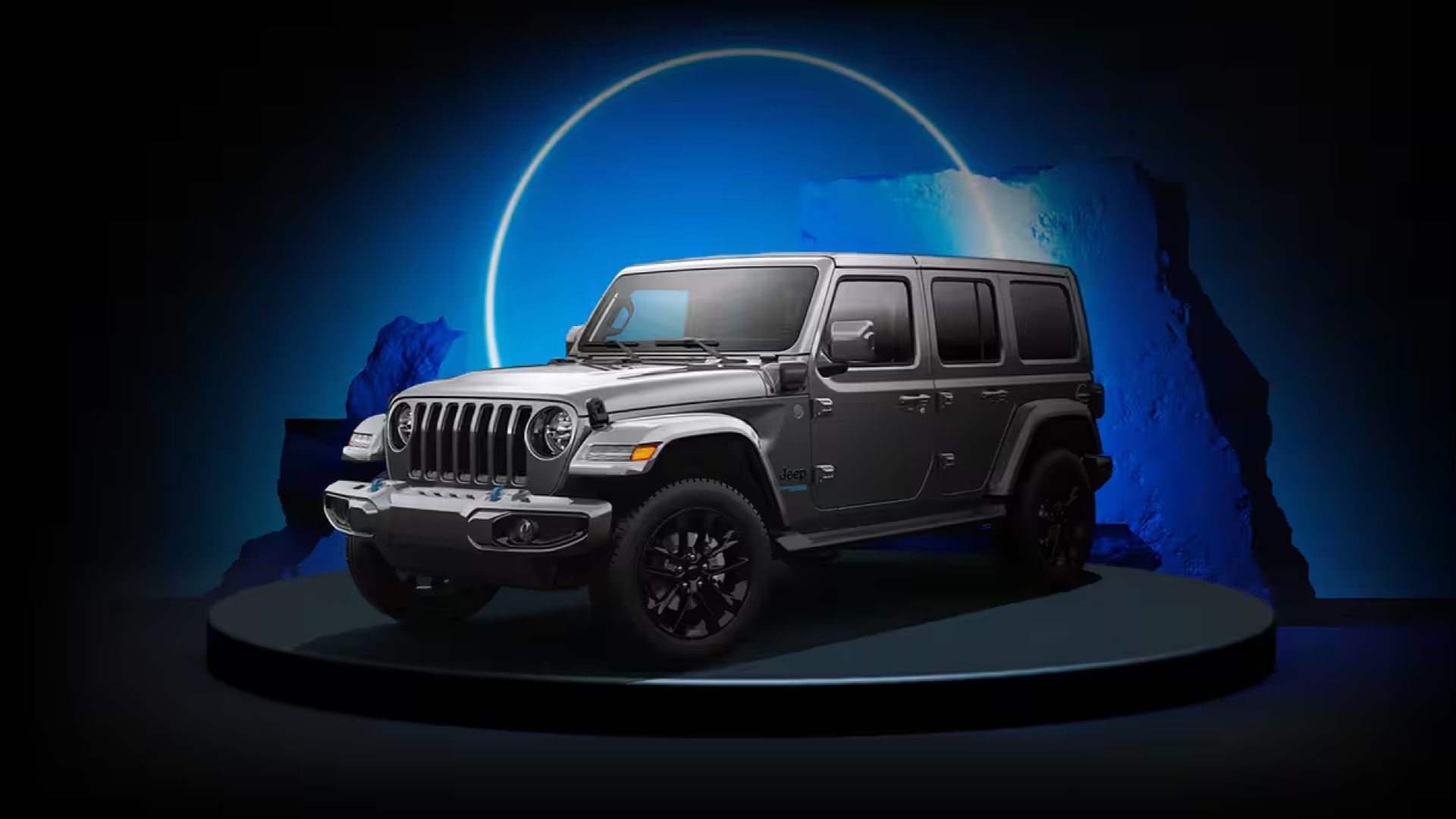
Look at the résumés of the two men now running Jeep and Ram, and you’ll notice something missing. Neither has ever developed a vehicle, run an assembly plant, or signed off on an engineering budget. One spent his career building dealer websites. The other spent it running car lots for the country’s largest public dealership group. Stellantis didn’t just swap two executives this week. It told you, without saying it out loud, exactly what it thinks is broken at two of its most important American brands — and it isn’t the cars.
Garage Deals: Nowell Leather’s Hand-Stitched EDC Gear Belongs in Every Gearhead’s Glovebox
On July 20, Stellantis named Matt VanDyke the new CEO of Ram, taking over from Tim Kuniskis, who had been running Ram while simultaneously overseeing marketing and retail strategy for all of Stellantis’s American brands. On August 3, Branden Coté becomes CEO of Jeep, replacing Bob Broderdorf, who is taking medical leave after roughly a year and a half in the job and is expected to return to a different leadership role once he’s back. Both new hires report to Kuniskis, whom Stellantis CEO Antonio Filosa has installed as the top overseer of the company’s American lineup.
The Résumés Say Everything
Here’s what’s notable about VanDyke and Coté: neither one is a car guy in the traditional sense. VanDyke’s most recent job was president of Shift Digital, a firm that builds digital retail tools for dealerships. Before that, he ran FordDirect and held marketing titles at Ford and Lincoln. Coté spent his most recent years as brand president at AutoNation — a dealership chain, not an automaker — after stops at Aston Martin, Mercedes-Benz USA and Mercedes-AMG, plus a stint at Canoo, the electric-vehicle startup that has since collapsed. Add up both résumés and the combined time spent in a design studio or on a factory floor is close to zero.
That’s not an oversight. That’s the plan. Stellantis isn’t hiring engineers to run its trucks and SUVs because Stellantis doesn’t think its engineering is the problem right now. It thinks its selling is.
The Gap These Two Were Hired to Close
Five days before this announcement, Stellantis told investors that North American shipments jumped 38% year over year in the second quarter. As The Auto Wire broke down at the time, U.S. retail sales grew only 6% over that same stretch. A shipment is a vehicle delivered to a dealer’s lot, not a vehicle sold to a driveway. When wholesale outruns retail by that margin, dealers finance the gap through floorplan loans, and eventually either the discounts get bigger or the inventory backs up. Much of the shipment growth Stellantis is touting comes from the Ram 1500’s HEMI V8 comeback and other reintroduced favorites, which is proof buyers wanted what Stellantis had already stopped building, not necessarily proof of new demand. VanDyke and Coté cannot build a single additional Jeep or Ram. Their entire job is closing that gap before it turns into the kind of dealer pain this company has already lived through once this decade.
A Bench Stretched Thin
Consider, too, how thin Stellantis’s leadership bench had become before this reshuffle. Kuniskis, the executive best known for reviving Dodge’s Hellcat era, had been running Ram brand and overseeing marketing and retail strategy for every American nameplate at the same time, for a full year. That’s not a company with a deep list of ready-made brand chiefs waiting in the wings. That’s a company that needed its best available executive to hold two jobs at once while it went looking outside its own walls for reinforcements.
Broderdorf’s exit is framed as medical leave, and there’s no reason to doubt that. But it’s still worth noting he’s leaving after roughly a year and a half atop one of Stellantis’s two most important brands, in the middle of a product cycle that includes a refreshed Grand Cherokee and Grand Wagoneer and an all-new Cherokee just ramping up production. Flagship brand chiefs at legacy automakers used to stay in the job for the better part of a decade. At Stellantis lately, eighteen months counts as a normal run.
What VanDyke Can’t Fix
VanDyke inherits his own headache. The 2026 Ram 1500 has been recalled four separate times since December for wiring-related problems, most recently over headlights that can fail. VanDyke has never run a manufacturing line, and he can’t personally fix a wiring harness. That’s precisely the point of putting a marketing and retail executive in the seat. His job isn’t to solve the engineering defect. It’s to manage what that defect does to dealer relationships and customer trust while Stellantis’s engineers sort out the harness.
The Bigger Shift
This is part of a bigger shift happening across the industry, not just inside Stellantis. Most mainstream trucks and SUVs today are genuinely competent, so the competitive battle has moved from who builds the better vehicle to who sells it more efficiently, finances it more competitively, and keeps a dealer network healthy enough to survive a slow quarter. Ford built FordDirect, VanDyke’s old employer, decades ago for exactly this reason: the product wasn’t the bottleneck anymore, the retail experience was. Stellantis recruiting two outsiders whose careers are built entirely on that retail side is the clearest evidence yet that its own leadership sees the same shift coming for Jeep and Ram.
Here’s the sentence worth remembering: Stellantis has plenty of trucks right now. What it doesn’t have is enough buyers to match them at prices that don’t require another round of discounting to move the metal. That’s a sales problem, not an engineering problem, and Stellantis just hired two people whose entire careers say they know it.
Stellantis reports full second-quarter financial results on July 30, ten days after VanDyke’s start date. Watch the retail sales figure in that report, not the shipment number the company already promoted. If retail is still stuck in the mid-single digits while wholesale keeps climbing, VanDyke and Coté will have inherited a fight that no marketing background alone can win.