
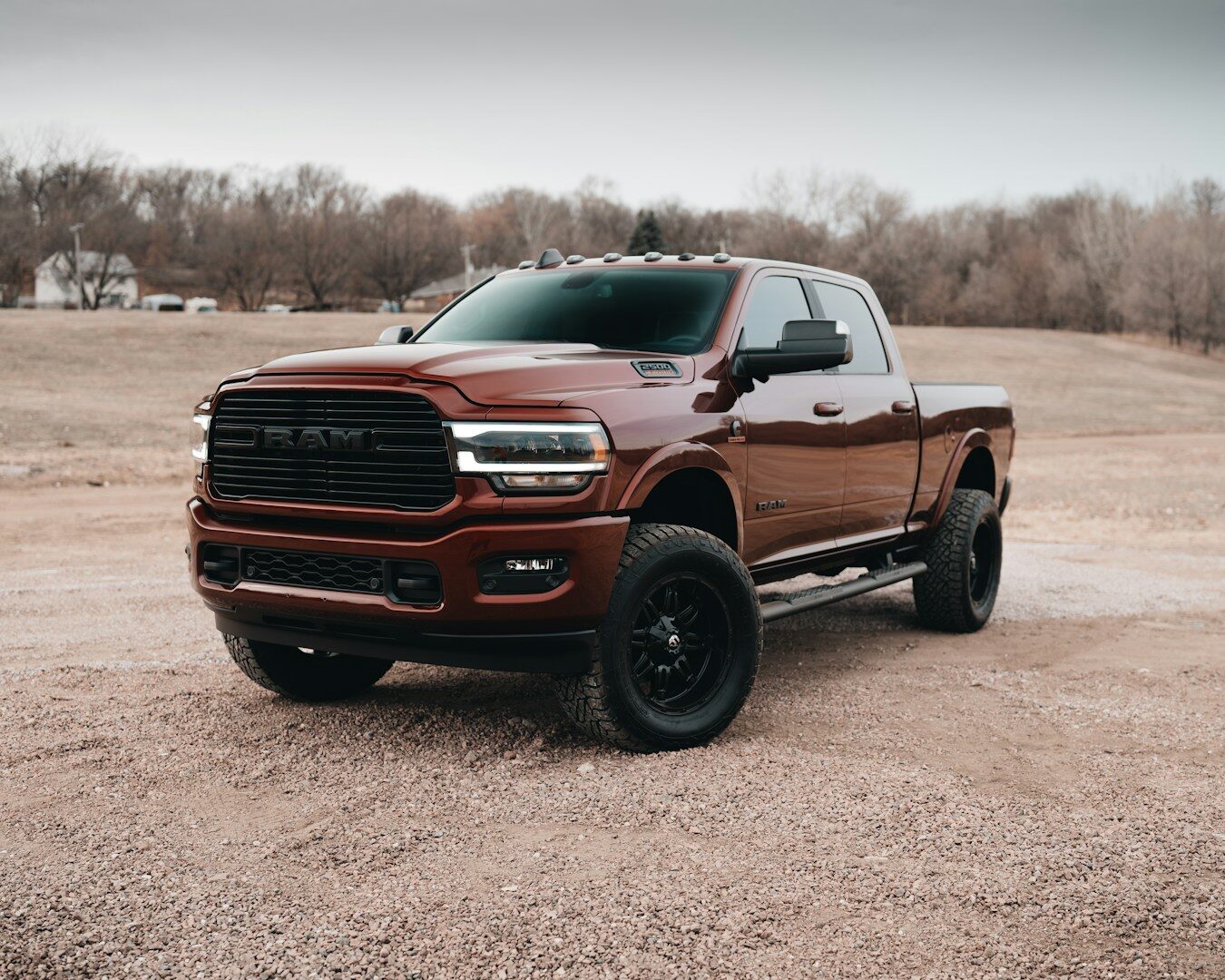
Stellantis is recalling 12,592 copies of the all-new 2026 Ram 1500 because the headlights can quietly turn themselves off. That’s a real defect, and Ram is fixing it for free. But treat the headlights as the least important part of this story. This is the fourth time since early December that an electrical system on this specific truck has failed badly enough to trigger a federal recall. The headlights aren’t the story. The wiring is.
The recall report, filed with the National Highway Traffic Safety Administration on July 1, covers 2026 Ram 1500s built between October 29 and February 16. The defect: affected trucks may experience “intermittent parking lamps and daytime running lights illumination.” Translated out of recall-speak, the lights meant to make the truck visible to everyone else on the road can flicker or shut off with zero warning to the person driving it.
That sounds minor until you understand why it’s against the law. Federal Motor Vehicle Safety Standard 108 doesn’t just require parking lamps and daytime running lights to exist. It requires them to stay steady-burning the entire time they’re switched on. To NHTSA, a light that works most of the time isn’t a slightly broken version of a working light. It’s a defective one, full stop. Other drivers judge distance, closing speed, and intent off a vehicle’s lighting behavior. A daytime running light that blinks in and out doesn’t just look glitchy. It reads as a vehicle that might not be there at all.
Stellantis says it has no reports of crashes or injuries tied to the defect. It found the problem the way most modern recalls actually start, which is not with a flood of angry phone calls. The company opened an internal investigation in April and cross-referenced supplier shipment records against vehicle build data to isolate precisely which trucks, built in a roughly sixteen-week window, got the bad part. The remedy is a replacement headlamp assembly with terminals engineered to stay properly seated, which is a polite way of saying the originals weren’t always fully connected at the factory.
Here’s what Stellantis isn’t putting in a headline. Pull up the 2026 Ram 1500’s full recall history and this headlight campaign, numbered 26V421000, sits on top of three others opened since December 1, 2025. One, filed in April, covers instrument panel displays that can fail to show gear selection or warning lights. Another, filed in February, covers trailer brake lights and turn signals that don’t illuminate, along with trailer brakes that can fail outright, a defect serious enough that it swept in 456,287 Ram and Jeep vehicles when Stellantis first disclosed it. A third, filed in December, is yet another instrument panel display failure, tied to three separate federal safety standards at once. Four recalls. Four different systems. All electrical. All on a truck that isn’t yet old enough to need its first oil change.
Individually, each of those recalls reads like routine paperwork: a NHTSA filing, a wire story, forgotten by the weekend. Stacked together, they describe something more specific: an electrical architecture that isn’t yet behaving the way it was engineered to. This generation of Ram 1500 carries more display area, more sensors, and more zonal wiring than any pickup Ram has built, anchored by the 14.5-inch center touchscreen and fully digital gauge cluster that came with the truck’s big technology refresh. Every one of those features needs its own harness, its own connectors, its own module talking to the next one over. More connection points mean more places for a terminal to be seated wrong on an assembly line. And a truck that displays your gear selection on a screen instead of showing it with a mechanical needle has no fallback when that screen goes dark.
None of this is uniquely Ram’s problem. Ford recalled more than 35,000 Explorers this year after a software bug let adaptive headlights aim light straight into oncoming drivers’ eyes, and GM’s Cadillac Vistiq needed an actual new seat module rather than a software patch, for a defect federal regulators haven’t finished writing rules around yet. The whole industry is living through the same transition at once: vehicles are turning into rolling computer networks, and a computer network is only as reliable as its weakest connector.
Stellantis has extra reason to want this pattern to stop. The company spent 2024 into 2025 absorbing harsh, public criticism over vehicle quality and dealer relations, criticism sharp enough that it cost Carlos Tavares his job as CEO. Stellantis is also still working through other Ram-specific legal fallout, including a recent brake defect lawsuit settlement that offered owners up to $3,000. A brand-new truck racking up four electrical recalls in its first model year doesn’t prove the company’s quality push has failed. It just isn’t evidence that it’s worked yet, either.
For current owners, the practical fallout is a truck likely to make more than one unplanned trip to the service department in its first year, for problems that have nothing to do with how it drives, tows, or hauls. For shoppers eyeing a redesigned or heavily updated model in its first model year of production, it’s a reminder of an old rule that hasn’t gone out of style: year one of a new generation is when a manufacturer finds out, in customers’ driveways, everything its own testing didn’t catch. The federal recall database exists for exactly this reason, and it takes less time to search than an oil change takes to schedule.
Owners of the affected trucks should get first-class mail from Ram by July 30, and the headlamp fix itself is genuinely minor, a quick assembly swap, done free, done fast. What won’t get fixed by a new part number is the pattern underneath it. The headlights are the least interesting failure this truck has had this year. They’re just the one that finally made the news.