
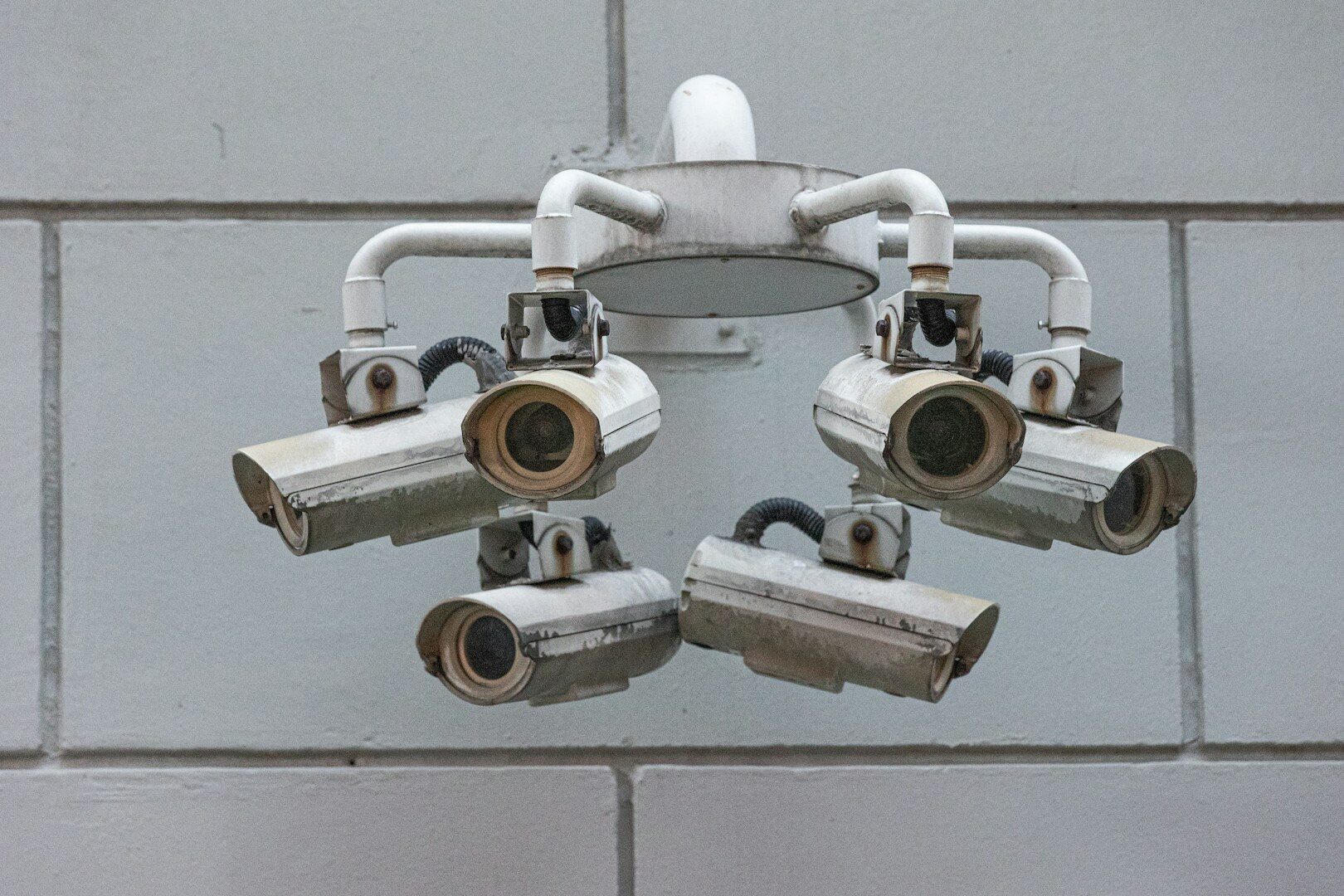
New Hampshire announced this week that its Department of Transportation is wiring artificial intelligence cameras into its state vehicles. Local coverage played it like a gadget story: smart cameras that spot crashes, log near-misses, and watch snowplows work through a storm. That’s the press release version. The real story sits one layer down, in a word the vendor building the system used before it ever got to safety: liability.
According to the companies’ own announcement, New Hampshire’s Highway Safety Patrol trucks will get dual front- and rear-facing AI cameras that analyze video on board, catching crashes as they happen and quietly logging every near-miss in between. The state’s Winter Operations fleet, plows, salt trucks, the vehicles that keep I-93 open in a nor’easter, get forward-facing cameras instead, built to document road conditions, plowing activity and storm response in real time. NHDOT is layering in core telematics across the whole fleet too: engine diagnostics, location tracking, automated maintenance alerts. The provider is Geotab, and the deployment is tied specifically to New Hampshire RSA 266, the state’s vehicle equipment law.
That last detail is worth sitting with. RSA 266 isn’t a surveillance statute. It’s the law that specifies what headlights, mirrors and turn signals make a New Hampshire vehicle street-legal. There is no state law written specifically for AI systems that watch a state employee for an entire shift, store the footage, and score their driving behavior. Instead of new legislation, this deployment is being filed under an equipment code built for a much older kind of car. Decisions about how long footage is kept, who can review it, and what happens when a plow driver disputes what the camera “saw” are being made through agency policy and vendor contract, not through anything the legislature voted on.
Read the announcement closely and the order of priorities gives the game away. Geotab says the goal is to lower maintenance costs, reduce state liability and protect workers and citizens, in that order. Liability comes before workers. That isn’t accidental phrasing; it’s the sales pitch. Geotab’s own case studies lean on it hard: Missouri’s DOT reports a 25 percent drop in fleet liability claims and a 6-to-1 return on its telematics investment after adopting the same platform, and New York City touts a 50 percent cut in head-on collisions using Geotab’s video system. Those aren’t safety-brochure numbers. They’re the kind of figures a fleet director takes into a budget hearing.
The camera isn’t there to catch bad plowing. It’s there so nobody has to argue about it in court.
Here’s the part nobody selling this technology dwells on. A camera built to defend a worker against a bogus damage claim generates footage that can just as easily be used against that same worker. That tension has already boiled over elsewhere in the industry. FOIA records obtained by Workday Magazine show transit workers in Rochester, Minnesota, being disciplined, and in one case fired, based on alerts from a different company’s AI camera system, prompting a union fight over access to the footage used against them. A city official involved conceded the monitoring “does feel intrusive.” Different vendor, different fleet, same basic mechanism New Hampshire just adopted for its plows and patrol trucks.
The Auto Wire has tracked the private-sector version of this same shift for months: insurers striking data-sharing pipelines directly with automakers, state lawmakers writing rules for telematics-based insurance pricing, and lawsuits alleging a carmaker quietly funneled driving data to an insurer without the owner’s knowledge. A state DOT fleet isn’t a personal car, and a plow driver can’t opt out of the black box the way a consumer can decline a telematics discount. But the underlying mechanism, a continuous, permanent, subpoenable record of how a person drove, is identical.
None of this makes the safety case fake. Highway workers really do die out there. Federal Highway Administration data pulled from NHTSA’s crash database counted 94 highway-construction worker occupational fatalities in 2022, down from 108 the year before, part of roughly 890 total work zone deaths that year. Struck-by incidents, a plow or a passing vehicle making contact with someone on foot, are exactly what these cameras are pitched to prevent, or at least document clearly after the fact. That’s real. It just isn’t the whole reason NHDOT signed this contract, and it isn’t why the announcement led with liability instead of workers.
New Hampshire is also nowhere close to first. Missouri’s DOT has been running this system long enough to publish case-study numbers. Tennessee’s DOT signed essentially the same deal in mid-June, six weeks before New Hampshire’s announcement. New York City, Connecticut and Arlington County, Virginia have all adopted comparable systems, and Geotab alone counts more than 3,000 public-sector customers in North America. Rival vendors, Samsara, Lytx and Netradyne, are chasing the same government contracts right now. What plays on local news as an innovative pilot program is, from the vendor’s side, a mature product line rolling through its next state government the way a phone carrier rolls through zip codes.
The AI camera is the headline. The spreadsheet behind it is the story. New Hampshire didn’t buy a safety feature so much as an insurance policy that happens to have a lens attached, and every state watching this rollout over the winter is running the exact same math.