
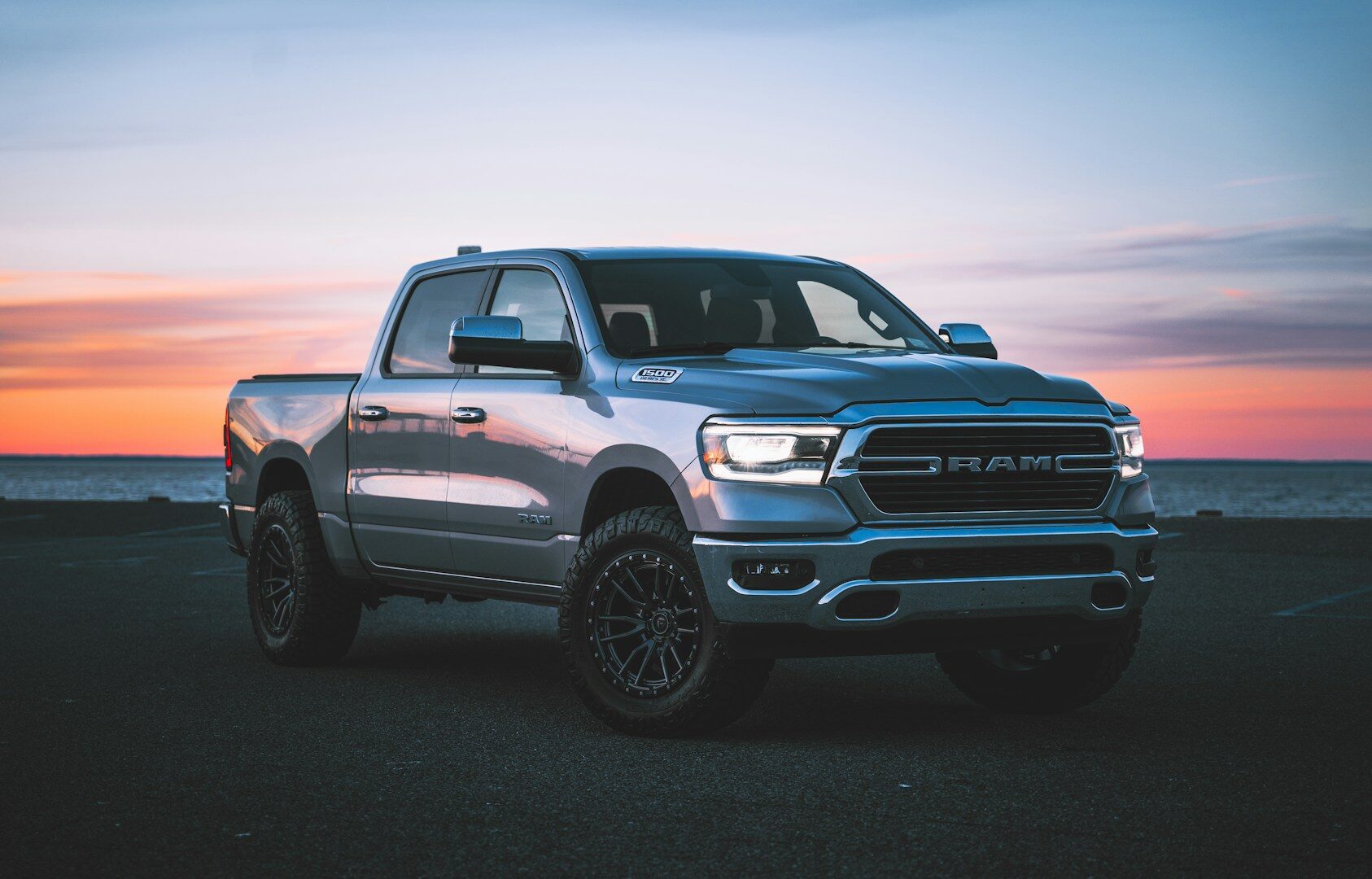
Stellantis didn’t need a technician crawling under a Ram 1500’s rear bench to figure out something was wrong with its trucks. It had already told Wall Street.
Three months before recall paperwork for a seat belt defect started landing in mailboxes, Stellantis published a financial disclosure admitting that warranty costs had ballooned by billions of dollars, tying part of the shortfall to a decline in build quality traced back to prior operational decisions. That single accounting line, buried in a February reset of the company’s finances, explains more about the 1.5 million trucks now sitting under a household safety advisory than any torque spec ever will.
This isn’t really a story about a seat belt anchor. It’s a story about a company that put a dollar figure on its quality problem before anyone found the actual loose bolt.
What Actually Happened
Stellantis is recalling roughly 1.27 million Ram 1500 pickups in the United States, and about 1.5 million worldwide once Canada and other markets are added in, spanning the 2019 through 2026 model years. Internally, the company calls it campaign 67D. The issue: second-row center and/or driver-side seat belt buckle anchors that may not have been properly secured on the assembly line. Until dealers make the fix, Stellantis’s own guidance to owners is about as blunt as a recall notice gets: don’t let anyone sit in either of those two rear seating positions.
Sit with that for a second. This is a modern pickup truck that passed every federal crash certification required to reach a dealer’s lot, and the interim fix for a chunk of the recall population is a household rule, not a repair.
Two Things Most Owners Never Think About
Here’s the detail almost nobody outside a crash lab appreciates: seat belt anchors aren’t just bolted on and eyeballed. Federal Motor Vehicle Safety Standard 210 requires every seat belt anchorage to withstand roughly 5,000 pounds of pull force, applied through a steel test block shaped like a human pelvis, without failing. That’s enough force to lift a small car through a strap barely wider than a laptop. It’s one of the least glamorous, most physically violent tests a vehicle has to pass, and it’s exactly why a fastener problem triggers a recall spanning eight model years instead of a quiet dealer bulletin.
The second surprise isn’t in a lab. It’s in a spreadsheet. In its February 2026 business reset, Stellantis disclosed roughly €22.2 billion in special charges for the second half of 2025. Of that, about €4.1 billion came from revising its warranty reserves upward, after concluding that vehicles built under the old management approach were costing more to fix than previously assumed. A safety recall is a lagging indicator, filed only once a defect is confirmed and a fix exists. A warranty reserve adjustment is often the leading one. Stellantis published its leading indicator months before this recall’s paperwork existed.
Why Now, and Why This Brand
None of this happens in a vacuum. Stellantis was formed in 2021 by merging Fiat Chrysler and PSA, and in the years since, the combined company centralized purchasing, cut costs aggressively across all fourteen of its brands, and, by its own admission, let manufacturing execution slip in the process. CEO Antonio Filosa, who ran the company’s quality organization before taking the top job in 2025, told analysts on this week’s earnings call that “our execution on quality in the past was not what it needed to be.” That’s about as close as a sitting CEO gets to publicly grading his own factories incomplete.
The response has been sized accordingly. Stellantis says it hired more than 2,000 engineers in 2025, mostly in North America, aimed squarely at manufacturing and quality processes, and claims first-month-in-service issue reports are already down more than 50 percent in North America since that hiring push began. That’s encouraging, if it holds up. It also means the trucks now getting recalled were almost entirely built before that reinforcement ever showed up on the factory floor.
This also isn’t Ram’s only rough patch. The Auto Wire has tracked the 2026 Ram 1500’s fourth wiring-related recall since December, a 456,000-vehicle towing and trailer-brake recall back in February, and a federal probe into whether an earlier fix for a rollaway defect on 1.2 million Ram trucks actually worked. Add 1.5 million trucks with an improperly secured seat belt bolt, and what might look like an isolated incident starts to look like a pattern with a paper trail. It’s also worth remembering Stellantis quietly canceled the all-electric Ram 1500 and instead brought the Hemi V8 back, a reminder that this is a company reallocating money and attention in a hurry, not one coasting on a stable plan. Stellantis even installed new brand chiefs at Jeep and Ram with no prior car-building experience, betting that business instincts, not engineering pedigree, are what the turnaround needs most.
Who Actually Pays For This
Owners get a free repair, eventually. Federal rules require Stellantis to notify registered owners within 60 days and fix the anchors at no cost, the same obligation every automaker faces. But “free” undersells the real cost. Ram dealers now face a wave of second-row bolt inspections stacked on top of routine service work, and recall labor, while billed back to the manufacturer, is exactly the kind of unglamorous shop-floor work that keeps service bays backed up for months. One previous Ram owner already learned how expensive a warranty dispute can get when a brand-new truck’s airbags deployed on the highway and the automaker denied the claim, leaving the owner with a five-figure bill.
For owners, the more immediate cost is behavioral. A truck bought to haul a family now comes with an asterisk on where the kids can sit until a dealer gets to it, which is not a small inconvenience for the buyers who use these trucks as a de facto second family vehicle.
There’s a quieter liability wrinkle too. Once an automaker issues written guidance not to use specific seats, an owner who ignores it and lets a passenger sit there anyway shifts a meaningful share of the legal and insurance exposure onto themselves if a crash happens. Insurers tend to treat a documented safety advisory the same way they treat a known-bad child seat or a bald tire: a disclosed risk, not a surprise.
What To Remember After The Headlines Fade
Automakers like to frame recalls as proof the safety net works: problem found, problem fixed, system functioning as designed. That’s true, as far as it goes. But a recall is also a report card delivered late. By the time paperwork reaches NHTSA, the company almost always already knows, in far more granular and expensive detail, exactly how deep the problem runs.
The seat belt anchors on 1.5 million Ram pickups will get fixed. Stellantis will keep hiring engineers, and warranty costs will presumably ease as newer trucks reach the road. None of that is really the story.
The story is that a car company’s balance sheet can be a better early-warning system than its own recall department, if you know where to look for the confession.