
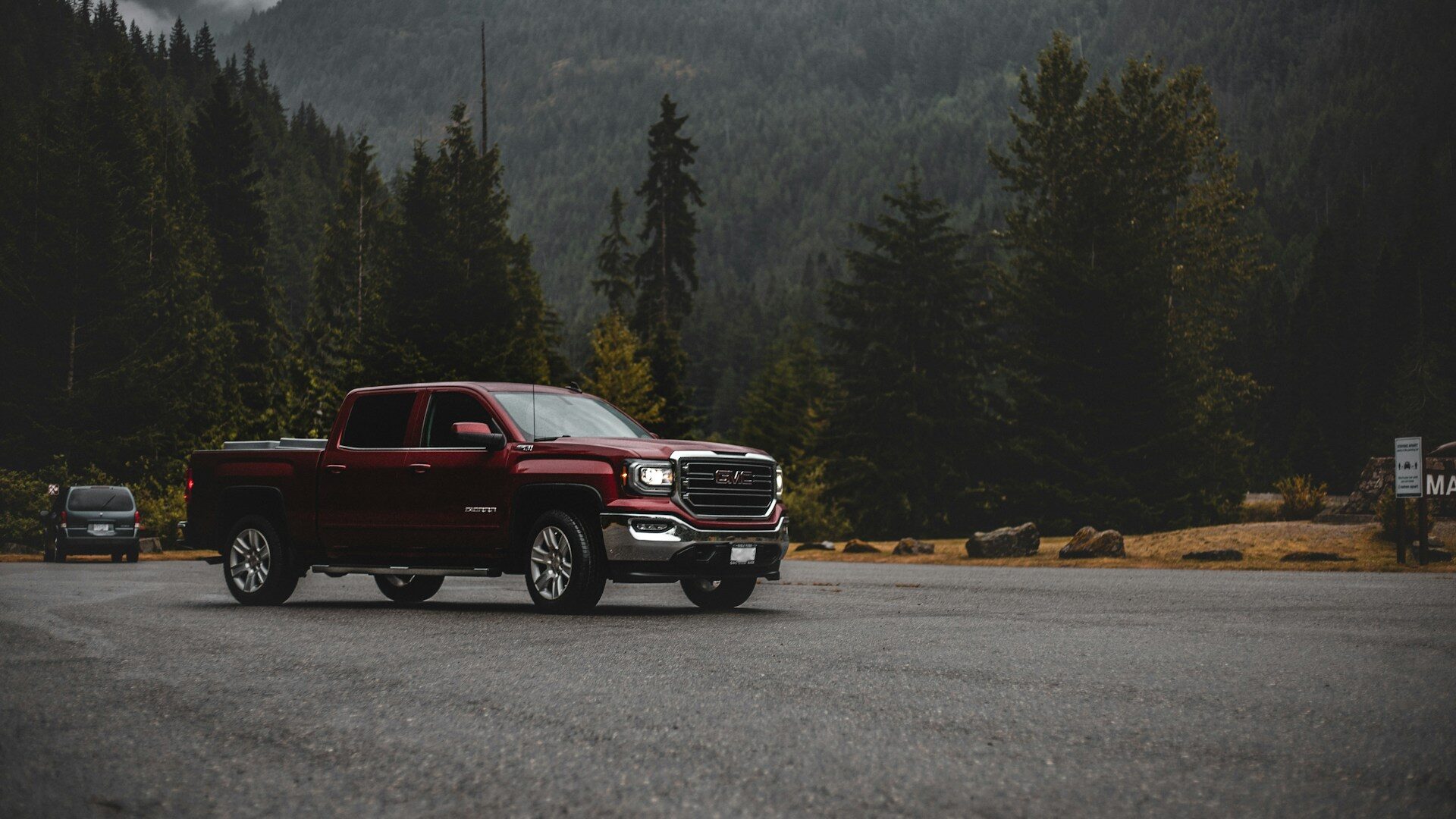
Six vehicles just posted a perfect record in the most sobering scorecard in the auto industry: the Insurance Institute for Highway Safety’s driver death rate study. Zero deaths per million registered vehicle years. Not one dead driver behind the wheel of an Audi Q7, a BMW X7, a Chevrolet Tahoe, a Mercedes-Benz GLB, a Mercedes-Benz GLE, or a Toyota Tundra CrewMax.
That’s the headline everyone is running with. It’s also not the interesting part.
Buried deeper in the same report is a second ranking nobody is putting in a headline: which vehicles are most likely to kill the person in the other car. Set that list next to the “safest” one, and something uncomfortable shows up. Almost none of the vehicles that protect their own occupants best are the ones that go easiest on everybody else.
This isn’t really a story about the safest cars in America. It’s a story about an arms race, and about a report card that only shows half the grade.
The Study, Minus the Marketing
IIHS has been running this exercise since 1989, roughly every three years, using a metric it calls deaths per million registered vehicle years. Register one car for one year and that’s one vehicle year. Register it for three years, or register three cars for one year each, and either way you get three. It’s a way of comparing millions of vehicles that get driven wildly different amounts.
The latest numbers cover deaths from 2021 through 2024, tied to 2023 model-year vehicles and older versions that share the same basic design. To even qualify for a ranking, a model needed at least 100,000 registered vehicle years of exposure or 20 recorded deaths. That threshold matters more than it sounds like it should.
Zero Doesn’t Mean Bulletproof
A death rate of zero looks like an engineering triumph. Read the methodology and it’s really a statement about sample size. These six vehicles didn’t get put through some new gauntlet the Kia Rio failed. They simply had zero fatalities recorded among their registered owners during a four-year window. Zero is a real number. It’s also the outcome you’d expect, at least some of the time, from a heavy platform, a high beltline, and a driver demographic that skews older and more affluent, a group IIHS itself notes tends to drive differently than the buyer of a Rio.
None of that means these vehicles aren’t safe. Mass, structure, and modern crash-avoidance tech genuinely help. It means zero is a data point, not a guarantee, and the six names on this list will not stay at zero forever.
The List Nobody’s Sharing
Here’s the part that didn’t make the press release rounds. Two studies ago, IIHS started calculating something new: the “other-driver death rate,” meaning how many people die in the vehicle that gets hit, not the one being studied. This year’s report is only the second time that metric exists, and it flips the entire framing of “safest vehicle in America.”
Topping that list is the Ram 3500 crew cab long bed 4WD, at 204 other-driver deaths per million registered vehicle years. For context, that’s higher than the driver death rate of the Kia Rio, the single worst-performing vehicle for its own occupants in the entire study. The truck built to be the safest way to haul a horse trailer is, statistically, the most dangerous vehicle on the road to be sharing a lane with.
Ten of the top 20 vehicles on the other-driver list are large or very large pickups. Sedans that rank high on their own occupant death rate, like the two-wheel-drive Dodge Charger and Charger HEMI, rank high on this list too. Bad for the driver, bad for whoever they hit.
One Truck, Two Report Cards
Cross-reference the two “best” lists, the one for occupant deaths and the one for other-driver deaths, and the overlap nearly disappears. Only six vehicles rank near the top of both, and they’re almost all a different set of names than the “zero death” group getting quoted everywhere: the BMW X5 4WD, BMW X7 4WD, Porsche Cayenne 4WD, Volkswagen Atlas 4WD, Volvo XC60 4WD, and Volvo XC90 4WD. Only the X7 makes both the “zero” list and the “considerate to others” list.
In other words, most of the vehicles getting celebrated this week for a spotless occupant record didn’t necessarily earn a passing grade on the half of the test that measures what they do to everyone else’s chances.
Why the Physics Never Change
None of this is a secret to engineers. Size and mass win crashes, and they’ve won every crash since Newton. What’s changed is the incentive structure around building bigger vehicles. Federal fuel economy rules have been calculated by vehicle footprint since 2011, meaning a larger vehicle is assigned an easier mileage target than a smaller one. Combine that with the fatter margins automakers earn on trucks and three-row SUVs compared with compact cars, and the market has been quietly nudged, for over a decade, to keep building the vehicles that win this fight.
The United States also still has no federal standard governing how aggressive a vehicle’s front end is allowed to be toward whatever it hits, unlike Europe, which regulates hood and bumper geometry specifically to reduce harm to pedestrians and smaller vehicles. IIHS’s own crash-test ratings can’t fill that gap either. Its frontal barrier test measures a vehicle slamming into a fixed wall, so the forces involved are a function of that vehicle’s own weight. Great for comparing two midsize sedans. Useless for telling you what a Tahoe does to whatever it hits.
What Actually Matters Here
Every buyer shopping for “the safest car” is really shopping for the safest car for themselves. That instinct is completely rational, and it’s exactly why the market keeps producing bigger, heavier vehicles: each individual purchase looks like a smart, protective decision, even though the aggregate effect is a heavier fleet that raises the risk for everyone still driving something smaller. Auto Wire has tracked this same dynamic before, from IIHS data showing taller SUV front ends are measurably more dangerous for cyclists, to Consumer Reports flagging how thin the safety margin gets once a teen driver’s car drops below a certain weight class.
It also carries a quieter cost most buyers never think about. Liability insurance exists precisely to cover the damage your car does to somebody else’s, and a vehicle with a documented history of high other-driver death rates is a different underwriting risk than one with a documented history of low ones, whatever its badge says about occupant protection. None of the luxury nameplates dominating this year’s Top Safety Pick+ list get to skip that conversation just because a crash test came back clean.
The takeaway isn’t that the Tahoe, the Tundra, or the Q7 are dangerous vehicles. It’s that “zero deaths” was always only describing one side of the collision. A crash rating tells you how well a car protects the people who bought it. It was never designed to tell you what that same car does to the people who didn’t.