
Here is everything The Auto Wire published on Saturday, September 12, 2026 — a counterfeit airbag crisis that VIN checks cannot catch, the EPA quietly deleting its Scope 3 guidance, BMW walking away from carbon fiber, and GM making more money in China while selling fewer cars. All of it in one place, with links back to the full stories.
EPA Pulls Scope 3 Emissions Guidance: What It Means for Automakers and Car Buyers
The EPA quietly stripped its Scope 3 emissions guidance off its website with no announcement, removing the federal playbook companies used to measure indirect emissions across their value chains. That hits automakers harder than almost anyone, because Scope 3 accounts for more than 90% of their total emissions, with tailpipe use dominating the number. California is not waiting: SB 253 still forces major automakers and suppliers to report Scope 3 under GHG Protocol standards beginning in 2027.
Your Recall Check Came Back Clean. Your Airbag Might Still Be Fake.
NHTSA has now tied 11 deaths to counterfeit DTN60DB inflators that rupture instead of deploying, and the latest case is the first outside the Chevrolet Malibu and Hyundai Sonata — a 2018 Chevrolet Equinox. These parts never came from the factory; they get installed during post-collision repairs at independent shops, which is exactly why a clean VIN lookup tells you nothing. The agency is treating it as a smuggling problem with Homeland Security involved, not a conventional recall.
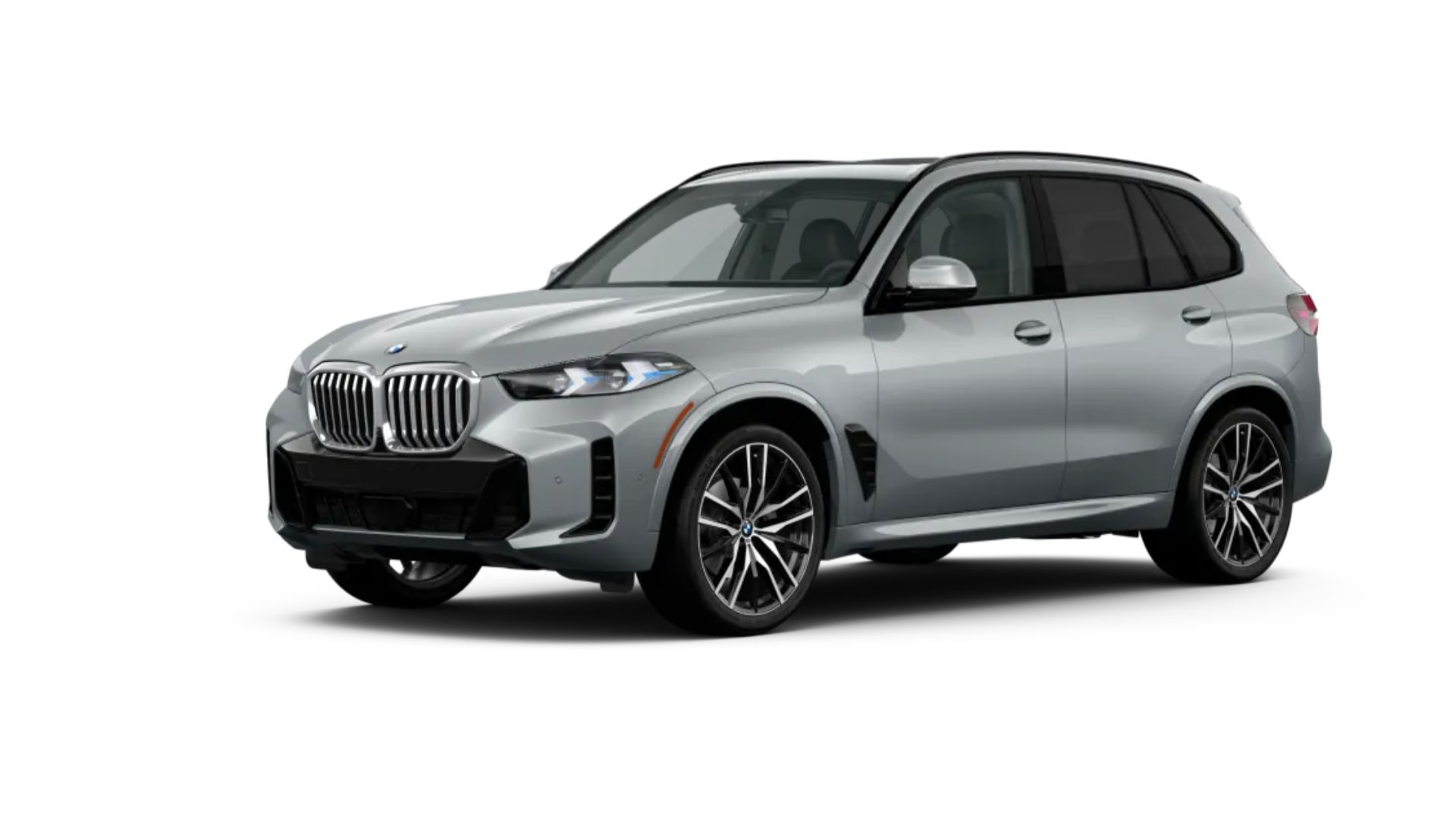
Recycled Carbon Fiber Is Forecast to Nearly Double by 2033 — BMW Just Cut It From the Car That Made It Famous
A new ResearchAndMarkets forecast puts the global recycled carbon fiber market at roughly $34.1 billion in 2026, growing to $61.5 billion by 2033. Meanwhile the new BMW i3 — successor to the car that put structural carbon fiber in a mass-market EV — drops the material entirely for recycled aluminum (up to 80% recycled content in some components) and steel. The reason is unglamorous: recycled carbon fiber comes back as short, weak fiber fit only for non-structural trim, while steel and aluminum keep their properties and are far easier to fix in a body shop.

GM Sold Fewer Cars in China This Year. Its China Profits Nearly Tripled.
GM’s Chinese joint ventures moved 865,000 vehicles in the first half of 2026, down 11% from 975,000 a year earlier — and net income still jumped from $197 million to $591 million. The gap is strategy, not luck: GM stopped chasing China’s EV price war and leaned into higher-margin Buick and Cadillac metal. It also swallowed a $364 million impairment charge tied to realigning that EV strategy.
That is every news and feature story The Auto Wire published on September 12, 2026. Garage Deals roundups were left out of this recap.
Related Articles
- Today at The Auto Wire: Full Recap (September 13, 2026)
- Today at The Auto Wire: Full Recap (September 13, 2026)
Top photo: Hans on Unsplash.