
Punch a VIN from a 2018 Chevrolet Equinox, a Chevrolet Malibu, or a Hyundai Sonata into NHTSA’s recall lookup tool right now, and it can come back completely clean. Zero open recalls. For most of the past fifty years, that clean result has been about the closest thing to a safety guarantee a used-car buyer could get. It still isn’t a bad sign, exactly. It just isn’t the whole story anymore, and the reason says more about the used-car and collision-repair economy than about any single automaker’s engineering.
On September 3, NHTSA disclosed an eleventh death tied to a counterfeit-marked frontal airbag inflator stamped DTN60DB. The new fatality happened in a 2018 Equinox in Dallas on August 27, the first confirmed case outside the Malibu and Sonata, the only two models where all ten previous deaths and three serious injuries had occurred.
What these parts do instead of their job is the detail that should stop every driver cold. A frontal airbag inflator is supposed to release gas fast enough to cushion a driver in the tens of milliseconds after a crash begins. NHTSA says the DTN60DB units instead rupture, throwing metal fragments into the chest, neck, eyes and face of the person the airbag exists to protect. The regulator has described the underlying crashes, again and again, as “otherwise survivable.” Two words that carry the whole tragedy: these were people who were very likely going to walk away, until the equipment built to save them became the thing that killed them.
A Ban, Not a Recall, and the Difference Matters
Back in April, the Department of Transportation banned the sale and import of DTN60DB inflators outright, the agency’s first vehicle-equipment ban in more than two decades. That word choice is deliberate. A recall targets vehicles a manufacturer built with a specific part installed at the factory. A ban targets a part itself, wherever it turns up, because this part was never on any automaker’s approved parts list in the first place.
That distinction is the real story here, and it’s a bigger problem than three model names suggest. Because the inflators were smuggled into the country rather than installed on an assembly line, regulators genuinely do not know how many exist in the U.S. vehicle fleet right now. NHTSA has also gone out of its way to say the risk may not be confined to the Malibu, Sonata and Equinox at all. Read plainly, that’s an admission that this was never really a Chevrolet problem or a Hyundai problem. It’s a what-happened-to-your-car-after-it-left-the-factory problem, and in theory it can reach any make sold in America.
The Part Doesn’t Get Installed at the Factory. It Gets Installed at the Body Shop.
A frontal airbag inflator is single-use. Once it fires, it must be replaced, and that replacement almost never happens on an assembly line. It happens during a collision repair, months or years after a car has already been titled and sold at least once. NHTSA’s own consumer guidance zeroes in on exactly that moment, urging owners to worry if their vehicle suffered a front airbag deployment since 2020 and the repair wasn’t handled by a manufacturer’s own dealership. That’s an unusual thing to see a federal safety regulator commit to writing. It amounts to a warning that the danger here didn’t originate in Detroit or Seoul. It originated in the far less supervised pipeline that repairs cars after their first bad day.
Here’s why that pipeline is vulnerable to exactly this kind of fraud. A genuine airbag module and inflator is one of the pricier parts on a repair estimate, and airbag deployment is precisely the kind of damage that can push total repair costs close to, or past, an insurer’s total-loss threshold. Vehicles that get totaled routinely end up at salvage auctions and get rebuilt outside a manufacturer’s certified repair network, where sourcing is looser and far harder for anyone, regulators or buyers, to trace after the fact. A shop or reseller racing to get a wrecked car back on the road as cheaply as possible has an obvious financial incentive to buy restraint-system parts wherever they’re cheapest. Counterfeiters, it turns out, found exactly that opening.
Federal filings trace the inflators to a Chinese company that goes by the initials DTN. DTN disputes ever supplying these specific parts for the U.S. market, arguing that what’s turning up in American driveways may be unauthorized counterfeits carrying its markings without its knowledge. NHTSA’s answer to that dispute is the most telling line in this entire case: it doesn’t matter to the agency whether a given part is a genuine DTN product or an unlicensed knockoff. Either way, the finding of a lethal defect stands. Washington isn’t especially interested in who manufactured these inflators. It’s interested in the fact that they explode.
Why Homeland Security Is Involved in an Airbag Problem
Because there’s no factory paper trail and no master VIN list to consult, NHTSA can’t solve this the way it solves an ordinary recall. Its actual guidance to owners who discover one of these inflators is to contact a local Homeland Security Investigations office or FBI field office, or file a complaint with the National Intellectual Property Rights Coordination Center. A car-safety regulator routing the public to federal law enforcement instead of a dealership service bay says a great deal about how it has classified this problem. This isn’t being treated like a manufacturing tolerance that slipped past quality control. It’s being treated like smuggling.
There’s a historical parallel worth drawing here, and it cuts the opposite direction from what you’d expect. The airbag-inflator crisis most owners already know by name is Takata’s, which involved ammonium-nitrate propellant installed as original factory equipment across dozens of models from nearly every major automaker. Investigators could eventually trace that disaster down to individual VINs because every one of those inflators had a documented birth certificate on an assembly line somewhere. The DTN60DB problem is close to the mirror image of that story. The cars themselves rolled off the line correctly. The danger arrived later, one repair order at a time, through a parts channel that no VIN lookup tool was ever built to audit.
What This Means If You Own, or Are Shopping for, a Used Car
If you own a Malibu, Sonata or Equinox from this era, and it has ever had a front airbag deployment since 2020 that was repaired somewhere other than a manufacturer’s dealership, a clean recall search should not be where your diligence ends. Pull a vehicle history report, ask the repair shop for parts invoices, and when in doubt, have a dealership technician confirm the inflator is genuine before anyone rides behind that wheel again. The same caution extends, a bit more broadly, to used-car shoppers in general: a suspiciously clean-titled car with a documented airbag deployment somewhere in its past deserves more scrutiny than a recall tool alone will ever give it, regardless of make or badge.
The pattern worth remembering once this particular headline fades is bigger than eleven deaths and three car names. NHTSA’s entire enforcement toolkit, recalls, VIN lookups, manufacturer notification letters, was built to police what happens on a factory floor. It was never built to police a loosely supervised, increasingly global aftermarket for collision-repair parts, and that market keeps growing as repair bills climb and more damaged vehicles get pushed toward salvage instead of dealership repair. A recall can only tell you what your car left the factory wearing. It has no way of telling you what came back from the body shop instead.
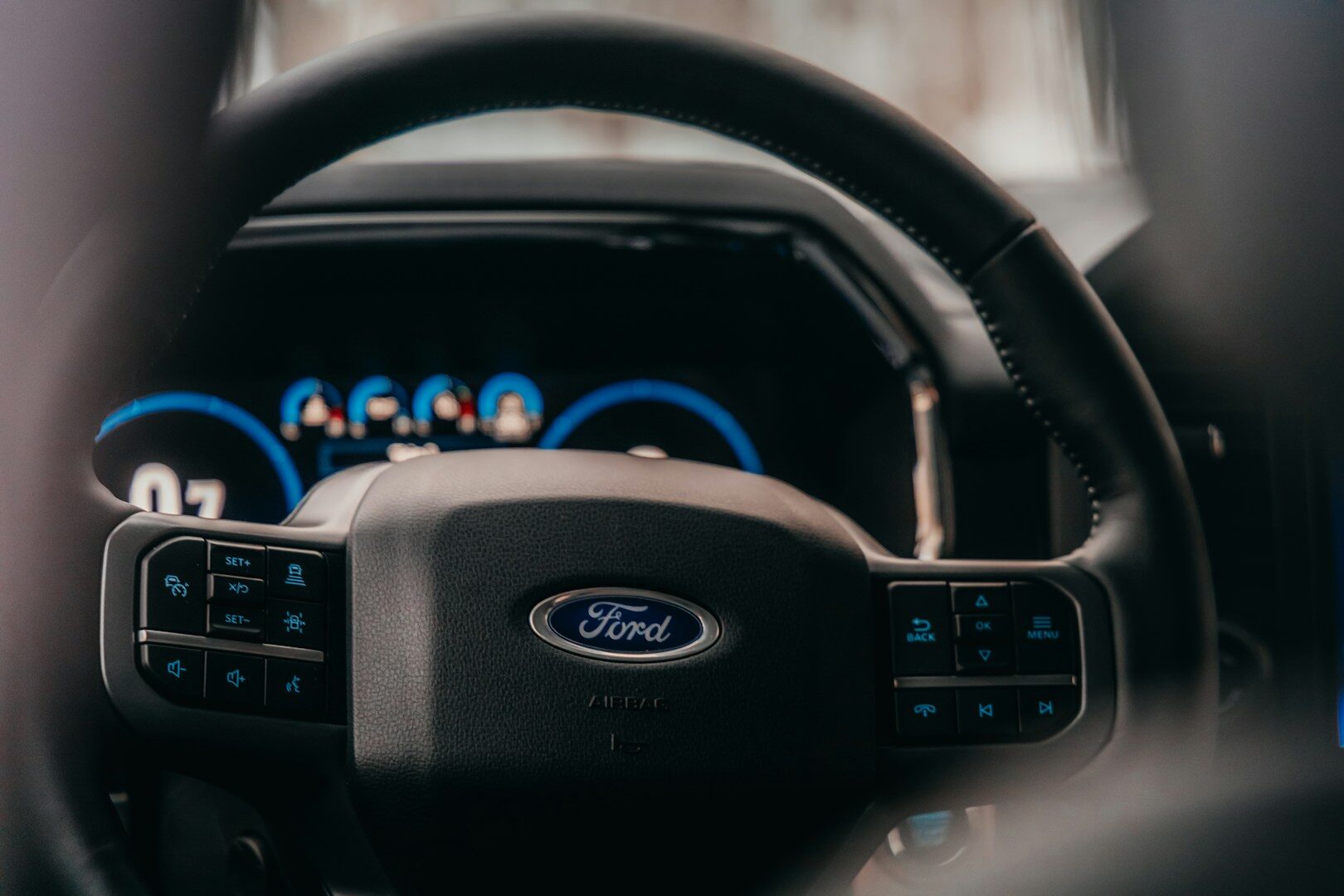
Top photo: Hans on Unsplash.