
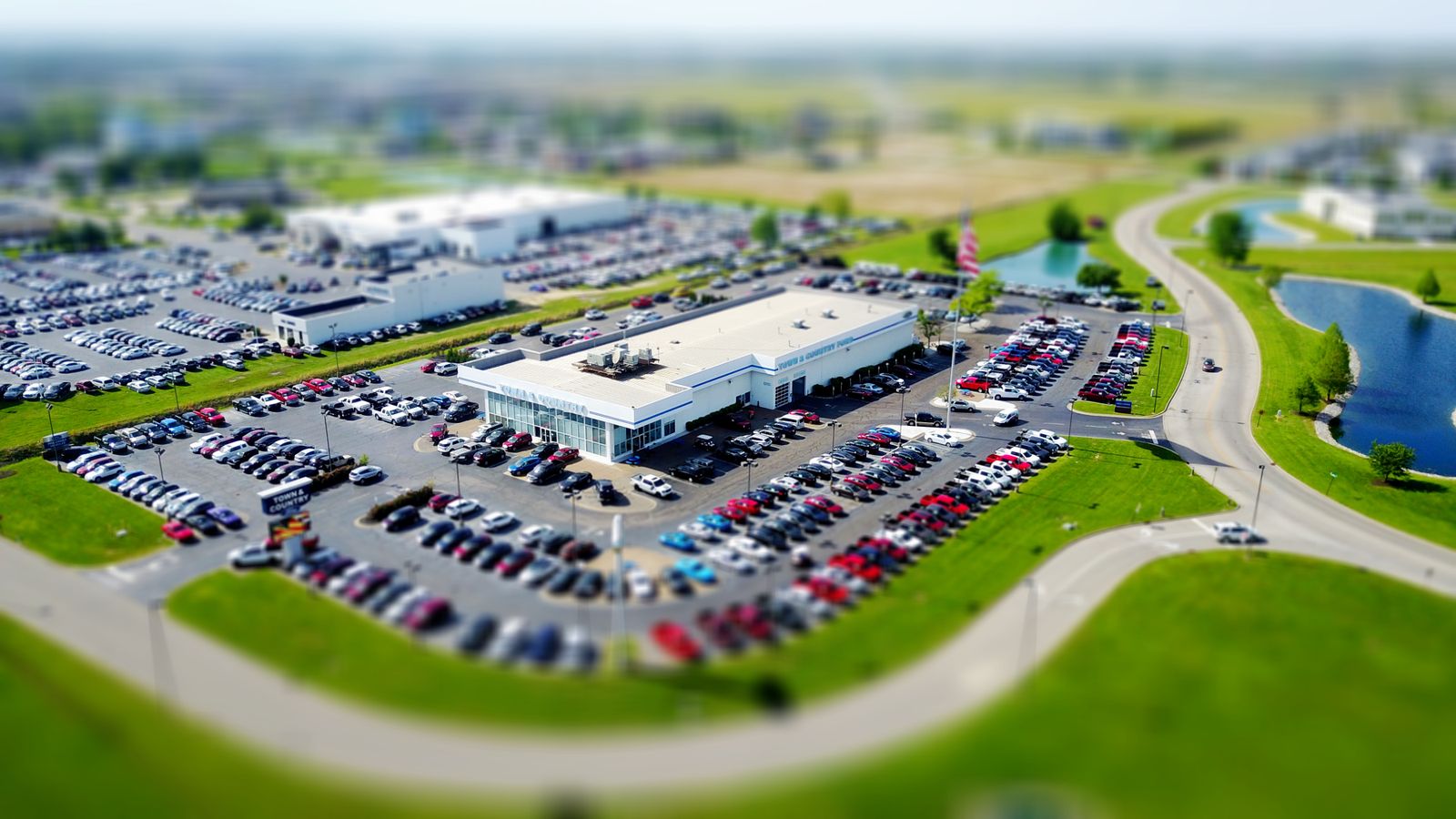
Drive past a dealership and it’s natural to assume the name on the sign owns everything below it — the showroom, the service bays, the acres of asphalt holding this week’s inventory. For a large and growing share of America’s franchised dealerships, that assumption is wrong. The ground belongs to somebody else, and increasingly that somebody is a Wall Street investment firm most car buyers have never heard of.
That’s the real subtext of an announcement this week from Capital Automotive L.P., a McLean, Virginia company known in the industry simply as CARS. On September 15, CARS said it had completed the purchase of its joint-venture partner’s 90.01% stake in the MTI Portfolio, a collection of 49 dealership properties spanning 20 states and roughly 2.3 million square feet of showroom and service space. The move restores full ownership of a portfolio CARS had partially sold off six years earlier, and it hands complete control of the assets back to a company that Ares Management, a global alternative-investment manager with more than $671 billion under management, purchased outright in 2022.
The mechanism behind this deal is one every dealer principal knows intimately and most customers have never considered: the sale-leaseback. Capital Automotive has spent nearly three decades buying the land and buildings under franchised dealerships, then leasing them back to the same dealers on long-term, triple-net terms. In a triple-net lease, the tenant — the dealer — still pays the property taxes, insurance, and maintenance, while the landlord collects rent and holds the deed. Dealers use the cash from these sales to fund acquisitions, new construction, facility upgrades required by manufacturers, and, notably, estate planning when a dealership passes between generations or business partners cash out.
Here’s the detail worth sitting with: this financing structure is not a niche curiosity. Capital Automotive has been doing it since 1998, and its footprint now touches dealership real estate carrying import and luxury franchise brands across the Southeast, Midwest, and Mid-Atlantic. A dealer group can look, from the showroom floor, exactly like a family business. The land under it can just as easily belong to a fund whose other holdings include credit portfolios, infrastructure debt, and private equity stakes spanning multiple continents.
The second detail is the timeline. CARS sold down its stake in this same portfolio in 2020, in the thick of pandemic-era uncertainty, when plenty of commercial real estate owners were trimming exposure and shoring up liquidity. Buying that stake back in full six years later, once dealer profits and property values had both proven durable through the disruption, tells you something about how institutional capital now views dealership real estate: not as a side asset tied to a cyclical business, but as a dependable income stream worth owning outright again. Notably, the company said dealer tenants “should expect no change in day-to-day operations” — a reminder that these ownership shuffles happen almost entirely above the dealer’s head.
This deal arrives alongside a broader pattern The Auto Wire has been tracking all year: the question of who actually controls a franchised dealership is getting more complicated, not less. In Kentucky, a federal court is untangling a fight over who has the right to sell a stake in a Ford store without the manufacturer’s approval. In Britain, a 65-year-old family dealership recently disappeared into a larger consolidator’s portfolio. Layer a real estate holding company into that picture, and the traditional image of the dealer as sole master of their own building starts to look outdated. The name on the franchise agreement, the rules set by the manufacturer, and now the terms set by the landlord are three separate forces pulling on the same store.
The arrangement works well for both sides when the business is healthy. Dealers get liquidity without giving up operational control of their stores, and landlords like Capital Automotive get a stable, recession-resistant income stream backed by properties that are, by design, “operationally essential” — a dealer cannot simply relocate a service department overnight. The risk shows up when the cycle turns. A dealer who sold the land under their store now carries a fixed rent obligation that survives a slow sales year in a way a mortgage payment on owned property, with equity to borrow against or sell into, does not.
None of this changes what happens on the sales floor tomorrow. It changes who ultimately profits from the real estate under nearly every stop on your local dealer row, and how much say a dealer actually has if the landlord’s strategy shifts. The name on the sign tells you who sells the cars. Increasingly, the name on the deed is the one that tells you who really owns the business.
Does it matter to you who actually owns the land under your local dealership? Let us know in the comments.