
A 3-year-old girl was alone in an SUV on the morning of Thursday, Nov. 5, when it rolled down a hill at an apartment complex in St. Peters, Missouri, and into a pond. Melissa Doss of the St. Peters Police Department told KSDK that investigators believe the girl put the vehicle in gear while her mother was outside it, according to a report published the same day. Police said the incident appears to have been an accident, and the department’s traffic unit is still investigating.
The mother gave local reporters a different starting point. She told KMOV the engine was off, that she does not know what made the SUV move, and that the vehicle had been parked for minutes before it rolled. She had walked another child to a school bus stop, and said she was waving goodbye when the children began shouting about the car, according to KMOV’s coverage. The make, model and model year of the SUV have not appeared in anything police or the stations have published. That gap decides most of what can be said about how a toddler got a vehicle moving.
What bystanders did in the water
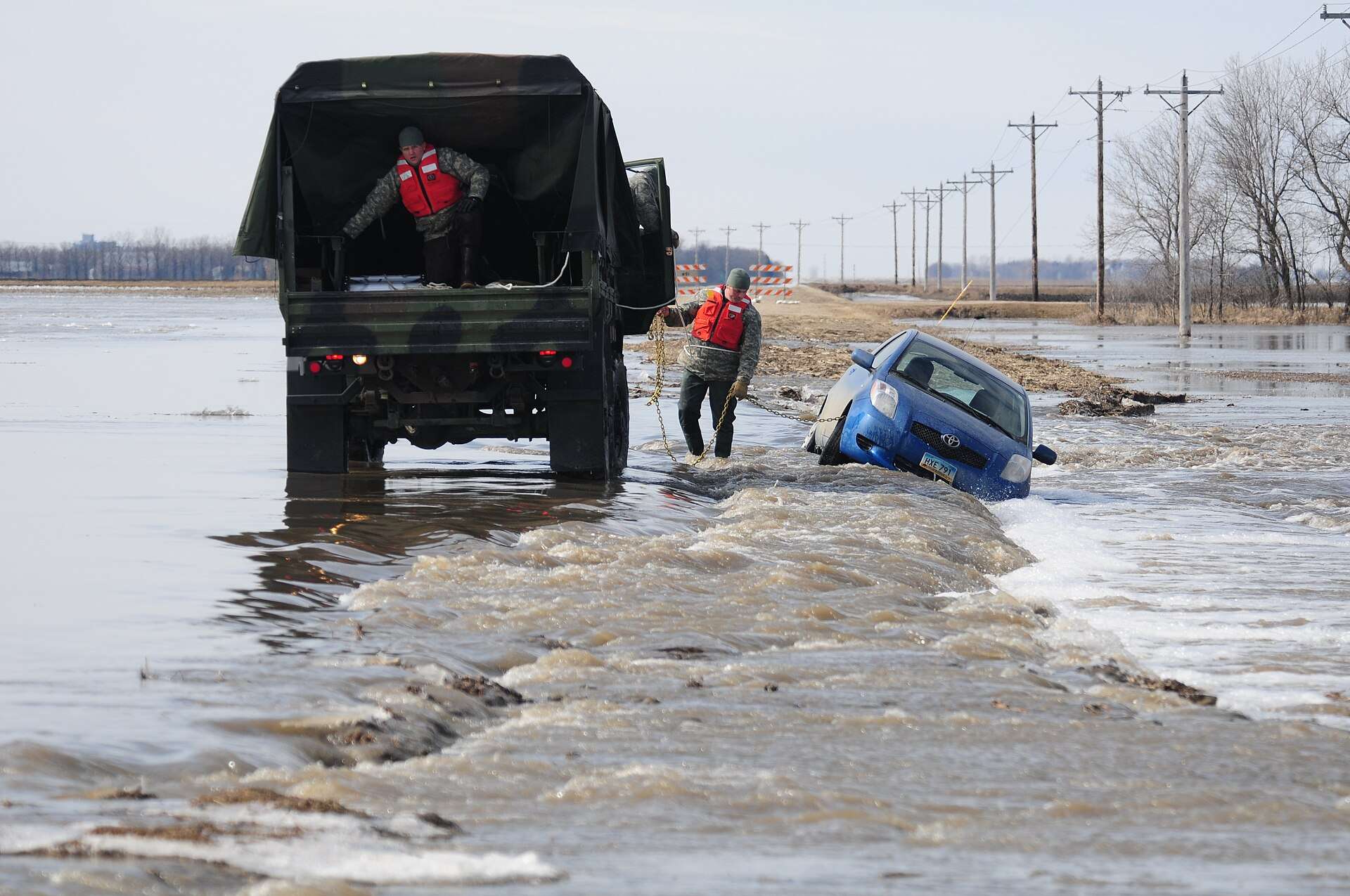
A father who had been dropping his own children at the bus stop told KMOV he called 911 and jumped in. “I was honestly holding onto the vehicle to stay afloat,” he said in the Gray News/KMOV report, adding that he did not know how deep the pond was. Someone handed him a hammer, he said, and he used it on a window, then cleared away glass with his hand before reaching the girl. KSDK reported that a neighbor smashed the rear window and a second man pulled her out as the SUV filled with water.
Police said the girl was not injured and was taken to a hospital to be checked. Her mother hurt a foot. Several rescuers were hurt too: the father described cutting his hand, and KMOV reported that one man broke an ankle. The mother and the man with the hammer have both called for a barrier around the pond, according to KMOV. A GoFundMe has been set up to help replace the SUV.
What the federal standard says about a car that moves
The rule that governs this situation is Federal Motor Vehicle Safety Standard 114. As written in the federal regulations, a vehicle with a Park position must not let the key come out unless the transmission is locked in Park (section S5.2.1), and the gear selector must not leave Park unless the key is in the starting system (S5.2.2). Section S5.3 adds an interlock that requires the service brake to be pressed before the transmission can be shifted out of Park. A police theory that a child put the SUV in gear therefore raises a question the investigation has to answer: which of those protections did this vehicle have, and what state was it in when the mother stepped out?
The standard was built around a physical key. NHTSA proposed changes for keyless-ignition vehicles in a December 2011 notice of proposed rulemaking (docket NHTSA-2011-0174). It suggested alerts, including an 85-decibel warning outside the vehicle if a door opens while the selector is not in Park and the key fob is gone. It said it had considered requiring the vehicle to stay out of shutdown unless in Park but tentatively chose alerts. NHTSA also said at the time that it had found six owner complaints of actual rollaway, that the complaints were self-reported, and that they were not a basis for national estimates.
That rulemaking has not been finished. In its Spring 2024 regulatory agenda, the latest I could find, NHTSA listed it at the proposed-rule stage, noted that a statutory deadline of Nov. 15, 2023 had passed, and described a supplemental proposal to require automatic shutoff on keyless-ignition gasoline vehicles, projected for May 2025. The agenda ties that effort to section 24205 of the Bipartisan Infrastructure Law. The agenda entry shows no final action. The first proposal is now almost fifteen years old.
Ford settled a Texas family’s lawsuit this fall over an F-250 that the family says moved on its own in Park, and a Koenigsegg CC850 that rolled away on a slope led to a parking brake fix for all seven U.S. cars. Different price tags, same failure: a parked vehicle that moved with nobody in the driver’s seat.
A hammer worked on that window. It does not always.
Whether a bystander can get a child out of a sinking vehicle depends partly on the side glass. Tempered glass shatters into granules when struck. Laminated glass has a plastic layer that holds it together even when cracked. AAA’s July 2019 escape tool evaluation tested six tools, three spring-loaded and three hammer-style. Four broke tempered side windows. None broke laminated glass. AAA said about one in three 2018 models had laminated side windows, and advised drivers to check the label in the corner of each side window to learn the glass type.
A paper presented at the 28th Enhanced Safety of Vehicles conference, a review of existing data whose authors disclose ties to a window-opening technology company, reports that a flooded vehicle floats for about a minute and that power windows can still be lowered until water reaches roughly a quarter of the way up the glass. It cites a 5.3 percent fatality rate among submersion incidents in federal crash data from 2016 through 2023. The paper also notes that Euro NCAP’s 2026 protocol requires power windows to keep working for two minutes after water enters. Reports on the St. Peters rescue do not say what kind of glass the SUV had.
What happens next
Police have not announced charges, and the coverage reviewed for this story did not report any. The traffic unit’s findings on how the SUV moved, and what kind of vehicle it was, will determine whether this is a story about one parked car or about a design gap that federal rules have discussed since 2011.
Should federal rules force carmakers to lock any vehicle in Park the moment a driver’s door opens, or is keeping a car from rolling a driver’s job and not a regulator’s?