
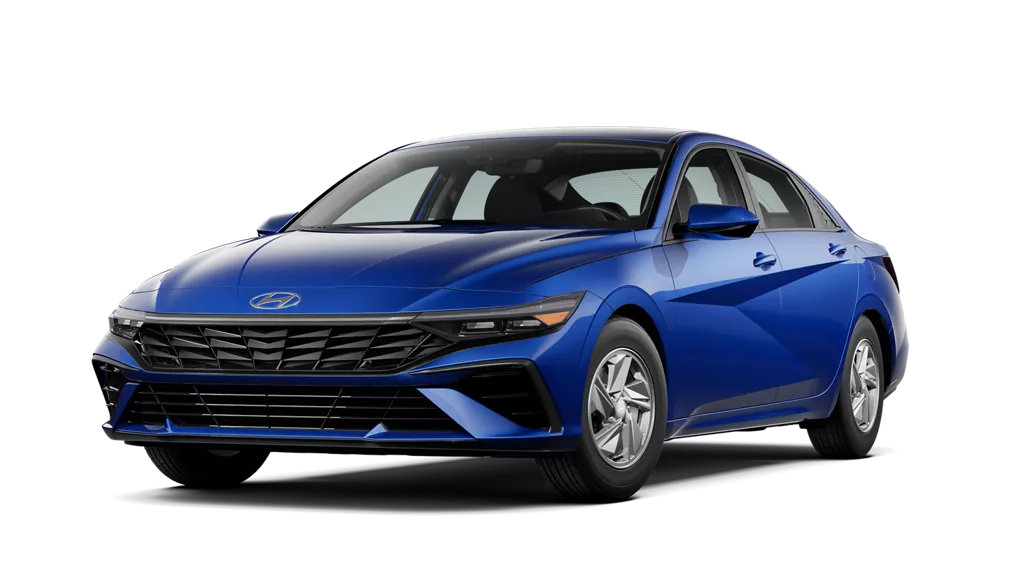
Patrick Leonard of Las Vegas sued Hyundai in Clark County on Nov. 4, and his Hyundai anti-theft lawsuit blames a 2018 Elantra’s weak anti-theft system for the crash that killed his wife, Andrea Leonard, 50, on Nov. 7, 2024, according to the Las Vegas Review-Journal. The complaint, filed by Cloward Trial Lawyers, alleges wrongful death, products liability and negligence.
Las Vegas police said a 14-year-old driving a stolen car ran a red light at Buffalo Drive and Desert Inn Road at about 5:40 a.m. that Thursday. Leonard’s wife was taken to UMC and died there, News 3 reported, citing the Clark County Coroner’s Office. A police lieutenant told the Review-Journal at the scene that investigators saw no signs of impairment at that point.
The teenager’s criminal case is moving on a separate track. The Review-Journal reported that the 14-year-old pleaded guilty to reckless driving last month, with sentencing set for Jan. 19. Hyundai’s statement to the paper about the lawsuit pointed to social media trends. The Auto Wire has not seen the complaint itself, so the claims here are described as the Review-Journal reported them.
The federal anti-theft rule never mentions immobilizers
The Review-Journal described roughly 4 million base-trim Hyundais as vulnerable even though they meet federal anti-theft rules. The rule is Federal Motor Vehicle Safety Standard 114, which says its purpose is to decrease the likelihood that a vehicle is stolen, or accidentally set in motion. Section S5.1.1 requires that, with the key removed, the starting system prevent normal activation of the engine and prevent either steering or forward self-mobility. The standard defines a key as a physical device or an electronic code. The word immobilizer does not appear in it.
A car with a keyed ignition and a steering lock can pass that test and still be driven off by someone who defeats the ignition. Leonard’s claims ask a Clark County judge and jury whether a car can clear the federal floor and still be defectively designed or negligently sold. The standard itself does not answer that.
What Hyundai’s own paperwork says about the 2018 Elantra
A Hyundai dealer bulletin dated Feb. 13, 2023, and filed with NHTSA, lists 2017 to 2020 Elantras without an immobilizer and push-button start as eligible for an anti-theft software upgrade, and puts the 2018 model in the first phase of the rollout. The update changes the alarm and start logic so the owner has to lock the car with the fob to arm it, and disarm it with the fob before it will start. It also adds window decals.
The Insurance Institute for Highway Safety’s Highway Loss Data Institute published numbers on Aug. 7, 2024. In 2011, electronic immobilizers were standard on 17% of Hyundai and Kia models, against 92% for other brands. By 2022 the figures were 84% and 96%, and by 2023 every Hyundai and Kia model had one. Vehicles that received the software upgrade had theft claim frequencies 53% lower than those that did not, and whole-vehicle theft frequency fell 64%. About 60% of eligible vehicles had been upgraded as of mid-July 2024, less than four months before the Leonard crash. The reporting I reviewed does not say whether this Elantra had the update.
Those numbers help both sides. Hyundai can point to a fix that works and a free upgrade program. A plaintiff can point out that the fix was software added in 2023 to cars sold years earlier without an immobilizer. In a statement about a separate Las Vegas lawsuit, Hyundai told KTNV that immobilizers have been standard on all vehicles produced as of November 2021, that a free software upgrade went to nearly 4 million vehicles built from 2011 to 2022, and that owners who bought steering wheel locks are being reimbursed.
Nevada gives a widower two years to sue
Nevada law sets a two-year limit on an action to recover damages for a death caused by the wrongful act or neglect of another, under NRS 11.190(4)(e). The crash was Nov. 7, 2024, and the complaint was filed Nov. 4, 2026, which by my count is three days before that period would have run. A guilty plea in the teenager’s criminal case does not decide anything in civil court, which is where a claim for damages lives and where Hyundai now has to respond.
A second Clark County family has sued Hyundai
The Leonard suit is not the first of its kind in the county. The family of Andreas Probst, a retired California police chief killed while riding a bicycle in Las Vegas on Aug. 14, 2023, sued Hyundai and two teenagers in August 2025. According to KTNV, that complaint says immobilizers were standard on under 20% of Hyundai and Kia vehicles in model year 2011, against more than 90% of other models. Theft rates have since fallen, as The Auto Wire reported from NICB data on thefts down in all 50 states, but the older base-trim cars are still on the road, and The Auto Wire has covered the immobilizer gap that keeps them easy targets.
What happens next
The Jan. 19 sentencing will close the criminal case. The civil case will turn on Hyundai’s response in Clark County and on whether the court treats compliance with the federal standard as an answer to a design-defect claim or only as evidence. Hyundai’s own bulletin already lists the 2018 Elantra as a car sold without an immobilizer, and the company’s fix reached those cars in 2023.
A car can clear the federal anti-theft bar and still get stolen by a 14-year-old. Should clearing the bar settle the argument when someone dies, or is it just one piece of evidence?