
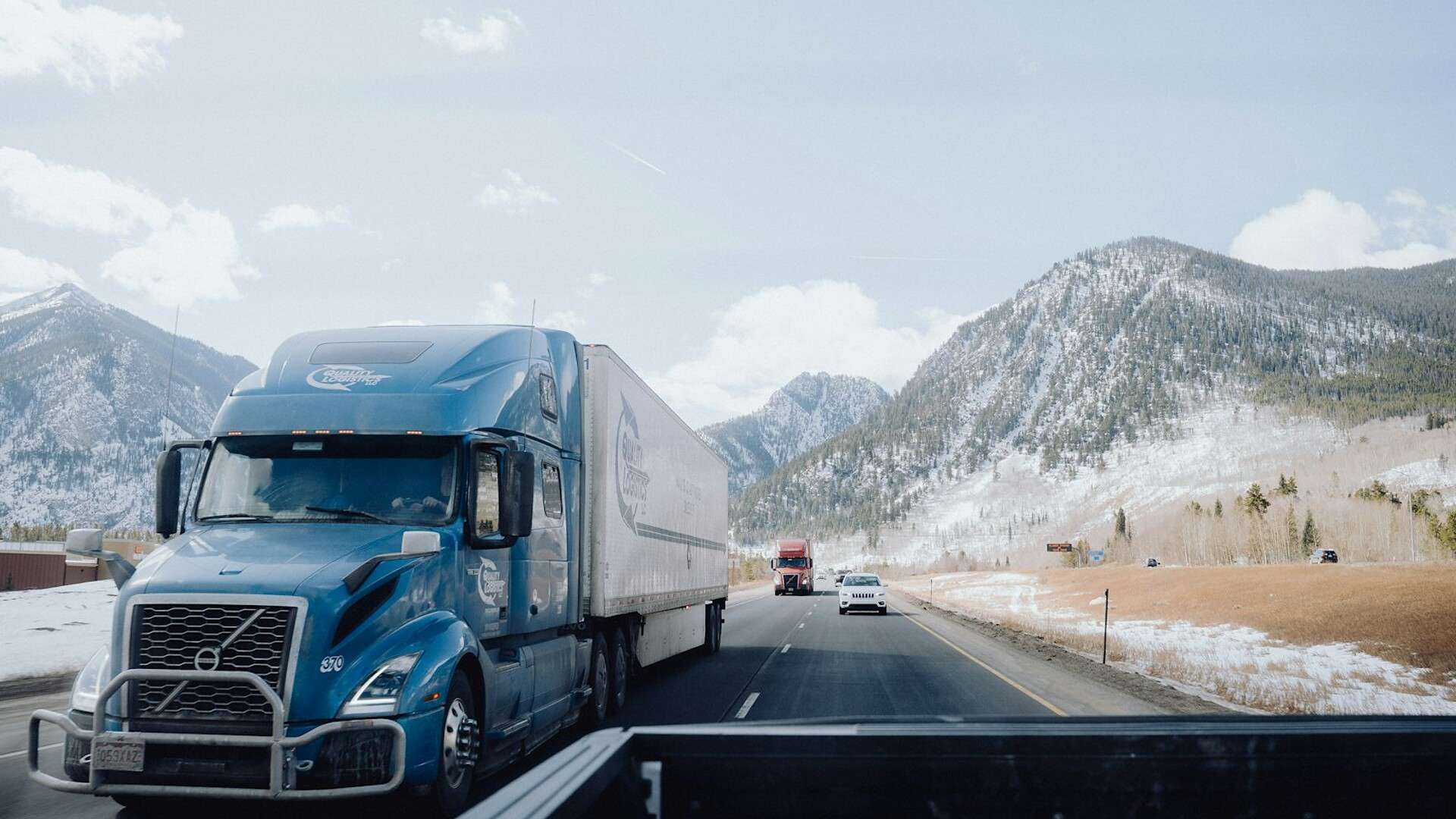
The first real snowfall of the season never arrives on a convenient schedule, and the roads punish drivers who treat it as a surprise. The Federal Highway Administration estimates that snow, sleet, hail and freezing rain contribute to about 220,000 U.S. crashes, 34,000 injuries and more than 400 deaths in an average year, based on 2019 to 2023 data. Most of that is preventable with a little preparation, a lot less speed and some awareness of the other drivers around you.
Start with the car: tires, battery, visibility and fuel
Federal safety regulators say winter preparation starts at the tires. NHTSA’s winter driving tips call for inflating tires to the pressure listed in your owner’s manual or on the driver’s door jamb, not the maximum printed on the tire sidewall, and checking them when cold. Keep tread depth above 2/32 of an inch (the penny test works: if you can see the top of Lincoln’s head, it’s time for new tires), and consider dedicated snow tires if you live where winter is serious.
- Battery and belts: cold weather exposes weak batteries first. Have the battery, charging system and belts checked before the first freeze.
- Wipers, washer fluid and lights: replace worn blades, fill the reservoir with de-icing washer fluid and make sure every exterior light works so others can see you.
- Fuel or charge: keep the tank near full, and keep hybrids and EVs well charged, so you can run the heat if you get stuck.
- Clear the whole car: scrape every window, brush snow off the roof and hood, and clear the lights and sensors before you move.
Then build a small emergency kit and keep it in the vehicle: a shovel, broom and ice scraper, sand or kitty litter for traction, jumper cables, a flashlight, flares or reflective markers, a first aid kit, blankets, water, non-perishable snacks, any medications you need and a phone charger. If you want a refresher on the basics, our earlier guide on safely driving in the snow covers more.
Driving in snow: slow down and leave room
Slick pavement means longer stopping distances, so the most important adjustment is also the simplest: reduce speed and increase following distance well beyond what you would use on dry roads. FHWA data shows heavy snow can cut average freeway speeds by 5 to 40 percent, a sign that experienced drivers already slow down. Accelerate, brake and steer gently. If your car has antilock brakes, press the pedal firmly and keep steady pressure rather than pumping it. Look farther ahead than usual, and plan stops early.

Rare snow is often the most dangerous, because drivers have little practice. Video of a Mercedes S-Class struggling in a Houston snowstorm is a reminder that even a luxury sedan with all the electronic help in the world cannot beat physics on an ice-glazed road. Bridges and overpasses freeze first, so treat them with extra respect, and if conditions are bad enough that you do not need to go out, don’t.
Be careful around other drivers, and give plows space
You can control your own speed, but not the person in front of or beside you. Assume other drivers will brake late, slide through intersections or stop abruptly, and keep an escape route open when you can. Avoid sudden lane changes, stay out of the blind spots of large trucks and resist the urge to tailgate the car that seems to know where it’s going.
Plows deserve special care. NHTSA advises staying well back from snowplows and not driving beside them, because they turn wide, stop often and can overlap lanes. In Wyoming, officials have publicly pleaded with motorists after drivers repeatedly struck snowplows, a pattern that shows how quickly impatience around a working plow turns into a crash.

Lessons from the worst snow-related traffic incidents
Some of the most severe snow-related crashes in U.S. history share a common thread: drivers kept going at highway speed when conditions suddenly changed.
Interstate 81, Pennsylvania, March 2022. A sudden snow squall cut visibility on I-81 in Schuylkill County on March 28, 2022, triggering a pileup involving tractor-trailers. Early reports counted 40 to 60 vehicles and at least three deaths; the toll later rose, with the Tribune-Review reporting six dead, 24 injured and roughly 80 vehicles involved. The highway stayed closed for about 38 hours. The same report placed it among Pennsylvania’s worst pileups since 2001, a list that included a 56-vehicle crash on I-80 in December 2001 and a 59-vehicle crash on I-80 in December 2019.
A National Weather Service forecaster said the agency began issuing snow squall warnings because of pileups like this one. The practical lesson is blunt: if a warning hits your phone or a wall of white appears ahead, slow down immediately, put on your lights and get off the road if you can do so safely.
Atlanta, January 2014. Only about 2.6 inches of snow fell on January 28, 2014, yet the Atlanta area recorded more than 1,000 traffic accidents as everyone tried to leave at the same time. Drivers abandoned cars, some students spent the night at school and it took about 18 hours for traffic to return to normal. It was less a pileup than a gridlock disaster, and it shows why timing matters: leave early, or wait until roads are treated.

Our coverage of a Camaro stuck during a rare Atlanta snowstorm shows how little it takes in a place that sees snow once in a blue moon.
A quick pre-snow checklist
- Check tire pressure and tread, battery, wipers, washer fluid and lights.
- Fill the tank or charge the battery, and pack your emergency kit and phone charger.
- Check the forecast and road conditions before you leave, and delay the trip if you can.
- Slow down, increase following distance and stay far back from plows.
- If you get stuck, stay with the vehicle, keep the exhaust pipe clear and call for help.
Winter driving is not about confidence; it is about margin. Extra distance, lower speed and a prepared car give you time to react when someone else makes the mistake.