
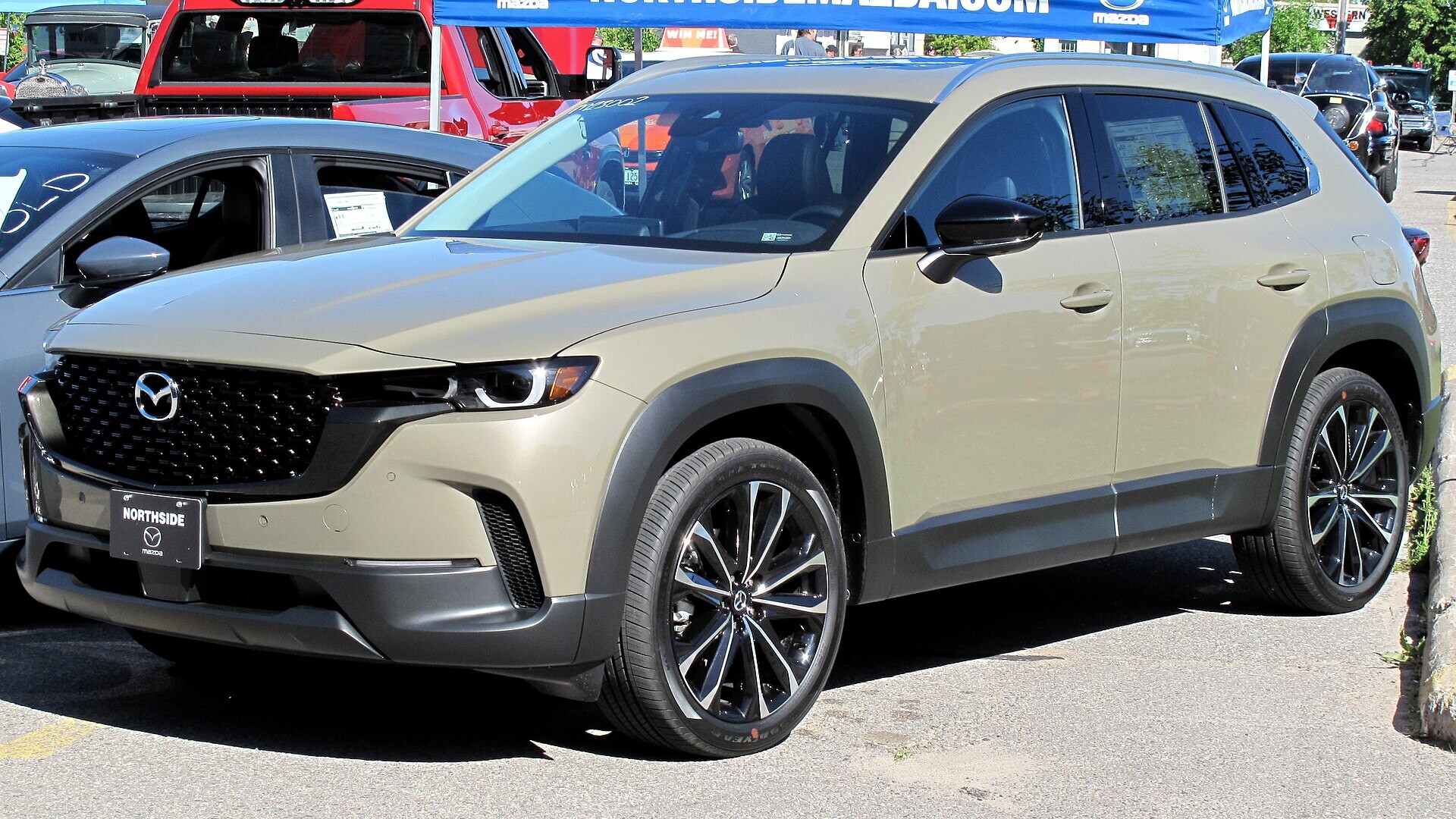
A 31-year-old man from Medford asked a Eugene, Oregon, dealer for $15,000 on Oct. 21 for a 2025 Mazda CX the dealer valued at about $35,000, and Eugene police said they found a disassembled key fob on him after he walked away from the lot.
The dealer found the problem himself. According to KVAL’s report on the arrest, which attributes its details to Eugene police, the price struck him as suspicious, so he ran a VIN check. The number belonged to a Salem dealership. He called that dealership, it told him the vehicle had been stolen, and he called police. The ask was about 43 percent of the dealer’s valuation, a $20,000 gap.
What police reported from the lot
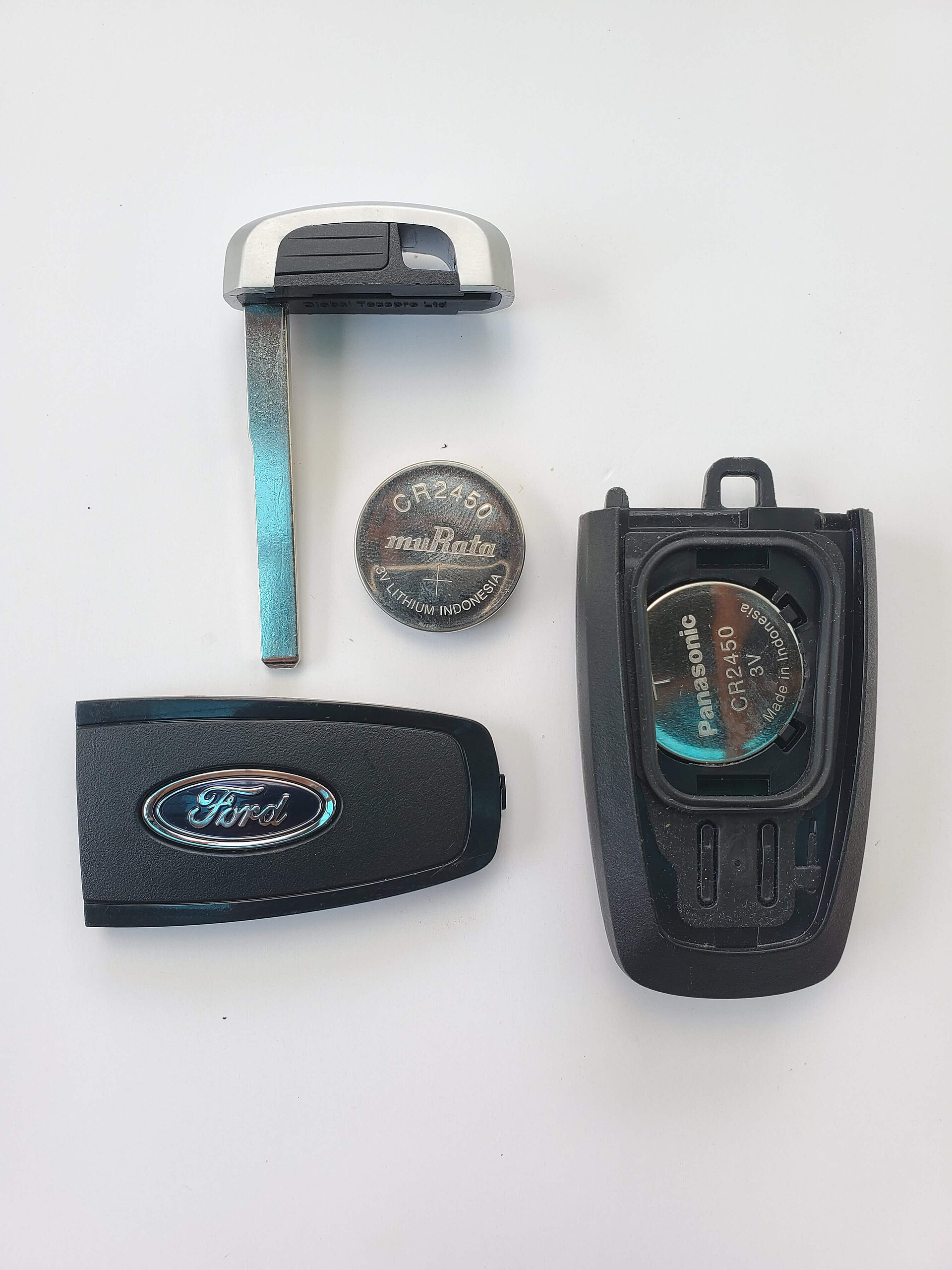
Officers were called at 2:26 p.m. to a dealership in the 400 block of Highway 99, KVAL reported. The seller left on foot as they arrived and was found and detained. Police said he had a baggie of white crystal substance and a pipe in his shirt pocket, and that a field test was presumptively positive for methamphetamine. They also said they found parts of a key fob inside the Mazda in addition to the disassembled fob on him.
He was booked into the Lane County Jail on charges of possession of a stolen vehicle and unlawful possession of methamphetamine. Those are police allegations. I did not find a court date, a plea or a statement from the man or a defense attorney, and neither dealership has been named in the coverage I could verify. KVAL did not say which Mazda CX model it was.
How Oregon defines possession of a stolen vehicle
Under ORS 819.300, a person commits the offense by possessing a vehicle the person knows or has reason to believe has been stolen. It is a Class C felony, which under ORS 161.605 and 161.625 carries up to five years in prison and a fine of up to $125,000. The statute sets no price threshold for “reason to believe,” so whether a given discount qualifies is a question a judge or jury decides on the facts.
The next section of the same chapter, ORS 819.310, covers trafficking: receiving or transferring a vehicle the person knows or has reason to believe is stolen, with intent to obtain, transfer or sell title. It is also a Class C felony. The charge reported in this case was possession, and prosecutors can file something different once they review the case.
What a VIN check covers
The National Insurance Crime Bureau’s free VINCheck tool reports whether a vehicle has been reported stolen and not recovered, or reported as salvage, by cooperating NICB member insurers. NICB limits it to five searches per 24 hours per IP address. KVAL did not say which database the Eugene dealer used, and the confirmation that ended the sale came from a phone call to the Salem dealership.
Because VINCheck reflects only member-insurer reports, a clean result does not clear a car. NICB’s own buying guidance adds a state motor vehicle bureau check, a title search, a mechanic’s inspection and a recommendation to walk away from a deal that seems too good to be true. A $15,000 ask on a $35,000 crossover was that kind of deal, and the dealer treated it that way.
What happens next
The charges will move through Lane County’s courts, where the docket will show whether prosecutors file them as reported, add a trafficking count or drop one. The Salem dealership gets its Mazda back only after the case releases it, and nothing published says whether that has happened.
Oregon’s statute reaches anyone with “reason to believe” a vehicle is stolen, not only the person who took it. Is that the right standard for people who buy cars far below market value, or should the law require proof that the buyer actually knew?