 By Eve Nowell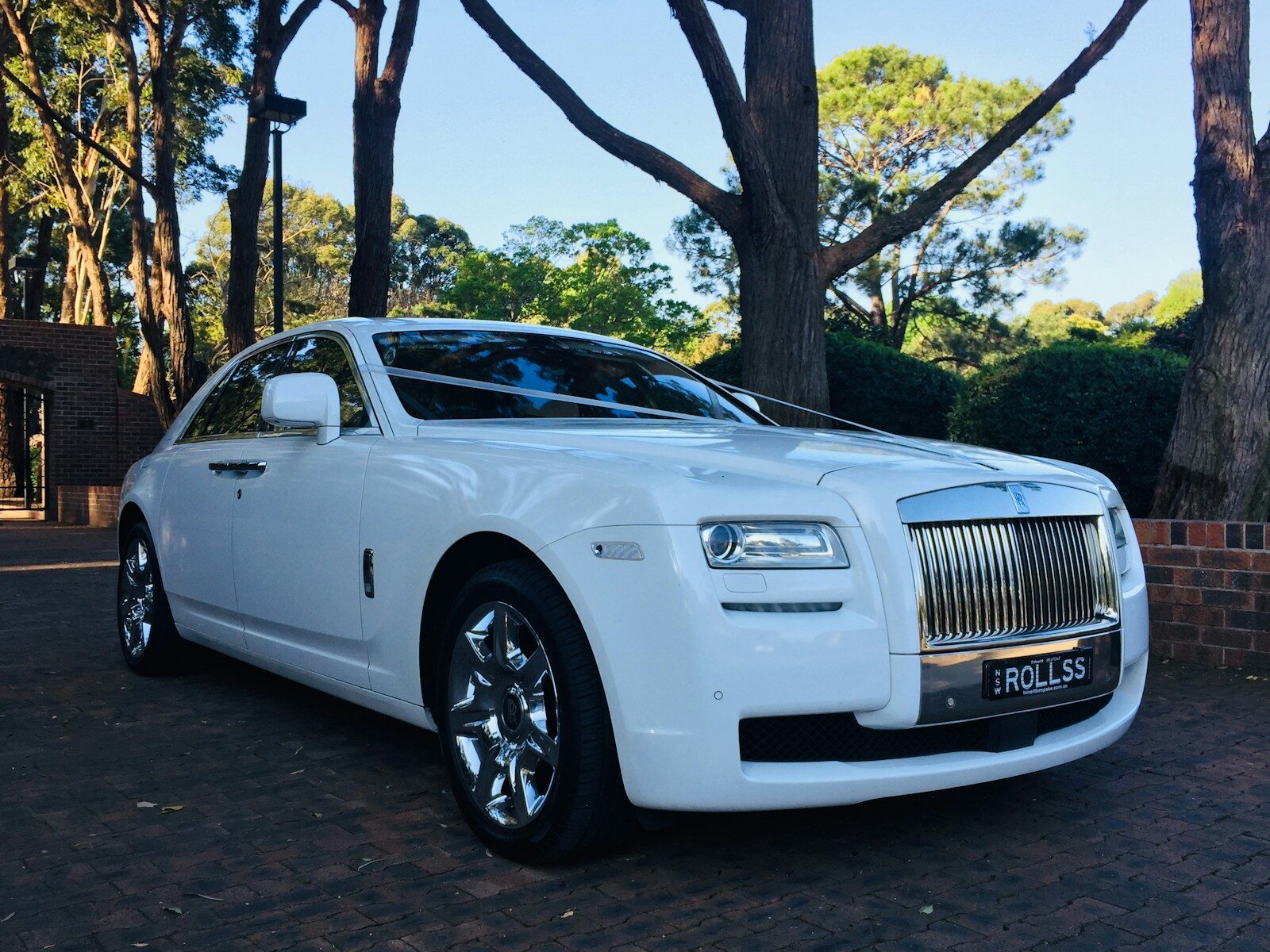
A Tampa auto dealer who used his position in the vehicle industry to run a fraudulent loan scheme and attempt to ship a stolen luxury SUV overseas has been sentenced to federal prison. Mohamad Jihad Fakih, 27, received a 54-month prison sentence after being convicted of conspiracy to commit wire fraud and attempting to export a stolen motor vehicle. The sentence was handed down by U.S. Senior District Judge Virginia M. Hernandez Covington, who also ordered Fakih to forfeit $378,886.96 tied to the proceeds of the fraud operation.
Federal prosecutors said Fakih orchestrated a scheme that used falsified loan applications, straw buyers, and fake vehicle transactions to obtain money from automotive financing companies. The operation unfolded through dealership systems that allowed financing applications to be submitted electronically. Investigators determined Fakih leveraged that access to create loan applications for vehicles that were never actually sold, triggering loan payments that were then routed directly to him.
According to court records, Fakih worked with at least one accomplice to identify individuals willing to act as straw purchasers. These individuals were listed on financing paperwork as the buyers of vehicles that did not exist in legitimate sales transactions. Loan applications were submitted to financing companies with falsified details, representing that the buyers were purchasing specific vehicles through Fakih’s dealership operations.
Once the financing companies approved the loans, the funds were disbursed under the assumption that a vehicle purchase had taken place. Instead, the money was transferred to Fakih as the supposed seller. The proceeds were then split among Fakih, his accomplice, and the individuals who allowed their identities to be used as buyers.
Investigators determined the scheme did not stop with fraudulent loan approvals. Fakih also filed false insurance claims in some instances, reporting vehicles as stolen despite the fact that the vehicles tied to the financing transactions had never been legitimately purchased. These reports created the appearance that financed vehicles had disappeared after the supposed sale, allowing additional financial claims to be made while masking the underlying fraud.
Federal authorities concluded that Fakih repeated the scheme multiple times using the same structure of fake sales and loan applications. In total, at least six fraudulent transactions were carried out, generating more than $372,000 in loan proceeds tied to nonexistent vehicle purchases.
Beyond the loan fraud operation, prosecutors presented evidence showing Fakih also attempted to move stolen vehicles overseas. One case involved a Rolls-Royce Cullinan, an ultra-luxury SUV with a manufacturer’s suggested retail price estimated at roughly $460,000. The vehicle was obtained using one of the straw purchasers involved in the broader fraud operation.
After securing the stolen Cullinan, Fakih arranged for it to be shipped overseas through the Port of Savannah. The vehicle was loaded into a shipping container that was prepared for export, but the paperwork attached to the container did not accurately describe its contents. The manifest had been falsified in an apparent effort to conceal the presence of the luxury SUV and prevent law enforcement or port officials from identifying the vehicle during export processing.
Federal authorities intercepted the shipment before the vehicle could leave the United States. U.S. Customs and Border Protection officers inspected the container and located the Cullinan inside. The vehicle was confirmed as stolen and seized before it could be transported overseas.
The attempted export of high-value stolen vehicles is a growing concern for federal investigators because of the scale of profits involved and the difficulty of recovering vehicles once they leave the country. Luxury SUVs and high-end performance vehicles are particularly attractive targets because of their resale value in international markets. In this case, the interception prevented the loss of a vehicle worth nearly half a million dollars.
Fakih’s criminal activity was uncovered through an investigation led by the Federal Bureau of Investigation’s Joint Terrorism Task Force. Although the task force primarily focuses on national security threats, it also works with federal partners on complex financial crimes and international smuggling operations when the cases intersect with broader investigative priorities.
Investigators compiled financial records, loan documentation, shipping manifests, and insurance filings that revealed the structure of the fraud scheme and the attempted export operation. The evidence showed repeated fraudulent loan submissions tied to vehicles that had never been legitimately sold, as well as the coordinated effort to move the stolen Rolls-Royce through a U.S. port under falsified shipping paperwork.
The case moved through federal court in Tampa, where Fakih was ultimately convicted on August 21, 2025. Prosecutors presented documentation outlining how the scheme operated and how financing companies were misled into issuing large loan payments based on fabricated vehicle transactions.
The financial damage tied to the fraud scheme exceeded $372,000, and the forfeiture order of $378,886.96 reflects the proceeds linked to the operation. The forfeiture ruling ensures that funds connected to the illegal activity will be seized by the government as part of the sentencing.
With the sentencing now finalized, Fakih will serve four and a half years in federal prison for the crimes tied to the fraud scheme and the attempted export of the stolen Rolls-Royce Cullinan. Federal authorities confirmed the investigation has concluded, and the case has moved into the enforcement phase following the court’s ruling.
Source


 Shawn Henry