
Best Paint Thickness Gauges for Buying Used Cars
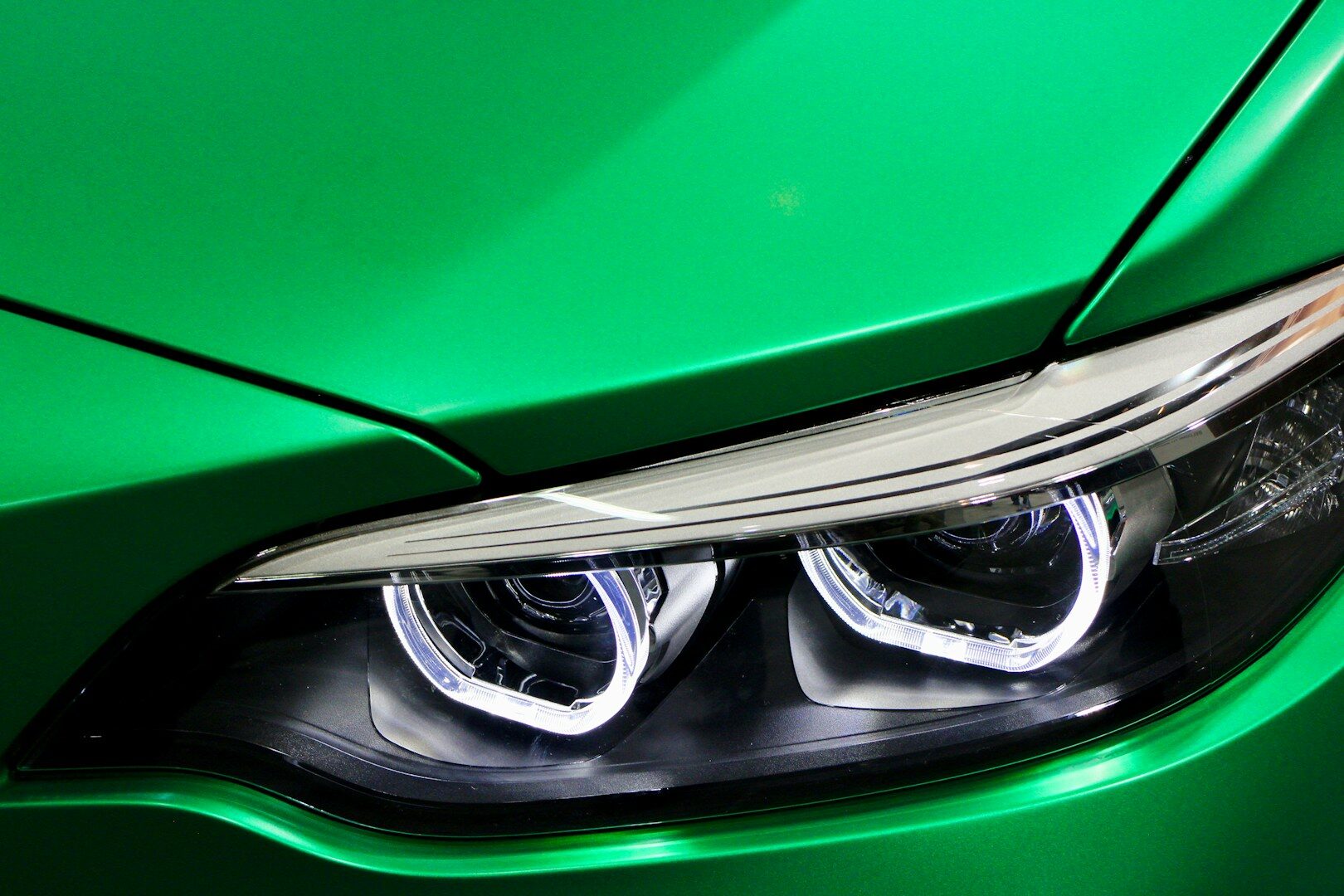
Buying a used car always involves a bit of detective work, and one of the most telling clues is hiding in plain sight: the paint. A car that’s been in a collision and poorly repaired will usually have thicker paint and filler on the affected panels than it left the factory with. A paint thickness gauge lets you measure that in seconds, turning a vague “does this panel look a little off?” into an actual number you can compare across the car.
Factory paint typically falls in a fairly consistent range across all panels. When one door or fender reads dramatically thicker than the rest, that’s a strong sign of bodywork — which could mean anything from a minor parking ding to a hidden accident the seller didn’t mention. It’s not proof of disaster, but it’s a reason to ask more questions and maybe walk away.
These gauges range from sub-$10 magnetic testers that just hint at trouble, up to professional-grade meters that body shops rely on. For most private buyers, a mid-range digital unit that reads both steel and aluminum is the sweet spot. Below are popular, well-reviewed options across that whole spectrum. We haven’t personally tested these; picks are based on reputation and customer feedback.
The Best Paint Thickness Gauges for Buying Used Cars
Mcbazel Magnetic Paint Thickness Tester (No Battery)
Approx. price at time of writing: $8.07 · Rating: 4.6★ on Amazon
This is the bare-bones, pocket option — a small magnetic gauge that needs no battery and gives you a rough read on whether a panel has been repainted with thick filler underneath. It won’t give precise micron figures, but it’ll flag obvious bodywork on the cheap.
Why We Like It: For under ten bucks, it’s an easy thing to keep in your pocket at a dealer lot for a quick gut-check.
Best For: Tire-kickers who just want a cheap, instant repaint sniff test.
Pros:
- Extremely cheap
- No battery needed
- Pocket-sized
Cons:
- Not precise
- Works on steel panels only
- Easy to misread
AstroAI Digital Paint Thickness Gauge
Approx. price at time of writing: $34.19 · Rating: 4.5★ on Amazon
AstroAI’s digital gauge reads coating thickness on both steel and aluminum panels and shows the result on a clear backlit display. It’s an affordable step into actual numeric readings, which is what you want when comparing one panel against another on a used car.
Why We Like It: It’s a well-reviewed, budget-friendly digital unit from a familiar consumer brand.
Best For: Used-car shoppers who want real numbers without spending much.
Pros:
- Reads steel and aluminum
- Clear digital display
- Affordable
Cons:
- Less precise than pro units
- Basic feature set
- No data logging
CM-205FN Digital Coating Thickness Meter
Approx. price at time of writing: $39.99 · Rating: 4.4★ on Amazon
The CM-205FN automatically detects ferrous and non-ferrous substrates and gives quick micron or mil readings, making it a practical mid-budget choice. It’s compact enough to carry to a viewing and simple enough to use without a manual.
Why We Like It: It hits a sweet spot of price, dual-substrate detection, and ease of use.
Best For: Buyers who want reliable readings on mixed-metal modern cars.
Pros:
- Auto Fe/NFe detection
- Compact and simple
- Good value
Cons:
- No app or logging
- Modest screen
- Accuracy fine for shopping, not lab work
CM-224 Digital Paint Thickness Gauge
Approx. price at time of writing: $59.99 · Rating: 4.8★ on Amazon
The CM-224 is a popular, highly rated gauge that handles steel and aluminum with fast, repeatable readings and a clean interface. It’s a common recommendation for people who inspect cars regularly and want consistent results.
Why We Like It: Its strong rating and repeatable accuracy make it a frequent favorite among inspectors and detailers.
Best For: Frequent buyers, flippers, and detailers who want dependable accuracy.
Pros:
- Highly rated for accuracy
- Steel and aluminum support
- Fast, consistent readings
Cons:
- Pricier than entry units
- No smartphone app
- Plainer styling
CM-224Pro Automotive Coating Thickness Meter
Approx. price at time of writing: $49.99 · Rating: 4.8★ on Amazon
The 224Pro builds on the CM-224 formula with a wide 0–5000μm range and quick auto-detection of substrate type. It’s aimed at people who want a bit more measuring range and a polished readout in a still-affordable package.
Why We Like It: It pairs a high rating with a generous measurement range, which helps spot thick filler.
Best For: Inspectors who want extra range to catch heavy bodywork.
Pros:
- Wide measurement range
- Highly rated
- Auto substrate detection
Cons:
- Overkill for casual one-off use
- No logging
- Newer listing
Used-Car Buyer Coating Thickness Meter
Approx. price at time of writing: $33.69 · Rating: 4.5★ on Amazon
Marketed specifically at used-car buyers, this gauge focuses on the one job most shoppers care about: quickly flagging panels that have been repainted or filled. It’s straightforward, affordable, and designed for parking-lot use.
Why We Like It: It’s purpose-built for the exact scenario this guide covers, at a friendly price.
Best For: First-time used-car shoppers who want a no-fuss repaint detector.
Pros:
- Aimed at car buyers
- Affordable
- Simple operation
Cons:
- Basic compared to pro meters
- Limited extra features
- Best for quick checks
CM-206X Automotive Coating Thickness Gauge
Approx. price at time of writing: $55.99 · Rating: 4.5★ on Amazon
The CM-206X is a well-rounded gauge with reliable dual-substrate detection and a sturdy feel, sitting in the middle of the lineup. It’s a dependable everyday tool for anyone serious about checking paint before they buy.
Why We Like It: It’s a solid, well-reviewed middle option that balances accuracy and price.
Best For: Buyers who want a durable, accurate gauge for repeated use.
Pros:
- Reliable dual-substrate reads
- Sturdy build
- Good accuracy
Cons:
- No app
- Mid-range price
- Minimal extras
GOYOJO Paint Thickness Gauge for Cars
Approx. price at time of writing: $36.96 · Rating: 4.6★ on Amazon
The GOYOJO covers a 0–2000μm range with auto Fe/NFe detection and a bright display, aimed at shoppers who want a modern, easy-to-read gauge without paying premium money. It’s a tidy all-rounder for spotting bodywork.
Why We Like It: It blends a clean interface, solid rating, and a reasonable price.
Best For: Value-focused buyers who want a modern, readable gauge.
Pros:
- Clear bright display
- Auto substrate detection
- Reasonable price
Cons:
- Limited to 2000μm range
- No logging
- Less known brand
CM-208Z Professional Coating Thickness Gauge
Approx. price at time of writing: $219.99 · Rating: 4.5★ on Amazon
The CM-208Z is the professional pick here, with an industrial-grade range up to 3000μm, higher precision, and the kind of build quality a body shop or serious inspector expects. It’s far more than a casual buyer needs, but it’s the most capable option on the list.
Why We Like It: For pros and dealers who measure paint daily, the accuracy and durability justify the price.
Best For: Body shops, dealers, and pro inspectors who measure constantly.
Pros:
- Professional-grade accuracy
- Wide industrial range
- Durable build
Cons:
- Expensive
- Overkill for one-time buyers
- More tool than most need
Buying Guide: Choosing a Paint Thickness Gauge
Steel vs. aluminum matters. Many modern cars mix steel and aluminum panels (hoods and doors are often aluminum). A gauge that only works on ferrous metal will give you nothing on an aluminum panel. Look for “Fe/NFe” or automatic substrate detection so you can measure the whole car.
Magnetic vs. digital. Cheap magnetic testers give a rough feel for thick filler but no real numbers and won’t work on aluminum. Digital gauges show actual microns or mils, which is what you need to compare panels meaningfully.
How to use it. Take readings on several spots per panel and compare panel to panel. Factory paint is fairly uniform; a panel reading two or three times higher than its neighbors is the red flag. Always measure roof, pillars, and the spots people forget — that’s where giveaways hide.
Common mistakes: measuring only one spot per panel, ignoring aluminum panels with a steel-only gauge, and treating a single high reading as proof of a wreck. Context matters — repainted bumpers are plastic and read differently, and small touch-ups aren’t the same as structural damage.
Value vs. premium: A sub-$10 magnetic tester is fine as a quick sniff test. For real shopping, a $35–$60 digital dual-substrate gauge (like the CM-224 or CM-205FN) is plenty. The CM-208Z is for pros and dealers who measure daily.
Frequently Asked Questions
What does a paint thickness gauge actually tell me?
It measures how thick the paint and any filler is on a panel, usually in microns or mils. Comparing readings across panels reveals whether some have been repainted or filled, which points to past bodywork or accident repair.
What’s a normal factory paint reading?
Factory paint is generally consistent across a car, often in roughly the 80–150 micron range, though it varies by make. The key isn’t the exact number — it’s spotting panels that read dramatically higher than the rest.
Will it work on aluminum panels?
Only if the gauge supports non-ferrous substrates. Many newer cars use aluminum for hoods and doors, so a unit with Fe/NFe or automatic detection is important if you want to measure the entire vehicle.
Does thick paint always mean an accident?
No. It can indicate a minor repaint, a touched-up scratch, or a bumper respray rather than a major collision. A high reading is a reason to investigate further, not an automatic dealbreaker.
Do I need an expensive professional model?
For private used-car shopping, no. A mid-range digital gauge that reads both metals is more than enough. Professional models mainly add precision and durability that matter for daily, high-volume use.
Can the seller tell I’m using one?
These gauges are small and the readings take a second or two per spot. Many buyers measure discreetly while walking around the car, though there’s nothing wrong with telling the seller you’re checking the paint.
Are cheap magnetic testers worth it?
They’re useful as a quick, no-battery hint that a steel panel may have filler, but they don’t give numbers and won’t read aluminum. For serious shopping, a digital gauge is the better tool.
Smart used-car shopping doesn’t stop at the paint — see our car recalls resource before you buy, browse our Garage Deals hub, and check our automotive gadgets worth checking out.