
Best Head-Up Displays for Cars in 2026
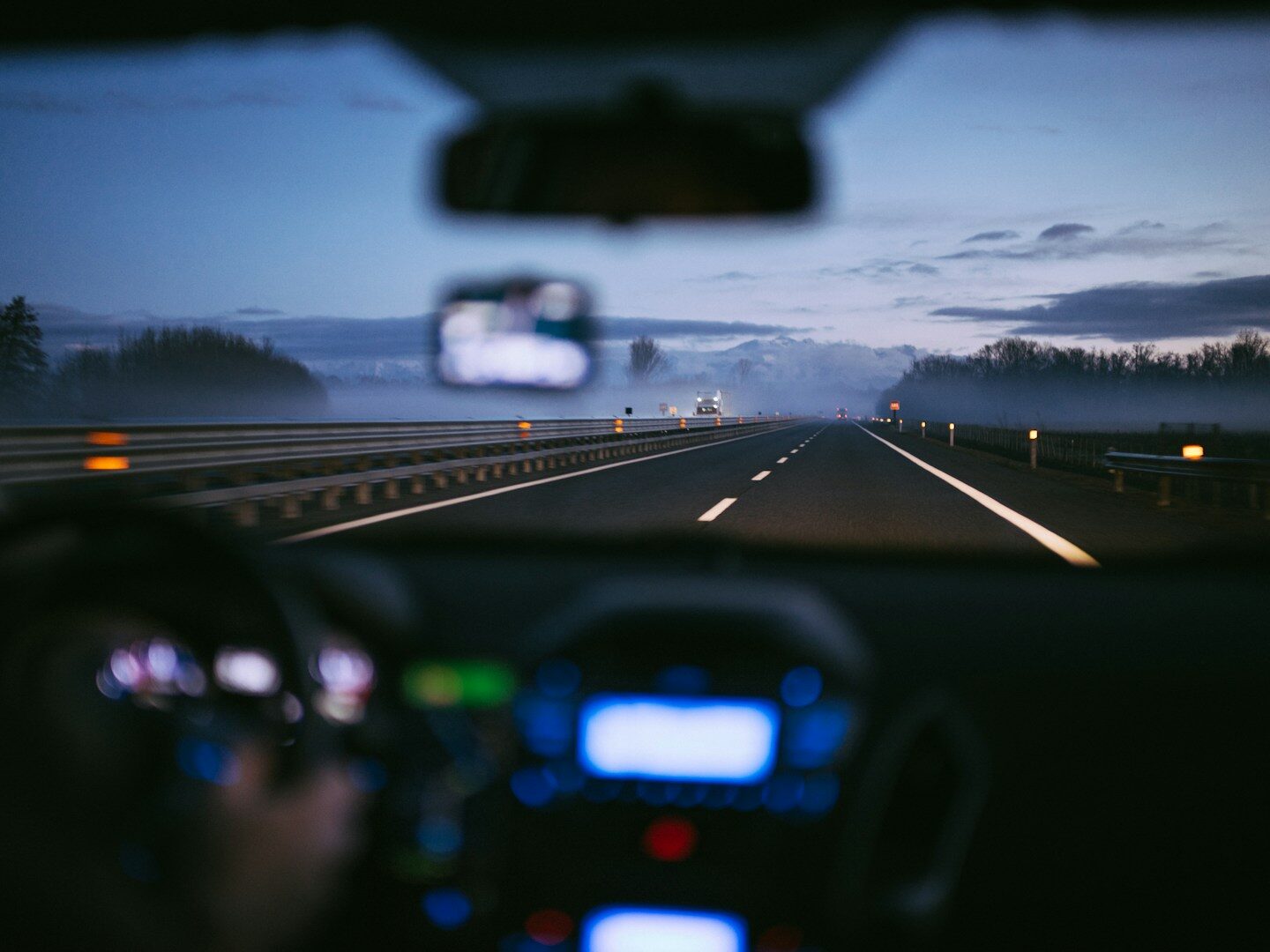
Updated September 2026. The Auto Wire may earn a commission when you buy through links on this page, at no extra cost to you. Picks are chosen editorially from specs, owner reviews and product features; prices change often, so check Amazon for the current price.
Factory head-up displays used to be limited to luxury cars, but the idea is simple and useful in any vehicle: put your speed where your eyes already are, so you spend less time looking down at the gauge cluster. That matters most in speed-camera zones, school zones and on unfamiliar roads, and it is a real help in older cars with small or hard-to-read speedometers.
Aftermarket HUDs come in two main types. GPS units plug into any USB port and calculate speed from satellites, which makes them universal. OBD2 units plug into the car’s diagnostic port and can show engine data such as RPM, coolant temperature and fault codes as well as speed. This list covers both, picked from listing specs and owner feedback. Keep expectations realistic: most aftermarket HUDs are bright dashboard displays that reflect onto the glass, not the full navigation projections found in some new cars.
Our top picks at a glance
| Best for | Pick | |
|---|---|---|
| Best overall | Smart HUD Co-Pilot GPS Speedometer | See price |
| Best value | GPS + BDS HUD Speedometer | See price |
| Best large display | SinoTrack 5.5-inch GPS HUD | See price |
| Best OBD2 + GPS | wiiyii P6 | See price |
| Best windshield projection | MAIMEIMI OBD2 HUD | See price |
Jump to: The picks · How to choose · FAQ
The 8 best head-up displays for cars in 2026
1. Smart HUD Co-Pilot GPS Speedometer
Best for: Best overall
For most drivers who simply want their speed in their line of sight, this compact GPS HUD is the easiest choice. It shows large MPH digits in your forward view, uses GPS plus BDS dual-mode positioning with a 10Hz refresh rate for responsive readings, and plugs into any standard 5V USB port with no OBD connection needed.
A built-in light sensor adjusts brightness automatically as conditions change, so it stays readable in daylight without glaring at night.
- Large MPH digits in your line of sight
- GPS + BDS positioning with 10Hz refresh
- USB plug-and-play; no OBD required
- Automatic brightness adjustment
Worth knowing: GPS speed can lag briefly in tunnels, parking garages and dense downtown areas.
Check current price on Amazon →
2. GPS + BDS Head-Up Display Speedometer
Best for: Best value
This USB-powered HUD has a long track record with owners and covers the essentials well. Dual-mode GPS and BDS positioning connect to up to 32 satellites with a 10Hz refresh rate for fast, accurate speed readings.
It displays speed in MPH (up to 115 MPH) in a large font with anti-reflective shading, and an intelligent light sensor handles brightness automatically. Because it does not need an OBD port, it works in most cars, trucks and even older vehicles.
- GPS + BDS, up to 32 satellites, 10Hz refresh
- Large MPH display up to 115 MPH
- Anti-reflective shading and auto brightness
- USB powered; works in most vehicles
Worth knowing: Speed only; if you want RPM or engine temperature, choose an OBD2 model.
Check current price on Amazon →
3. Compact GPS HUD Speedometer
Best for: Best for motorcycles and non-OBD vehicles
Because this compact HUD only needs a USB port, it works in vehicles that lack an OBD2 port or have unusual diagnostic setups, including older cars and motorcycles with USB power. Dual-mode GPS and BDS with a 10Hz refresh rate keep readings responsive.
It shows speed in large MPH digits with anti-reflective shading and adjusts brightness automatically.
- Works with any USB power source
- GPS + BDS with 10Hz refresh
- Large MPH display
- Automatic brightness
Worth knowing: The maker notes metal-film windshields can affect GPS reception; mount it where it has a clear view of the sky.
Check current price on Amazon →
4. Universal GPS HUD with Compass and Fatigue Alert
Best for: Best for long-distance drivers
This GPS HUD adds a couple of features useful on long highway drives: a speeding alert and a fatigue driving reminder that prompts you to take a break. A built-in compass shows your heading in real time.
It uses GPS plus BDS with a 10Hz refresh rate, displays speed in MPH with multiple color options, and adjusts brightness automatically.
- Speeding alert and fatigue driving reminder
- Built-in compass heading display
- GPS + BDS with 10Hz refresh
- Auto-brightness LED display
Worth knowing: More information on screen means smaller digits than the single-number speed HUDs.
Check current price on Amazon →
5. SinoTrack 5.5-Inch Digital GPS Speedometer HUD
Best for: Best large display
The SinoTrack uses an extra-large 5.5-inch screen that can show speed alongside driving time, mileage, clock and direction at the same time. It is a good fit for trucks, RVs and older drivers who want bigger numbers.
It includes speeding and fatigue-driving alerts, an automatic light-sensitive screen, and simple one-button controls: a long press opens settings and a short press switches display modes.
- 5.5-inch LCD showing speed, time, mileage and direction
- Speeding and fatigue-driving alerts
- Automatic light-sensitive brightness
- One-button operation
Worth knowing: The large unit takes up more dash space and can be harder to place in small cars.
Check current price on Amazon →
6. wiiyii P6 OBD2 + GPS Gauge Display
Best for: Best OBD2 + GPS combo
The wiiyii P6 works in two modes at once: OBD2 for engine data and GPS for speed, so you get accurate readings even if one source has a problem. It offers 10 switchable interfaces with gauge-style readouts.
It can read and clear fault codes and view live data streams, making it half HUD and half basic diagnostic tool. The ambient light is blue during normal driving and changes when you exceed your set speed, and it can mount on the dash with an adjustable bracket.
- Dual OBD2 + GPS operation
- 10 switchable gauge interfaces
- Reads and clears fault codes; live data
- Speed warning color change and auto brightness
Worth knowing: OBD2 features vary by vehicle; some hybrids and certain makes do not report every data point.
Check current price on Amazon →
7. MH OBD2 + GPS Head-Up Display
Best for: Best for engine data and alarms
If you want to monitor more than speed, the MH HUD displays tachometer, fuel consumption, water temperature, drive time, altitude and mileage. It can scan and clear fault codes and switch between OBD2 and GPS modes.
Alarms are highly customizable, including speed, engine temperature, voltage and RPM thresholds, which is useful for older engines, towing or performance driving. The listing notes OBD2 compatibility for cars from 2008 onward.
- Speed, RPM, fuel use, coolant temp, altitude and more
- Fault code scan and clear
- Switchable OBD2 and GPS modes
- Custom alarms for speed, temperature, voltage and RPM
Worth knowing: Owner feedback is more mixed than for GPS-only units; confirm compatibility with your specific vehicle.
Check current price on Amazon →
8. MAIMEIMI OBD2 Windshield Head-Up Display
Best for: Best true windshield projection
Unlike most units here, which you read directly, the MAIMEIMI projects onto the windshield itself, which is closer to the experience of a factory HUD. It switches between speed, RPM, trip data and water temperature.
Four alarms cover overspeeding, fatigue driving, speed and engine faults, and a light sensor adjusts brightness automatically. It plugs into the OBD2 port on most gasoline cars.
- Projects data onto the windshield
- Speed, RPM, trip and water temperature modes
- Overspeed, fatigue and engine-fault alarms
- Auto brightness; OBD2 plug-and-play
Worth knowing: Projection-style HUDs can show a double image on standard windshields and wash out in bright sun; a reflective film helps. Gasoline cars only.
Check current price on Amazon →
How to choose a head-up display
The biggest decision is GPS versus OBD2, followed by display style and where the unit will sit on your dash.
GPS vs. OBD2
GPS HUDs calculate speed from satellites and plug into any USB port, so they work in virtually any vehicle, including older cars, trucks without OBD2 and motorcycles. They cannot show engine data and may lose signal in tunnels. OBD2 HUDs read speed and engine data directly from the car’s computer, so they work anywhere and can show RPM, coolant temperature and fault codes. Most cars sold in the U.S. since 1996 have OBD2, but data support varies by make, and some hybrids and EVs report limited information.
Direct display vs. windshield projection
Most affordable HUDs are bright displays you read directly on the dash, just below your line of sight. Projection HUDs reflect onto the windshield, which feels more like a factory system but can produce a double image because windshields have two layers of glass. Many projection models include a reflective film to stick on the glass for a sharper image. In strong sunlight, direct displays are usually easier to read.
Brightness and readability
A HUD that washes out at noon or glares at night is worse than none. Look for an automatic light sensor, anti-reflective shading and large digits. Polarized sunglasses can make some projection displays hard to see, so test with the glasses you usually wear. Simple speed-only displays are easiest to read at a glance; multi-data screens show more but with smaller numbers.
Placement and power
Place the HUD low on the dash where it does not block your view of the road, and away from airbag deployment zones on the passenger side. Most use a non-slip pad or adhesive mount. USB-powered units need a port near the dash, so route the cable neatly or add a 12V USB charger if needed. OBD2 units often draw a small amount of power when the car is off; unplug them if the car will sit for weeks.
Accuracy expectations
GPS speed is generally very accurate at steady speeds and often more accurate than a factory speedometer, which typically reads a little high. It updates with a slight delay during hard acceleration and loses signal under cover. OBD2 speed matches the car’s own sensors, so it inherits any speedometer error from tire size changes. If you have changed wheel or tire size, a GPS HUD will show your true speed.
Frequently asked questions
Do aftermarket head-up displays work in any car?
GPS head-up displays work in nearly any vehicle with a USB port because they do not connect to the car’s computer. OBD2 models work in most gasoline cars sold in the U.S. since 1996, though data support varies by manufacturer. Check the listing’s compatibility notes, especially for hybrids, EVs and diesels.
Why is my HUD showing a double image?
Windshields are made of two layers of laminated glass, and each layer reflects the display, creating a ghost image. Applying the reflective film included with many projection HUDs fixes this. Direct-view HUDs, which you read on the unit itself, do not have this issue.
Is a GPS speedometer more accurate than my car’s speedometer?
Often, yes. Factory speedometers are usually calibrated to read slightly high, and changing tire size can throw them off further. GPS measures actual ground speed, which is very accurate at steady speeds. It can lag during rapid speed changes and drop out in tunnels or garages.
Can a head-up display show navigation?
Most affordable aftermarket HUDs show speed and vehicle data, not turn-by-turn directions. Some units pair with a phone app for basic navigation arrows, but results vary. If navigation is your priority, a phone mount at eye level or a wireless CarPlay adapter for a car with a built-in screen is usually more practical.
Will an OBD2 HUD drain my battery?
Many OBD2 ports stay powered when the car is off, and some HUDs draw a small current even in standby. For a car driven daily, this is rarely an issue. If the car will sit for more than a week or two, unplug the HUD to be safe.
The bottom line
For a simple, accurate speed readout in your line of sight, the Smart HUD Co-Pilot is the best choice for most drivers. The GPS + BDS HUD Speedometer is a proven value pick, the SinoTrack suits anyone who wants bigger numbers, and drivers who want engine data should choose the wiiyii P6 OBD2 + GPS display.
More buying guides
- Best OBD2 Scanners (2026 Buyer’s Guide)
- Best Radar Detectors
- Best Car Phone Mounts for iPhone & Android
- Best Wireless CarPlay Adapters
Browse all Auto Wire buying guides →
Disclosure: The Auto Wire is a participant in the Amazon Services LLC Associates Program. As an Amazon Associate we earn from qualifying purchases. Product availability and pricing change frequently; the price shown on Amazon at the time of purchase applies.