
Jeep Wrangler
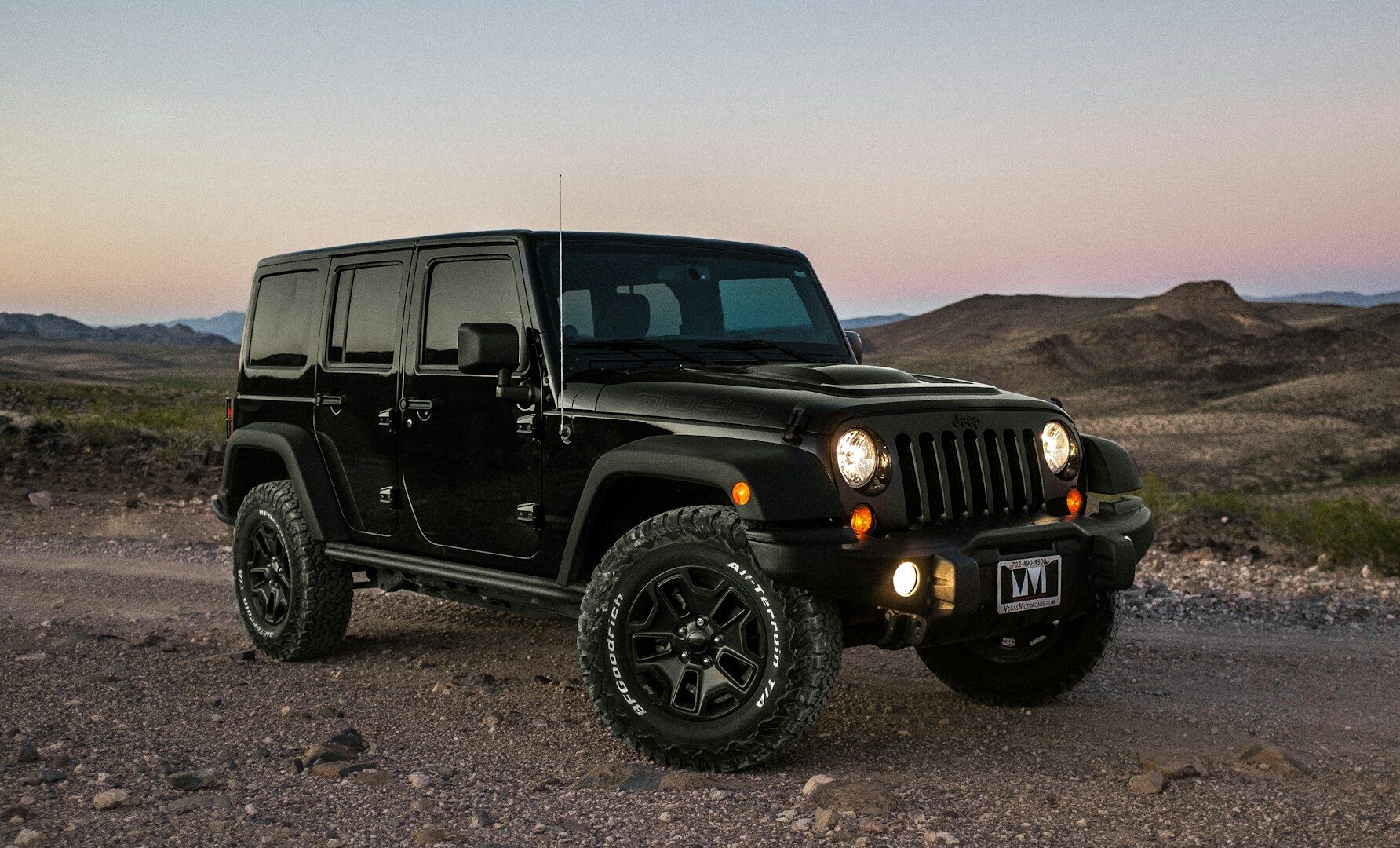
The Jeep Wrangler is the definitive American off-road vehicle, a direct descendant of the World War II-era Jeep and the benchmark against which all other trail SUVs are measured. Instantly recognizable by its round headlights, seven-slot grille, removable doors and roof, and fold-down windshield, the Wrangler pairs unmatched heritage with genuine off-road capability. This guide covers the current Wrangler lineup in depth, including its history, engines, performance, off-road hardware, interior, technology, safety, towing, trims, pricing, competitors, and reliability, along with a detailed FAQ.
Specifications throughout are drawn from manufacturer information and independent testing. Figures vary by model year, engine, and configuration, so where a number cannot be confirmed with confidence we say so directly. Always verify current details with Jeep or an authorized dealer before purchasing.
Overview
The current Wrangler (the JL generation, introduced for 2018) is offered in two-door and four-door (Unlimited) body styles, all with standard four-wheel drive and a body-on-frame design built for serious off-roading. The lineup spans a wide range, from affordable Sport trims to the rock-crawling Rubicon, the plug-in hybrid 4xe, and, in recent years, the V8-powered Rubicon 392.
What sets the Wrangler apart is its combination of removable doors and roof, a fold-down windshield, and hardware such as solid axles, available locking differentials, and a disconnecting front sway bar. Few vehicles offer this level of factory off-road capability or open-air experience, and the Wrangler’s enormous aftermarket lets owners customize almost endlessly.
Vehicle History
The Wrangler traces its lineage to the original military Jeep of the 1940s, which evolved into the civilian CJ series after the war. The Wrangler name arrived in 1986 with the YJ generation, followed by the TJ in the late 1990s, the JK in 2007 (which introduced the popular four-door model), and the current JL for 2018. Throughout, the Wrangler retained its essential character: a rugged, removable-top 4×4 with solid axles and exceptional trail ability.
Over the decades the Wrangler has become a cultural icon as much as a vehicle, beloved for its open-air freedom, its go-anywhere reputation, and the strong community around it. The current generation has expanded the formula with electrified and high-performance variants while preserving the traditional manual-transmission, solid-axle experience that enthusiasts prize.
Latest Generation
The JL Wrangler continues in two-door and four-door Unlimited forms, with a broad trim ladder and multiple powertrains. Jeep has updated the JL over its life with interior technology improvements, additional trims, and the introduction of the 4xe plug-in hybrid, which became one of the best-selling plug-in hybrids in the United States.
Despite modernization, the Wrangler retains its defining traits: a removable hardtop or soft top, removable doors, a fold-down windshield, and serious off-road hardware on Rubicon trims. The result is a vehicle that remains true to its heritage while adding the efficiency of electrification and the convenience of modern infotainment.
Engine Options
The Wrangler offers a range of powertrains, from a traditional V6 with a manual transmission to a turbocharged four-cylinder, a plug-in hybrid, and, in recent model years, a V8.
The standard engine on most trims is the 3.6-liter Pentastar V6, producing 285 horsepower and 260 lb-ft of torque, available with a six-speed manual or an eight-speed automatic. A turbocharged 2.0-liter four-cylinder is offered (standard on the Sahara and available elsewhere), making 270 horsepower and 295 lb-ft of torque with the automatic. The 4xe plug-in hybrid pairs the 2.0-liter turbo with electric motors and a battery for a combined output of roughly 375 horsepower, along with the ability to drive on electric power for short distances. The high-performance Rubicon 392 used a 6.4-liter V8 rated at 470 horsepower and 470 lb-ft of torque, though this variant was offered as a limited Final Edition and may not continue.
Horsepower & Torque
| Engine | Horsepower | Torque | Notes |
|---|---|---|---|
| 3.6L Pentastar V6 | 285 hp | 260 lb-ft | Manual or automatic |
| 2.0L Turbo I4 | 270 hp | 295 lb-ft | Automatic; standard on Sahara |
| 4xe (2.0L Turbo PHEV) | ~375 hp combined | Strong; verify exact figure | Plug-in hybrid; electric range |
| 6.4L V8 (Rubicon 392) | 470 hp | 470 lb-ft | Limited Final Edition |
Transmissions
The Wrangler is one of the few vehicles still offering a manual transmission, available with the 3.6-liter V6. An eight-speed automatic is offered across the range and is standard with the turbo four, 4xe, and V8. All Wranglers come with four-wheel drive and a two-speed transfer case, with Rubicon models offering heavier-duty gearing and a lower crawl ratio for technical off-roading.
Performance
The Wrangler’s performance priorities are firmly off-road. On pavement, the V6 and turbo four provide adequate acceleration for a tall, heavy, solid-axle vehicle, while the 4xe adds instant electric torque and the Rubicon 392’s V8 delivers genuinely quick straight-line speed unusual for the class. The Wrangler’s tall stance, off-road tires, and solid axles mean on-road handling is relaxed rather than sporty, and highway wind noise is part of the experience, especially with the soft top.
Where the Wrangler excels is off the road. Rubicon trims add electronic locking front and rear differentials, a disconnecting front sway bar for greater articulation, heavy-duty axles, and aggressive tires. Combined with generous ground clearance, short overhangs, and a low crawl ratio, these features make the Rubicon one of the most capable factory off-roaders available, and even base trims are highly capable in four-wheel drive.
Fuel Economy
As a boxy, body-on-frame off-roader, the Wrangler is not especially efficient with its conventional engines. EPA ratings for the V6 and turbo four typically land in the high-teens to low-20s mpg range depending on configuration. The 4xe plug-in hybrid is the efficiency standout, offering an electric-only driving range for short trips and the ability to commute on electricity, though its benefit depends heavily on regular charging.
| Powertrain | Efficiency Notes |
|---|---|
| 3.6L V6 | Roughly high-teens to ~20 mpg combined; verify EPA rating |
| 2.0L Turbo I4 | Similar to slightly better; verify EPA rating |
| 4xe PHEV | Electric range for short trips; benefits most with regular charging |
| 6.4L V8 | Lowest; verify EPA rating |
Real-world economy depends on tires, lift kits, gearing, and driving conditions, all of which off-road-focused Wranglers tend to push lower. Confirm EPA ratings for the exact powertrain and configuration of interest.
Interior
The Wrangler’s interior is rugged and purpose-built, designed to withstand mud, water, and the elements. Many trims feature washable surfaces and available drain plugs, and the dashboard uses durable materials with clearly marked, easy-to-use controls, including physical buttons that can be operated with gloves. Exposed Torx bolts on the dash are a nod to the vehicle’s user-serviceable, build-it-yourself ethos.
Higher trims add comfort features, better materials, and more sound insulation, though the Wrangler remains noisier and less refined on the highway than a typical SUV, a direct consequence of its removable panels and off-road hardware. The four-door Unlimited offers considerably more rear-seat and cargo space than the two-door, making it the more practical family choice.
Technology
The current Wrangler offers Jeep’s Uconnect infotainment system on a central touchscreen, with available wireless Apple CarPlay and Android Auto. Off-road-specific technology includes available cameras to help spot obstacles, displays for pitch and roll, and the Off-Road Pages that show drivetrain and vehicle data on the trail.
The 4xe adds hybrid-specific displays and the ability to manage electric driving modes, including a setting that prioritizes electric-only operation. Across the range, the Wrangler balances modern connectivity with its traditional, physically-controlled cabin, a combination that suits its mission.
Safety
The Wrangler offers available driver-assistance features such as blind-spot monitoring and rear cross-path detection, with additional aids available depending on trim and packages. Standard equipment includes airbags, stability control, and a rearview camera.
It is worth noting that, as a tall, removable-roof off-road vehicle, the Wrangler has historically posted mixed results in some crash and rollover evaluations compared with conventional SUVs. Buyers should review current NHTSA and IIHS ratings for the specific body style and model year they are considering, and use the available driver aids and proper seatbelt use as with any vehicle.
Towing & Payload
Towing capacity varies by body style and configuration. Two-door Wranglers are rated for lighter loads, generally around 2,000 pounds, while four-door Unlimited models are typically rated up to about 3,500 pounds when properly equipped. Some four-door configurations have been cited with higher ratings, so buyers should confirm the exact figure for their chosen model.
The Wrangler is best suited to towing small trailers, campers, boats, or off-road toys rather than heavy loads. As always, factor in payload, hitch type, and trailer weight, and never exceed the published rating for your specific configuration. Properly equipping the vehicle with the appropriate tow package is essential for safe towing within the limits.
Trim Levels
The Wrangler lineup is extensive. Core trims have included Sport, Sport S, Willys, Sahara, Rubicon, and Rubicon X, with the 4xe plug-in hybrid available across several of these and the high-performance Rubicon 392 at the top in recent years. Sport trims emphasize value, Sahara leans toward on-road comfort, and Rubicon trims add the most serious off-road hardware.
Numerous packages and a vast factory and aftermarket catalog allow extensive personalization, from tires and lift kits to tops, bumpers, and accessories. Because trim names and availability shift by model year, confirm the current lineup with Jeep when shopping.
Pricing
Wrangler pricing spans a wide range. Entry two-door Sport models start in the mid-$30,000s, while four-door, higher-trim, and electrified or V8 models climb substantially. Independent listings have placed the range roughly from around $34,090 at the bottom to over $100,000 for the most expensive, fully-optioned high-performance variants.
Options, packages, and the choice of body style and powertrain move the price significantly. The 4xe and Rubicon 392 command premiums over the conventional engines. Confirm current MSRPs and any incentives with Jeep or a dealer before purchase.
Competitors
The Wrangler’s most direct rival is the Ford Bronco, which was designed specifically to challenge it with similar removable panels and off-road focus. Other cross-shopped vehicles include the Toyota 4Runner and, at a higher price, the Land Rover Defender.
| Vehicle | Type | Notable Trait |
|---|---|---|
| Jeep Wrangler | Body-on-frame 4×4 | Heritage; solid axles; manual and PHEV available |
| Ford Bronco | Body-on-frame 4×4 | Removable panels; turbo engines |
| Toyota 4Runner | Body-on-frame SUV | Durability reputation |
| Land Rover Defender | Unibody 4×4 | More premium and on-road refined |
The Wrangler’s signature advantages are its heritage, its solid-axle off-road purity, the availability of a manual transmission and a plug-in hybrid, and an unrivaled aftermarket. The Bronco counters with turbocharged efficiency and its own design, making the choice largely a matter of preference.
Reliability
The Wrangler’s core components, including the long-serving 3.6-liter Pentastar V6, are well-established, and the vehicle benefits from a large dealer and aftermarket support network. That said, the Wrangler has at times received mixed reliability assessments from third-party sources, and its removable panels and off-road use can introduce wear and water-intrusion concerns if not properly maintained.
As with any off-road vehicle, longevity depends on use and maintenance, with trail driving accelerating wear on tires, suspension, and drivetrain components. Prospective buyers should review the specific model year’s recall history and current third-party reliability data for the most accurate picture.
Frequently Asked Questions
Does the Jeep Wrangler come with a manual transmission?
Yes. The Wrangler is one of the few vehicles still offering a six-speed manual transmission, available with the 3.6-liter V6. An eight-speed automatic is available across the range.
What engines are available in the Wrangler?
Options include a 285-hp 3.6-liter V6, a 270-hp 2.0-liter turbo four, the 4xe plug-in hybrid with roughly 375 hp combined, and, in recent years, a 470-hp 6.4-liter V8 in the limited Rubicon 392.
What is the Jeep Wrangler 4xe?
The 4xe is the plug-in hybrid Wrangler, pairing the 2.0-liter turbo with electric motors and a battery for a combined output around 375 horsepower and the ability to drive on electricity for short distances.
Can you remove the doors and roof?
Yes. The Wrangler’s doors and roof are removable, and the windshield folds down, delivering a true open-air experience that is central to its appeal.
What is the difference between Sport, Sahara, and Rubicon?
Sport trims emphasize value, Sahara leans toward on-road comfort, and Rubicon adds the most serious off-road hardware, including locking differentials, a disconnecting front sway bar, and heavy-duty axles.
How much can the Wrangler tow?
Two-door models are rated for roughly 2,000 pounds, while four-door Unlimited models are typically rated up to about 3,500 pounds when properly equipped. Confirm the exact figure for your configuration.
Is the Wrangler good off-road?
Yes. The Wrangler is the benchmark factory off-roader, with solid axles, available lockers, a disconnecting sway bar, generous ground clearance, and a low crawl ratio on Rubicon trims.
Two-door or four-door: which should I choose?
The four-door Unlimited offers much more rear-seat and cargo space and is the more practical family choice, while the two-door is shorter, lighter, and arguably more nimble on tight trails.
What fuel economy does the Wrangler get?
The conventional engines typically return high-teens to low-20s mpg depending on configuration. The 4xe plug-in hybrid can commute on electricity for short trips, improving efficiency for those who charge regularly.
How does the Wrangler compare to the Ford Bronco?
Both are capable removable-panel off-roaders. The Wrangler offers heritage, solid axles, a manual option, and a plug-in hybrid, while the Bronco counters with turbocharged engines and its own design. The choice comes down to preference.
Is the Wrangler comfortable on the highway?
It is less refined than a typical SUV, with more wind and road noise and relaxed handling, a direct result of its removable panels and off-road hardware. Higher trims add comfort and insulation.
How much does a Wrangler cost?
Pricing ranges from around the mid-$30,000s for an entry two-door Sport to over $100,000 for the most expensive high-performance configurations. Confirm current pricing with Jeep.
Is the Wrangler reliable?
Its core components are well-established and supported by a large network, but the Wrangler has received mixed third-party reliability assessments. Checking model-year-specific data and maintaining the vehicle properly are important.
Does the Wrangler hold its value?
The Wrangler has historically been known for strong resale value relative to many vehicles, supported by its enduring popularity and capability, though resale always depends on condition, mileage, and market factors.
Final Summary
The Jeep Wrangler remains the definitive off-road icon, offering a combination of heritage, capability, and open-air freedom that no rival fully replicates. With removable doors and roof, a fold-down windshield, solid axles, and serious Rubicon off-road hardware, the Wrangler delivers genuine trail prowess, while the availability of a manual transmission, the efficient 4xe plug-in hybrid, and the V8 Rubicon 392 give it remarkable breadth. It trades on-road refinement and efficiency for that capability, but for buyers who want the most iconic and customizable off-roader on sale, the Wrangler is in a class of its own. As always, verify current specifications, towing ratings, fuel economy, and pricing with Jeep or an authorized dealer before purchasing.