
Pickup Trucks
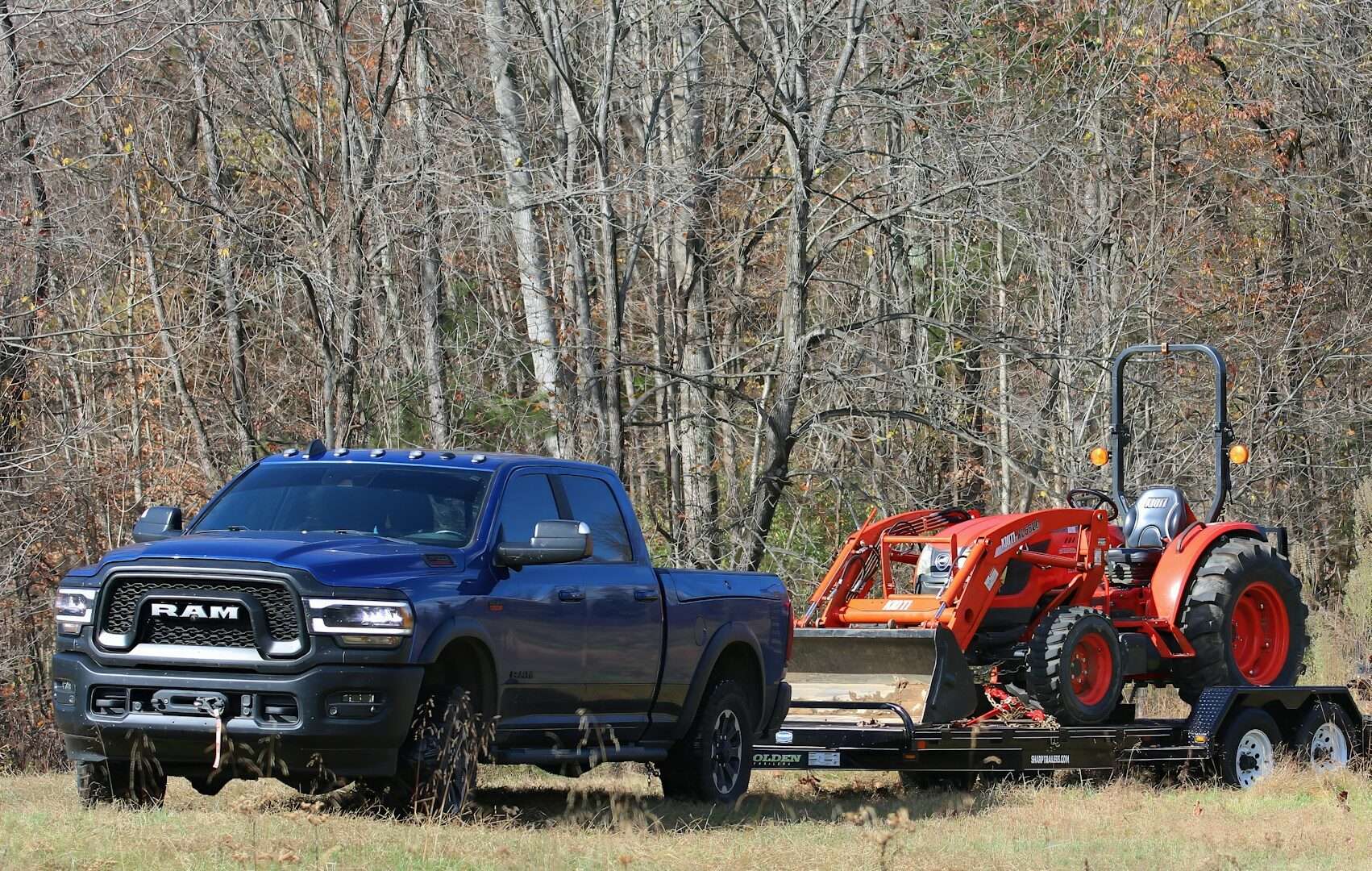
Pickup trucks are the backbone of the American vehicle market, serving as work tools, family haulers, and status symbols all at once. This hub is your evergreen guide to trucks: how to compare payload and towing, the differences between light- and heavy-duty, the rise of electric pickups, and what to know before buying new or used. The Auto Wire covers truck launches, reliability, recalls, and the buying realities behind the best-selling vehicles in the country. Use this page to understand the segment and connect to our reliability, safety, and EV coverage that increasingly shapes truck buying decisions.
Table of Contents
- Understanding the Pickup Truck Market
- Towing and Payload Explained
- Light-Duty vs. Heavy-Duty
- Gas, Diesel, and Electric Trucks
- Cabs, Beds, and Configurations
- Buying New vs. Used
- Truck Reliability and Recalls
- Latest News
- Related Guides
- Expert Resources
- Recommended Reading
- Frequently Asked Questions
Understanding the Pickup Truck Market
Pickup trucks are the best-selling vehicles in America, and the market spans an enormous range, from basic work trucks to luxury models that rival premium SUVs in price and comfort. Understanding where a truck fits in that spectrum is the first step to buying the right one, because a truck optimized for hauling gravel is a very different machine from one built to tow a boat in leather-lined comfort.
The big decisions come down to how you will actually use the truck: what you need to tow or carry, how many passengers you have, whether you drive off-road, and how much daily-driving comfort matters. Buying more capability than you need wastes money and fuel; buying too little leaves you stuck. Matching the truck to the job is everything.
Towing and Payload Explained
Towing and payload are the two capability numbers that matter most, and they are easy to confuse. Getting them right is a safety issue, not just a spec-sheet detail, because exceeding a truck’s limits strains the brakes, suspension, and drivetrain and can be genuinely dangerous.
Payload vs. Towing Capacity
Payload is the weight a truck can carry in the bed and cabin, including passengers and cargo. Towing capacity is the weight it can pull behind it on a trailer. They are separate limits, and they interact: the tongue weight of a trailer counts against payload, so a truck loaded with people and gear can tow less than its headline number suggests. Always account for both together.
Reading the Door Sticker
The most reliable source for your truck’s actual limits is the sticker on the driver’s door jamb, which lists the specific vehicle’s ratings rather than the best-case marketing figure for the model. Marketing numbers usually apply to a stripped-down configuration with the right options; your truck’s real numbers may be lower. When in doubt, trust the door sticker and the owner’s manual.
Light-Duty vs. Heavy-Duty
Trucks are broadly split into light-duty and heavy-duty classes. Light-duty trucks, like the familiar half-ton models, handle most everyday hauling, weekend projects, and moderate towing while remaining reasonable to drive daily. Heavy-duty trucks step up to serious towing and payload for big trailers, campers, and commercial work, at the cost of a stiffer ride, higher price, and more truck than most people need. Be honest about which category your real workload requires.
Gas, Diesel, and Electric Trucks
Trucks now come with three very different powertrains, each suited to different buyers. Gas engines are the affordable, familiar default. Diesels offer strong towing torque and highway efficiency at a premium. Electric trucks bring instant torque and low running costs but raise range questions, especially under load.
Diesel Considerations
A diesel engine shines when you tow heavy loads regularly, delivering abundant low-end torque and better fuel economy on long hauls. The trade-offs are a higher purchase price, costlier maintenance, and emissions systems that require attention. Diesel makes financial sense for high-mileage towers but rarely pays off for light, occasional use.
Electric Pickups
Electric pickups deliver instant torque, quiet operation, low fuel and maintenance costs, and useful features like power outlets and large storage where the engine used to be. The major caveat is range, which drops sharply when towing heavy loads, and a charging network that is still maturing for long hauls. For local use and light towing they are compelling; for long-distance heavy towing the technology is still catching up.
Cabs, Beds, and Configurations
Trucks are sold in a confusing array of cab and bed combinations, and the choice involves real trade-offs. Bigger cabs carry more passengers but usually come with shorter beds on a given wheelbase, while longer beds haul more but make the truck harder to park and maneuver. Think about your typical mix of people and cargo, since you generally cannot maximize both at once.
Buying New vs. Used
Trucks hold their value well, which cuts both ways: used trucks stay relatively expensive, but a new truck depreciates more slowly than most vehicles. A well-maintained used truck can be a smart buy, provided you check its history for signs of hard work, like heavy towing or commercial use, which accelerate wear. Inspect the frame, suspension, and drivetrain carefully on any used truck.
Truck Reliability and Recalls
Truck reliability varies significantly by brand, model, and powertrain, and the added complexity of diesel and electric systems introduces failure points that simple gas trucks avoid. Because trucks are often worked hard, maintenance history matters even more than usual. Checking a model’s recall record and known problem areas before buying can save you from inheriting an expensive, well-documented flaw.
Latest News
The latest pickup truck coverage from The Auto Wire updates automatically below, spanning new models, towing and capability, electric trucks, and reliability. Scroll to the Latest News feed for the most recent stories.
Related Guides
Trucks connect to several other areas of our coverage. These companion hubs go deeper on related topics:
- Vehicle Reliability — how trucks hold up under hard use.
- Car Recalls — defect campaigns affecting trucks.
- Electric Vehicles — including the new electric pickups.
- Automotive Technology — the tech inside modern trucks.
Expert Resources
For towing standards, specs, and safety data, these sources are good starting points:
- NHTSA Towing Safety — federal towing and trailering guidance.
- SAE J2807 — the standard behind tow-rating tests.
- EPA fueleconomy.gov — official efficiency data for trucks.
Recommended Reading
- Towing vs. Payload: The Numbers That Actually Matter
- Are Electric Pickups Ready to Tow?
- How to Inspect a Used Truck Before You Buy
Frequently Asked Questions
What is the difference between payload and towing capacity?
Payload is the weight a truck can carry in its bed and cabin, including passengers and cargo. Towing capacity is the weight it can pull on a trailer. They are separate limits that interact, since a trailer’s tongue weight counts against payload, so you have to account for both at once.
What is the best-selling pickup truck?
Full-size half-ton trucks from the major domestic brands have dominated U.S. sales for decades, with the best-seller title regularly trading among a small group of long-running nameplates. They sell in enormous numbers because they balance capability, comfort, and price for the widest range of buyers.
Are electric pickups worth it?
For local use and light towing, they are compelling, offering instant torque, low running costs, and handy features like onboard power. The main drawbacks are sharply reduced range when towing heavy loads and a still-maturing charging network. Whether one is worth it depends heavily on your towing needs and charging access.
What is the difference between light-duty and heavy-duty?
Light-duty trucks, such as half-ton models, handle everyday hauling and moderate towing while staying comfortable to drive. Heavy-duty trucks are built for serious towing and payload, with stronger frames and drivetrains, at the cost of a stiffer ride and higher price. Most buyers need only light-duty.
How much can a half-ton truck tow?
It varies by configuration, but modern half-ton trucks can typically tow somewhere in the range of 8,000 to 13,000 pounds when properly equipped. Always check the door-jamb sticker for your specific truck rather than the headline marketing figure, which usually reflects an ideal configuration.
Is a diesel truck worth the premium?
For drivers who tow heavy loads regularly or rack up high highway mileage, the extra torque and fuel efficiency can justify the higher purchase and maintenance costs. For light or occasional towing, the premium rarely pays off, and a gas engine makes more sense.
Which trucks are the most reliable?
Reliability varies by brand, model, and powertrain, and simpler gas trucks tend to avoid some of the issues that affect complex diesel and electric systems. Rather than relying on reputation, check current reliability data and the recall history for the specific model and year.
What truck cab configuration should I choose?
It depends on your mix of passengers and cargo. Larger cabs seat more people but usually pair with shorter beds, while longer beds haul more but reduce passenger space and make the truck harder to park. Pick the configuration that fits how you actually use the truck most often.
Do trucks hold their value better than cars?
Generally yes. Strong, steady demand for trucks means they tend to depreciate more slowly than most cars. That helps resale value on a new truck but also keeps used trucks relatively expensive.
How do I check a used truck before buying?
Inspect the frame, suspension, and drivetrain for signs of hard use or towing wear, review the maintenance and recall history, and check for evidence of commercial or off-road abuse. A pre-purchase inspection by a trusted mechanic is well worth the cost on any used truck.
Latest News (Auto-Updating)
-
Half a Million Ford Edges May Be Drowning Their Own Engines — And Technically, No One’s Investigating Yet
Ford’s Edge has been dead since 2024. No factory builds it, no dealer orders one, and no marketing budget defends it. That makes what just happened in Washington a little strange: the federal government agreed this month to take a fresh look at nearly half a million of them over an engine that may be…
-
GM Bragged About Inventing Brake-By-Wire. Regulators Expanded a Federal Probe Into It One Day Later.
On August 20, General Motors’ own newsroom published a nostalgic technical retrospective crediting the doomed 1990s EV1 with inventing brake-by-wire, a system GM once called the world’s most efficient and intelligent stopping system. One day later, federal regulators expanded a defect investigation into 1.16 million GM-built vehicles running the modern descendant of that same technology.…
-
A New Bill Wants To Study China’s Grip On The Auto Industry — Congress Might Want To Check The Showroom Floor First
Congress wants to know how deep China’s fingers are in the American auto industry. It’s a fair question. It’s also one the federal government has already spent the better part of a year answering, in documents with actual deadlines attached, while this new bill can’t set one until 2028. On August 28, Representatives Diana Harshbarger…
-
Ford Recalls 10,001 Vehicles Over Cracked Pistons in an Engine Shared By Five Very Different Cars. The Fix Isn’t Coming Until December.
Ford’s newest recall covers just 10,001 vehicles, a rounding error next to the 148,663 Mustangs the company flagged for a wiring defect the very same week. But look at the model names on this one: Explorer, Bronco, Bronco Sport, Mustang, and Ranger. A three-row family crossover, two unrelated off-roaders, a rear-drive sports car, and a…
-
A Banned Airbag Part Just Killed Its 11th Person — Because You Can’t Recall a Crime
Banning a part and recalling a part sound like the same government action wearing two different hats. They are not. On August 27, in Dallas, that distinction got someone killed. A 2018 Chevrolet Equinox crashed hard enough to trigger its driver’s air bag, and instead of cushioning the driver, the inflator detonated, throwing metal fragments…
-
Ford Only Recalled Two Trucks For This Brake Failure. NHTSA Wants To Know About The Other 82,040.
Ford has already fixed this exact brake failure once. The fix covered two trucks. Now the National Highway Traffic Safety Administration is reviewing whether the same failure mode – intermittent loss of anti-lock braking and regenerative braking – shows up in 82,040 more of them. All 2024 Ford Maverick Hybrids. All built on hybrid hardware…
-
Uber Cut 3,300 Jobs the Same Day It Put Driverless Mustangs on London’s Streets. That’s Not a Coincidence.
On September 2, Uber’s newsroom quietly published two stories within hours of each other. One announced that roughly 3,300 people were losing their jobs. The other announced that Londoners could now hail a Ford Mustang Mach-E with nobody meaningfully driving it. Read separately, they’re unrelated news items. Read together, they’re the same story. CEO Dara…
-
Ford And Stellantis Sued The Same Dealer Over $18 Million. The Real Victim Just Traded In A Jeep
Ford Motor Credit and Stellantis Financial Services don’t agree on much. They compete for the same buyers, the same dealer floor space, and the same slice of America’s new-car business. But this spring, both companies filed lawsuits, days apart, against the same tiny dealership group in eastern Iowa, and for a few months they were…
-
Watch: A Corvette Driver Hit 156 MPH Fleeing Police, Crashed, and Bragged He’d ‘Buy Another One.’ He’s Missing the Actual Bill
The thing that ended a 156-mph run through two states wasn’t a faster patrol car, a spike strip, or even the crash. It was a sticker. Jayden Atreeyian Smith’s Corvette was riding on registration tags that had expired back in March, hidden under a license plate cover, on Interstate 55 near Blytheville, Arkansas. That’s what…
-
Ford’s Best-Selling Truck Just Had Its Worst Month in Four Years — Because Ford Wouldn’t Sell It
Ford Ranger was Australia’s best-selling new vehicle for three straight years, and this year opened right on schedule: on top in January, February, and March. Then August happened. The Ranger fell to fifth. Not because buyers walked away. Because Ford wouldn’t let them. That distinction matters more than the sales chart itself. The Ranger’s August…
-
Ford’s F-150 V8 Has Had a Drinking Problem Since 2018 — And It Never Once Triggered a Recall
A federal judge in Michigan just let a class-action lawsuit over oil-hungry F-150s keep moving toward trial, and most of the coverage is treating it like a story about bad piston rings. It isn’t, really. The interesting part isn’t that a truck engine burns oil. It’s that Ford, according to the court, may have known…
-
Werner Trucking’s 1,400-Veteran Pledge to the White House Isn’t Even Its Biggest — That Was 2018
Werner Enterprises stood next to representatives of the White House on July 30 and pledged to hire 1,400 military veterans and veteran spouses in 2027. The Department of Transportation is treating that number as proof its new veteran-trucking push is already working. Take a closer look at Werner’s own paperwork, though, and the number stops…