22 Jul 2026, Wed

Ford Fired a Diabetic 11-Year Veteran Over a $1.95 Cookie He Actually Paid For

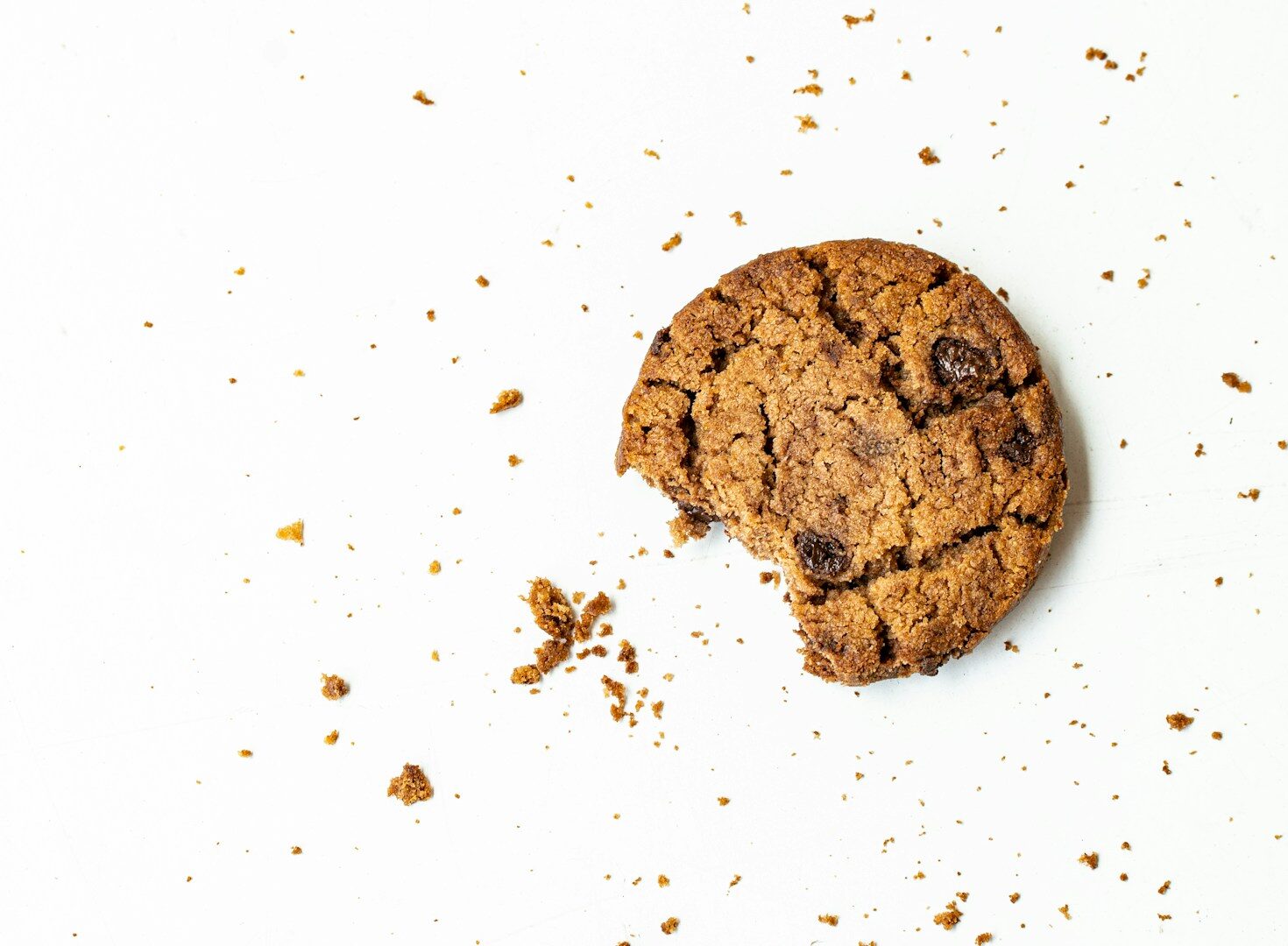
brown round cookie on white surface

Imagine grinding out 11 years at one of America’s most brutal factories, then getting your entire career vaporized over a chocolate chip cookie. Not a case of cookies. One cookie. A $1.95 Grandma’s cookie that — plot twist — was actually paid for.

According to reporting from Shifting Gears, that is the genuinely unhinged saga of Kurt Kromm, a 60-year-old UAW member at Ford’s Kentucky Truck Plant in Louisville, who says he was escorted out by security and branded a thief over a single break-room snack. The plant in question, by the way, is the same one stamping out Super Duty pickups, the seven-thousand-pound work trucks Ford loves to brag about. You’d think a company building rigs that big could shrug off a $1.95 discrepancy. You’d be very, very wrong.

How a Diabetic Snack Became a Firing Offense

Here’s the setup. Kromm is diabetic, and around 3:30 a.m. on a Saturday shift his blood sugar cratered. So he shuffled to the break room to grab a cookie from an Aramark self-checkout kiosk. The first machine did what self-checkout does best and choked, flashing a failed transaction. Undeterred, he walked to a second kiosk, paid, ate the cookie, and went back to work like a functioning adult.

A week later came the tap on the shoulder. Kromm says he sat in the labor office for half an hour before a union bargainer walked in and delivered the line of the century: they had him on video stealing a cookie. Stealing. A cookie. On video — the exact surveillance firepower you’d hope was aimed at whoever’s actually stripping wheels off Ford trucks, pointed instead at a diabetic man and his crumbs.

“First you tell me I’m a thief and then you tell me I’m a liar,” Kromm said, before pulling up his bank statement and pointing to the $1.95 charge sitting right there, paid in full. Nobody at Ford appears to have checked that one detail before marching an 11-year veteran out the door.

He Wasn’t the Only One

Kromm wasn’t alone, either. A 34-year electrician at the plant says the Aramark kiosks are notorious for eating payments, and that other workers got let go over a $2 drink under the same pattern. Kromm just happened to be the one stubborn enough to keep his receipts and fight back — which is the practical lesson buried in this story for anyone dealing with a flaky point-of-sale terminal at work: screenshot the failed transaction, keep the bank statement, and don’t assume a machine error will resolve itself in your favor once it’s someone else’s word against yours.

The Walk-Back

After Kromm sent over notarized bank statements, Ford confirmed the payment with Aramark, offered him his job back, and cut him roughly $28,000 in back pay for five lost weeks — reportedly about five grand short of what the union had promised. Ford’s official statement amounted to a spokeswoman conceding that there are times when the company looks into things and realizes they could’ve been handled differently. Corporate-speak for our bad.

Kromm passed on the reunion. He took a new job back in his hometown of Kenosha, Wisconsin, and says he’ll only return to Louisville to grab the tools Ford made him leave behind. The automaker reportedly agreed to change its policy so workers get suspended over suspicious kiosk activity instead of fired outright — a fix that only cost the company one good employee, a pile of back pay, and a fat PR black eye.

Why This Is Bigger Than One Cookie

Strip away the absurdity and this is a story about what happens when workplace surveillance gets treated as infallible. A kiosk flags a transaction, and instead of that flag triggering a basic reconciliation against payment records, it triggers a termination. For a union shop, that’s also a grievance-procedure failure: the collectively bargained protections that are supposed to slow down a rash firing didn’t catch an error this easy to verify until Kromm did the verifying himself. The lesson for any hourly worker watching this play out somewhere else: theft accusations built on automated systems deserve exactly the same scrutiny as the humans making the accusation, and the paper trail is your leverage.

Source: Shifting Gears

By Elizabeth Puckett

Elizabeth Puckett is a dynamic and skilled automotive writer, known for her deep understanding of the car industry and her ability to engage readers. Elizabeth's articles often reflect her keen insight into car culture and her appreciation for automotive history.

Join the conversation

No comments yet — be the first to share your take.

Your email address will not be published. Required fields are marked *