
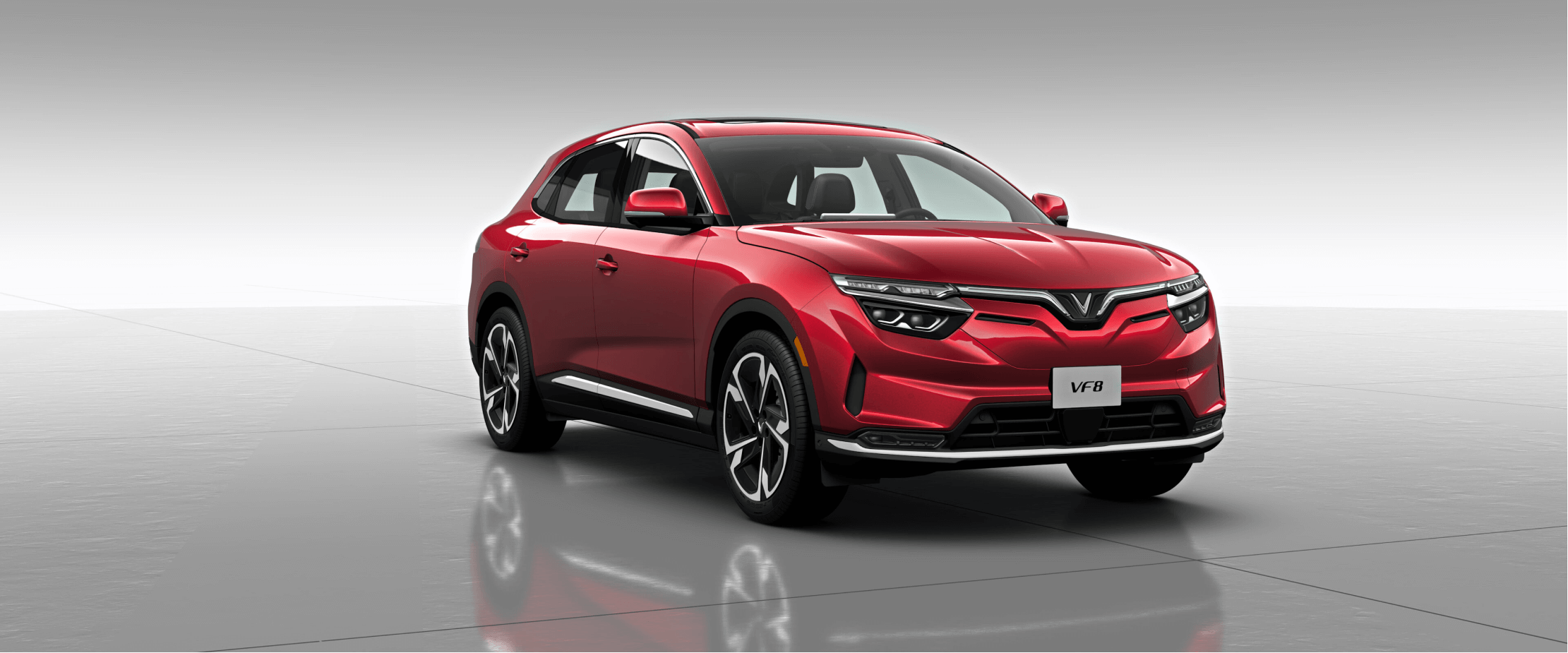
VinFast wants to sell you a self-driving car that doesn’t need the expensive parts everyone else insists are mandatory. That’s the pitch behind its tie-up with Autobrains, the Tel Aviv AI outfit VinFast has partnered with. Together they’re building what the two companies call “L2++” driver assistance and a bare-bones autonomy stack they’ve branded “Robo-Car.” Before you get excited, let’s unpack what’s real here, what’s marketing, and what it means if you’re the one signing the finance paperwork.
Start with that “L2++” label, because it’s doing a lot of quiet work. The SAE — the body that actually defines these things — recognizes Levels 0 through 5. There is no Level 2-plus, and there’s certainly no Level 2-plus-plus. Those are industry inventions used to describe a fancier version of Level 2. Think more capable lane centering, smoother adaptive cruise, maybe hands-off highway cruising. But legally and functionally, it’s still Level 2. The human is driving. You are responsible for what the car does, full stop, no matter how many pluses the brochure stacks on. That distinction isn’t pedantry. It’s the entire basis of who pays when something goes wrong, and it doesn’t change until a system is certified Level 3 or higher and a regulator signs off. VinFast’s current lineup already runs Level 2 assistance. The VF 8 and VF 9 are the pilot mules for the upgraded version.
Related Articles
- A Wasilla Diesel Mechanic’s Pardon Exposes the EPA’s Cold-Weather Blind Spot
- Brussels Says Its Car Industry Is in ‘Mortal Danger.’ It Left Out Who Loaded the Gun
The genuinely interesting engineering is the Robo-Car concept. VinFast and Autobrains describe a system built on seven production cameras and a compact chip pushing roughly 20 trillion operations per second. There’s no LiDAR, no radar arrays, and no high-definition maps. Instead of pre-mapping every street in laser-scanned detail, it uses what Autobrains calls Air-to-Road localization. That fuses live camera feeds with satellite imagery to figure out where the car is.
Two things are worth knowing here. First, 20 TOPS is modest. High-end autonomy chips are measured in the hundreds or thousands of TOPS. So the whole premise rests on Autobrains’ “Agentic AI” doing more with less — spinning up specialized software agents only when a driving situation calls for them, rather than running one giant neural net full-time. If it works as claimed, that’s a legitimately clever way to cut compute cost. Second, ditching LiDAR and radar is a real trade, not a free lunch. Cameras are cheap and information-rich, but they struggle in heavy rain, fog, glare, and darkness. Those are exactly the conditions where radar earns its keep. Tesla went camera-only and has spent years absorbing scrutiny over it. VinFast is betting the same direction, and Vietnamese monsoon season will be an honest test.
What This Means for Your Wallet
For owners, the sensor-deletion story cuts both ways on cost. Fewer exotic sensors means cheaper collision repairs. You’re not replacing a several-thousand-dollar roof-mounted LiDAR or recalibrating a radar module after a parking-lot tap. But a camera-dependent car still needs those cameras aimed perfectly. A windshield replacement or front-end repair means ADAS recalibration, and that bill has quietly become one of the more annoying line items in modern collision work.
Here’s where it gets murky, and where a little skepticism pays off. In January, the story was camera-only, low-compute, no-LiDAR affordability. By June, at NVIDIA’s GTC event in Taipei, VinFast and Autobrains announced a program to build Level 4 robotaxis for Southeast Asia on NVIDIA’s DRIVE Hyperion platform. That’s a sensor-rich, high-compute reference architecture, basically the opposite of a seven-camera econobox brain. So which is it? The honest read is that these are two different projects wearing similar branding. One is a cost-first driver-assist stack destined for consumer VinFasts. The other is a heavier, Hyperion-based robotaxi fleet meant to actually remove the driver. VinFast’s deputy CEO for ADAS summed up the ambition with “Advanced mobility shouldn’t be a luxury” — a nice line, though Hyperion hardware isn’t cheap.
Related Articles
- Robotaxis Keep Driving Into Fire Scenes, and Washington Just Admitted There’s No Rule Against It
- Stellantis, Wayve, and Uber’s Robotaxi Deal: What’s Real and What’s Hype
There’s also a corporate wrinkle worth flagging. VinFast isn’t just Autobrains’ customer. It’s one of its investors, sitting alongside names like BMW i Ventures, Toyota Ventures, Continental, and Temasek. That’s common in the AV world, but it means VinFast is partly validating a supplier it has money in.
The practical takeaway for buyers and shoppers: treat “L2++” as enhanced cruise control with good manners, not as a car that drives itself. That’s what it legally is. If you’re eyeing a future VinFast partly for its autonomy story, understand something important. The real self-driving piece — the Level 4 robotaxi work — is a separate program. It runs on entirely different hardware, aimed at fleets, and gated behind regulatory approvals that most of Southeast Asia hasn’t written yet. The consumer version and the robotaxi version share a name and a software partner, and not much else. Everything else is still in the testing phase, which is exactly where autonomy promises tend to live longest.