
Electric Vehicles
Introduction
Electric vehicles have moved from novelty to mainstream, and the questions buyers ask have shifted from whether they work to which one is right for them. This hub is your evergreen guide to EVs: how they work, what range and charging really mean day to day, total cost of ownership, battery longevity, and the incentives and infrastructure shaping adoption. The Auto Wire tracks new models, charging networks, policy changes, and the occasional reality check. With hundreds of EV-tagged stories behind it, this page aggregates our coverage of Tesla, legacy automakers, and startups into one place, and links out to the safety, reliability, and technology topics that matter most to electric ownership.
Table of Contents
- How Electric Vehicles Work
- EV Range and Real-World Driving
- Charging: Levels, Networks, and Speeds
- Battery Health and Longevity
- EV Total Cost of Ownership
- Incentives, Tax Credits, and Policy
- EVs vs. Hybrids vs. Gas
- Latest News
- Related Guides
- Expert Resources
- Recommended Reading
- Frequently Asked Questions
How Electric Vehicles Work
An electric vehicle replaces the gasoline engine and its hundreds of moving parts with a battery pack, one or more electric motors, and a controller that manages the flow of power. Press the accelerator and the controller draws energy from the battery to spin the motor, which drives the wheels directly. There is no spark plug, no oil to change, and usually no multi-speed transmission, which is why EVs feel so smooth and respond instantly.
That mechanical simplicity is the headline advantage. Fewer moving parts means fewer things to wear out, and regenerative braking, which uses the motor to slow the car and recover energy, reduces wear on the brakes themselves. The complexity in an EV lives mostly in the software and the battery chemistry, which is where the engineering, and the cost, has shifted.
EV Range and Real-World Driving
Range is the number that worries most first-time buyers, and it is also the most misunderstood. The figure on the window sticker is a lab estimate; what you actually get depends on speed, temperature, terrain, climate-control use, and how heavy your right foot is. Highway driving, counterintuitively, often drains an EV faster than city driving, because regenerative braking recovers little energy at a steady cruise.
EPA Range vs. Reality
In the United States, the EPA range estimate is meant to reflect mixed driving, and many EVs land reasonably close to it in moderate conditions. But sustained high-speed highway travel can cut real-world range noticeably below the rating. A useful rule of thumb is to plan road trips around roughly 70 to 80 percent of the EPA number and treat anything better as a bonus.
Cold Weather and Range Loss
Cold weather is hard on EVs. Batteries are less efficient in low temperatures, and heating the cabin draws meaningful power since there is no waste engine heat to borrow. Drivers in cold climates can see range drop by 20 to 30 percent on the worst days. Preconditioning the car while it is still plugged in, and using a heat pump if the vehicle offers one, claws back a good portion of that loss.
Charging: Levels, Networks, and Speeds
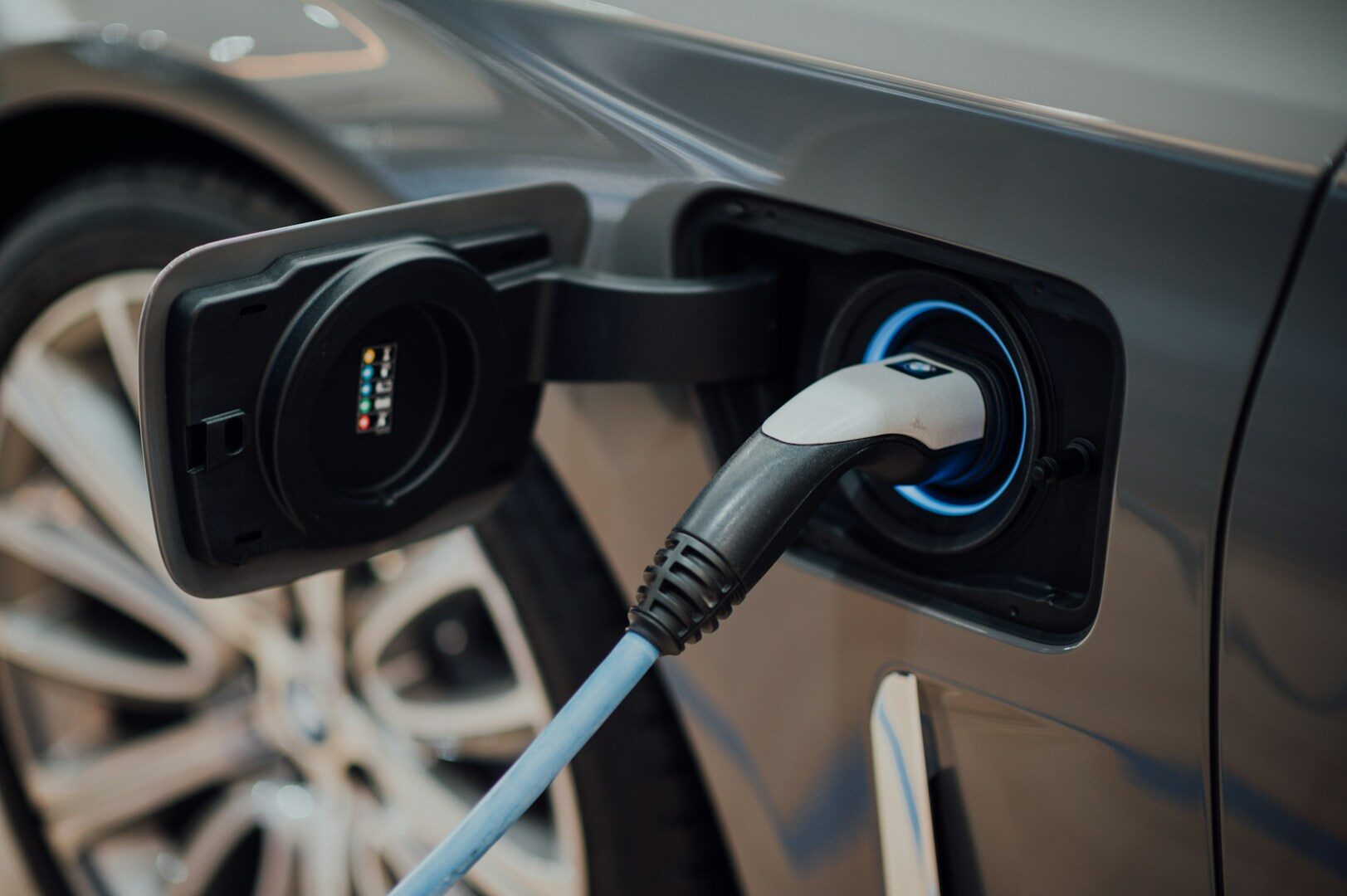
Charging is where EV ownership differs most from the gas-station routine, and understanding the basics removes most of the anxiety. The speed at which an EV charges depends on the equipment you plug into and the car’s own maximum charge rate. For most owners, the majority of charging happens at home, overnight, with public fast charging reserved for road trips.
Level 1, 2, and DC Fast
Level 1 is a standard household outlet: slow, adding just a few miles of range per hour, but fine for plug-in hybrids or low-mileage drivers. Level 2 uses a 240-volt circuit, the kind that runs a dryer, and can fully charge most EVs overnight, making it the sweet spot for home charging. DC fast charging is the public road-trip option, capable of adding a large chunk of range in 20 to 40 minutes, though charging slows as the battery fills past about 80 percent.
Home vs. Public Charging
If you can charge at home, EV ownership is genuinely convenient: you leave every morning with a full battery and rarely think about it. Drivers who rely on public charging, including many apartment dwellers, have a different experience, one shaped by network reliability, pricing, and availability. The public charging landscape is improving as networks expand and more automakers adopt a common connector, but it is worth honestly assessing your charging situation before you buy.
Battery Health and Longevity
The fear that an EV battery will die like a phone battery after two years has not borne out. Modern EV packs are managed by software that protects them, and real-world data shows most lose only a small percentage of capacity over many years and tens of thousands of miles. Manufacturers typically warranty the battery for eight years or 100,000 miles, often guaranteeing it will retain most of its capacity over that period.
You can extend battery life with a few habits: avoid routinely charging to 100 percent unless you need the range, avoid letting it sit at very low charge, and lean on slower home charging rather than constant DC fast charging. The good news is that the car’s own software handles most of this for you, and battery degradation is rarely the dramatic problem skeptics expect.
EV Total Cost of Ownership
The sticker price of an EV is only part of the story. Electricity is generally cheaper per mile than gasoline, especially when charging at home, and EVs need far less routine maintenance, with no oil changes and reduced brake wear thanks to regenerative braking. Over several years, those savings can offset a higher purchase price.
The other side of the ledger includes potentially higher insurance costs, the price of installing a home charger, and steeper depreciation on some models. Whether an EV saves you money depends heavily on your electricity rates, how much you drive, and whether you qualify for incentives. It pays to run the numbers for your own situation rather than trusting a blanket claim in either direction.
Incentives, Tax Credits, and Policy
Government incentives can significantly change the math on an EV purchase, but they are also a moving target. Federal tax credits, state rebates, and utility programs have come and gone and changed eligibility rules based on factors like vehicle price, where the car and its battery were made, and buyer income. Some credits can now be applied at the point of sale rather than waiting until you file taxes.
Because policy shifts frequently and varies by location, treat any incentive as something to verify before you count on it. Check the current federal rules and your state and local programs at the time of purchase, since what was true last year may not hold today.
EVs vs. Hybrids vs. Gas
There is no single right answer to the EV-versus-hybrid-versus-gas question; the best choice depends on how and where you drive. A full EV makes the most sense if you can charge at home and your daily driving fits comfortably within its range. A hybrid or plug-in hybrid is a strong middle path for drivers who take long trips, lack reliable charging, or want to dip into electric driving without committing fully.
Gas still has the edge in upfront cost, refueling speed, and long-haul convenience in areas with thin charging coverage. The trend lines clearly favor electrification over time, but buying the right car today means matching the technology to your actual life, not to where the industry says it is heading.
Latest News
The latest electric-vehicle coverage from The Auto Wire updates automatically below, spanning new models, charging, batteries, incentives, and the policy fights shaping the transition. Scroll to the Latest News feed for the most recent stories.
Related Guides
Electric vehicles connect to nearly everything else we cover. These companion hubs go deeper on the most closely related topics:
- Automotive Technology — the software, connectivity, and data side of modern cars.
- Vehicle Reliability — how EVs hold up over time.
- Car Safety — crash protection and driver assistance.
- Fastest Cars — including the electric performance era.
- Car Recalls — including software-driven fixes.
Expert Resources
For primary data and independent information, these official and authoritative sources are good starting points:
- EPA fueleconomy.gov — official range, efficiency, and cost-to-own data.
- DOE Alternative Fuels Data Center — charging infrastructure and policy resources.
- PlugShare — a crowd-sourced map of public charging stations.
Recommended Reading
- Porsche Kills the Electric 911 (Wire Rundown)
- Jim Farley Thinks Your Car Is Too Dumb
- EV Charging Network Coverage
Frequently Asked Questions
How far can an electric car really go on one charge?
Most new EVs are rated between roughly 200 and 350 miles, with some premium models exceeding that. In real-world driving, expect to get somewhat less than the EPA rating, especially at highway speeds or in cold weather. Planning around 70 to 80 percent of the rated figure is a safe approach for trips.
How long does it take to charge an EV?
It depends entirely on the charger. A standard home outlet (Level 1) adds only a few miles per hour. A 240-volt Level 2 home charger fully charges most EVs overnight. A public DC fast charger can add a large amount of range in 20 to 40 minutes, though it slows down as the battery nears full.
How long do EV batteries last?
Most EV batteries are expected to last well over a decade and are typically warrantied for eight years or 100,000 miles. Real-world data shows they lose capacity slowly, retaining most of their range over many years. Outright battery failure is uncommon and usually covered under warranty.
Are electric cars cheaper to own than gas cars?
Often, but not always. EVs usually cost less to fuel and maintain, with no oil changes and reduced brake wear. Those savings can offset a higher purchase price over time, but the result depends on your electricity rates, mileage, insurance, and any incentives you qualify for. Running the numbers for your own situation is the only reliable way to know.
Do EVs lose range in cold weather?
Yes. Cold reduces battery efficiency, and heating the cabin uses significant energy. Range can drop 20 to 30 percent on very cold days. Preconditioning the car while it is plugged in and using a heat pump, if equipped, recovers much of that loss.
Can I charge an EV at home with a regular outlet?
Yes, but slowly. A standard outlet (Level 1) only adds a few miles of range per hour, which may be enough for low-mileage drivers or plug-in hybrids. Most EV owners install a 240-volt Level 2 charger, which can fully charge the car overnight.
Are EVs more reliable than gas cars?
EVs have far fewer moving parts, which removes many common mechanical failure points. However, reliability varies by brand and model, and some EVs have had issues with software, electronics, and build quality. As a category EVs show promise, but it is still worth checking the track record of the specific model you are considering.
What happens to EV batteries at end of life?
When a battery no longer holds enough charge for the road, it often still has plenty of capacity for stationary uses like grid or home energy storage, a growing second-life market. Beyond that, batteries can be recycled to recover valuable materials such as lithium, nickel, and cobalt, and recycling capacity is expanding to meet demand.
Are federal EV tax credits still available?
EV incentives change frequently and depend on factors like vehicle price, where the car was built, and buyer income, with rules that have shifted from year to year. Because eligibility is a moving target, always verify the current federal, state, and local programs at the time you buy rather than relying on older information.
Is it harder to find charging on a road trip?
It requires more planning than finding a gas station, but the situation is improving quickly. Fast-charging networks are expanding, and the industry’s move toward a common connector is making more chargers accessible to more vehicles. On well-traveled routes it is usually manageable; in remote areas it still pays to map your stops in advance.
Latest News (Auto-Updating)
-
Gas-Only Cars Just Dropped Below Half of Global New-Car Sales. Meanwhile, Americans Get $4.35 Gas and No EV Credit.
Gasoline-only models fell to 49% of global new-vehicle sales in the first half of 2026. In the U.S., gas is $1.23 a gallon higher than a year ago and the federal EV credit is gone.
-
Police Say a Gunman Killed a Man in a Tesla at an Idaho Supercharger, Then Tesla Let Drivers Flee Plugged In — at Up to $25K in Damage
Tesla’s new Emergency Drive Away lets drivers leave a Supercharger still plugged in. Tesla says the damage can reach $25,000, and its own rules ban breakaway devices.
-
Your Car’s Phone App Roughly Doubled Its Ad-Tracker Exposure. Owners Can Switch Off Some of It
Northeastern researchers found that pairing a companion app roughly doubled a car’s exposure to advertising and tracking companies. Phone settings and privacy requests can cut some of that back. None of them is an off switch.
-
Audi’s EV Patent Calls for Real Motor Noise, Fake Gearshifts and Sparks Ground Off the Pavement
Audi’s German patent application would hard-mount an EV’s motor, strip its soundproofing, simulate gearshifts and turbo lag, and grind a sacrificial metal part on the road for sparks.
-
Tesla Doubled Its Ballarat Supercharger Site. About a Week Later, Someone Cut All 20 Cables.
Twenty Supercharger cables were cut at one Ballarat site days after Tesla expanded it. Selling the copper legally in Victoria means showing ID.
-
To Escape an Alleged Knife Attack, a Surrey Man Rode on the Outside of a Stranger’s Reversing Tesla
Video from the Tesla’s driver shows the car pulling away in reverse at 24 km/h while the man police say was being chased with a knife held onto the open passenger door.
-
Tesla Owes NHTSA 21 Cybercab Answers Today. Zoox’s Version Took Three Years.
NHTSA’s Special Order asks how a car with no wheel, pedals or mirrors meets driver-era safety rules, and whether removable controls figured in its certification. Zoox’s file shows where the answers may lead: an exemption capped at 2,500 cars a year.
-
Norway Sealed a Chinese Bus Inside a Mountain to Find Its Kill Switch. A Romanian SIM Card Was Holding It.
Oslo’s transit agency sealed a Yutong electric bus inside a mountain and found its maker could reach the power system through a Romanian SIM card. Here is what the test proved, why the fleet stayed on the road, and the weight limit the Senate just wrote into its Chinese car ban.
-
Your EV Accidentally Jams AM Radio. The House Just Voted to Make Automakers Keep It Anyway.
The House passed the AM Radio for Every Vehicle Act. The real target is the electrical noise EVs make, and the law comes with an eight-year expiration date.
-
Diesel Just Hit a Record $6.53. Before You Panic-Buy an EV, Read the Window Sticker.
Diesel hit a record $6.53 a gallon, but the lasting case for an EV is price. The EV premium fell to 9.4% from 16% even as incentives shrank. Here is the math, at today’s fuel prices and next year’s.
-
A Tesla Driver’s iPhone Called 911 on Its Own After He Crashed. Deputies Say He Didn’t Stick Around.
A Tesla hit a light pole and two trees inside the Miromar Lakes community in Lee County, Florida, a little after 9:30 p.m. on Sunday, Sept. 20, and the first call to 911 came from the driver’s iPhone without anyone dialing it. When Lee County Sheriff’s deputies arrived, the debris had been cleaned up and…
-
Ford Patented a Hood That Folds Into a Workbench. It Still Has to Crumple.
Ford’s pending patent folds part of the hood forward into a work surface at bench height. The revealing detail is that the tabletop still has to crumple, and what that says about frunk economics.