
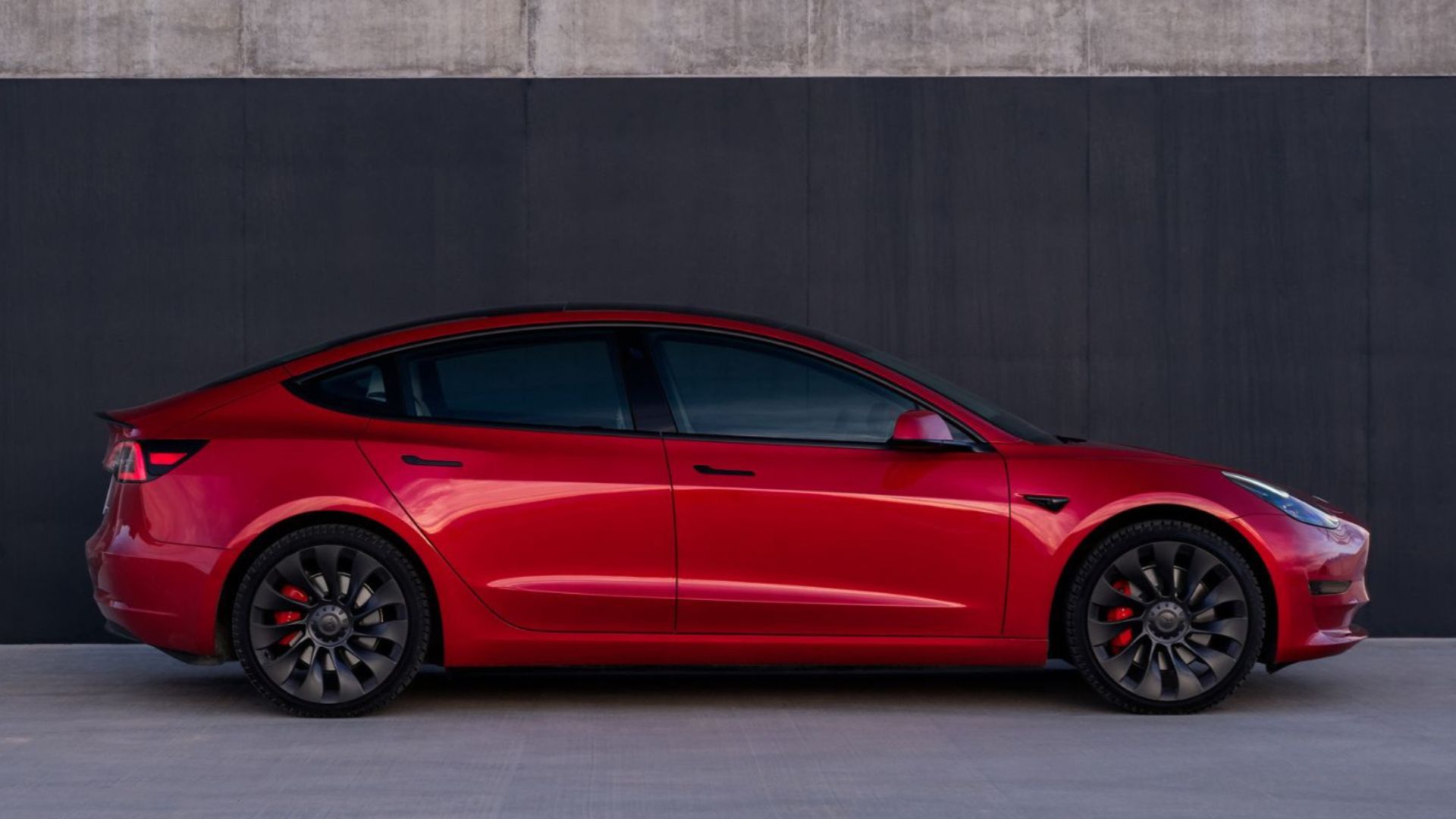
Theft data comparing major vehicle brands shows that Tesla models experience substantially lower theft rates than most comparable vehicles, a difference that insurance companies and security researchers attribute primarily to the combination of GPS tracking integration, over-the-air software capabilities, and the difficulty of operating a stolen Tesla without an authorized account.
Traditional vehicle theft has long relied on either key cloning, hotwiring, or relay attacks. Tesla’s architecture requires account authentication for most vehicle functions, and the cars continuously report their location to both the manufacturer and the owner through the Tesla app. This makes it difficult to use a stolen Tesla without detection and easy to recover one if theft does occur.
The Sentry Mode camera system provides an additional deterrent, as potential thieves are aware that approach and attempted entry are being recorded. Several Tesla thefts have been solved within hours because the vehicle’s own cameras captured clear footage of the perpetrators.
Insurance industry data reflects the security advantages, with some insurers applying lower comprehensive premium rates to Tesla models compared to conventional vehicles of similar value, acknowledging the statistical theft rate difference.
Security researchers note that the approach is not theft-proof — flatbed transport and other techniques can move a vehicle without driving it — but the barrier to traditional opportunistic theft is substantially higher than for most competing vehicles.
Related Articles
- J.D. Power Data Shows EV Owners Are Significantly Less Happy With Service Than ICE Vehicle Owners
- Cybertruck Theft Leads To An Arrest In Delaware
- Cyclist Kicks Tesla Mirror Off, Gets Caught by the Car’s Own Cameras
- Hyundai Elantra Was 2025’s Most Stolen Vehicle, Theft Data Shows