
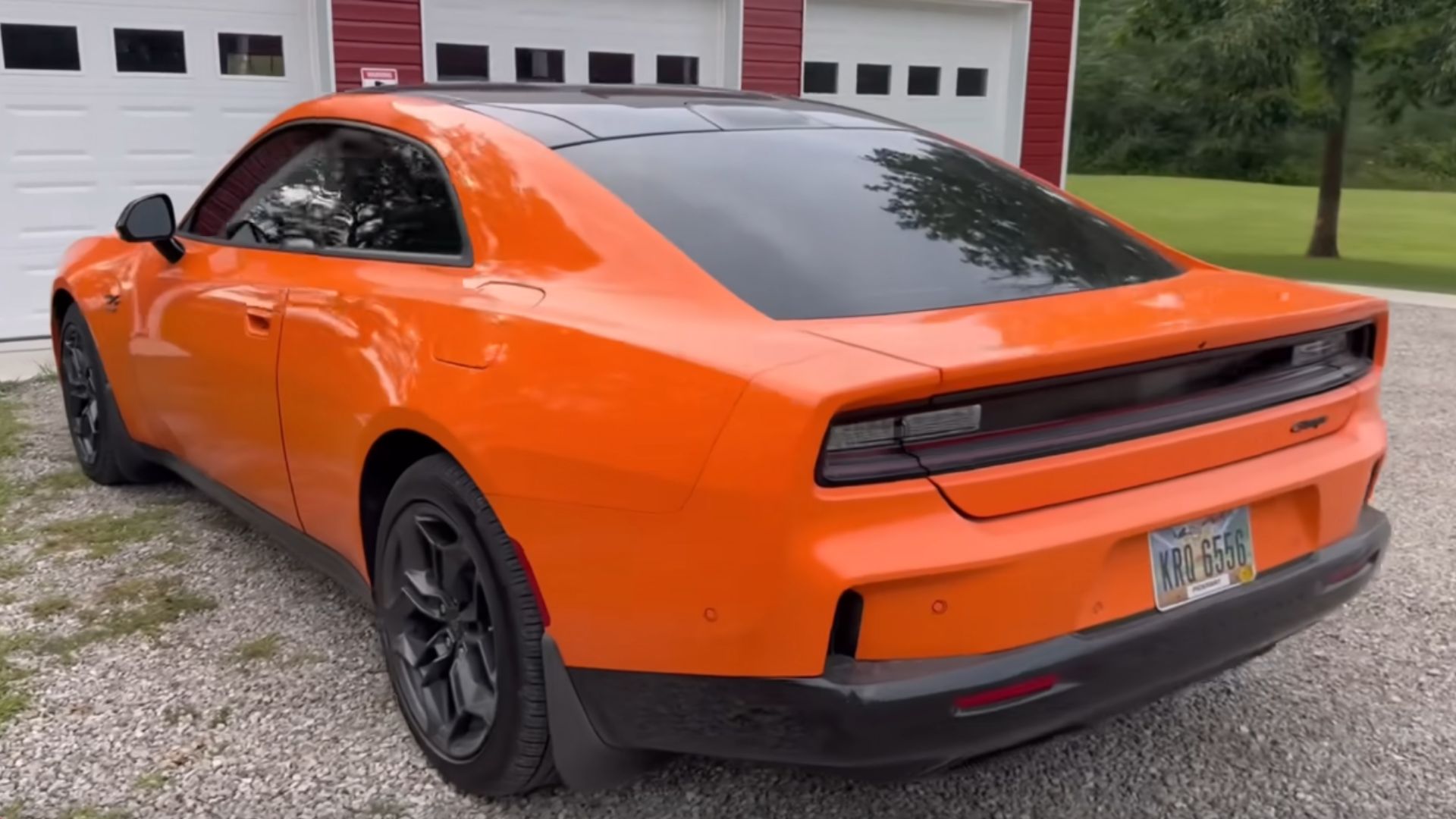
The Dodge Charger Daytona EV launched with considerable fanfare as the brand’s audacious attempt to bring muscle car identity into the electric era, but it has struggled to convert that initial attention into sustained sales momentum among the performance car buyers it was designed to attract.
The reasons are multiple and reveal a fundamental tension in translating a cultural archetype built around internal combustion into an electric format. The original Charger’s appeal was inseparable from the exhaust note, the tactile feedback of a manual gearbox option, and the specific character of a big V8 under hard acceleration — sensory experiences that electric powertrains cannot replicate regardless of how much horsepower they produce.
Dodge attempted to address this with an artificially generated exhaust sound system called Fratzonic Chambered Exhaust, which produced amplified sound through external speakers. The reception was mixed at best, with many enthusiasts finding the system more gimmicky than satisfying compared to the genuine article.
Pricing also became a friction point. The Charger Daytona EV carries a price tag that positions it above many comparable performance vehicles from competing brands, a premium that requires buyers to accept both the electric powertrain format and a higher cost of entry.
The vehicle is not without merit on objective terms — its performance figures are competitive — but sales data suggests that merit alone has not been sufficient to overcome the cultural resistance of the buyer segment Dodge most wanted to reach.
Comments are closed.