
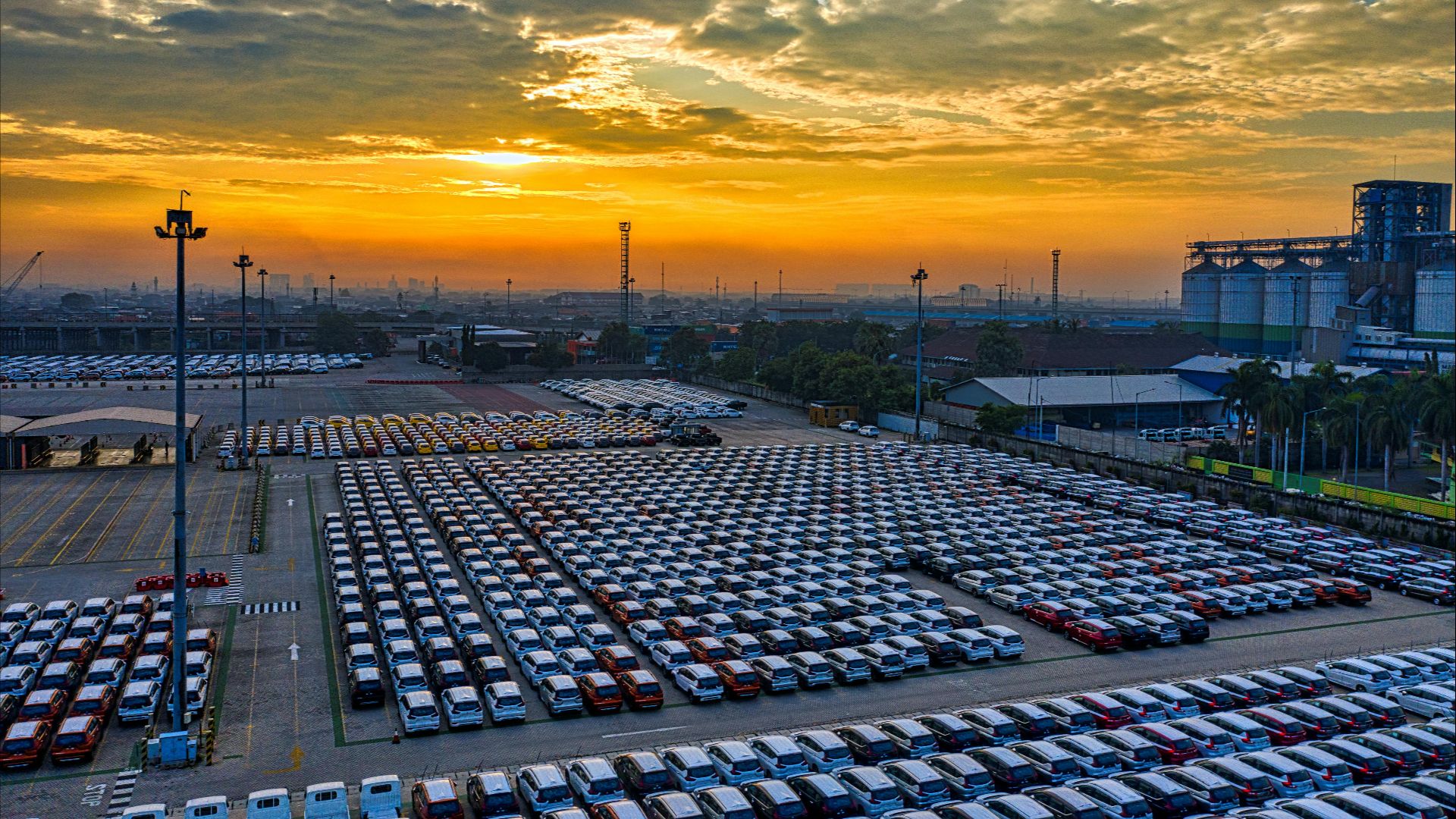
Buying a new car in the U.S. has become significantly more expensive, with average transaction prices now crossing $50,000 for the first time.
A New Record High
According to data from Kelley Blue Book, new vehicle prices reached an average of $50,080 in September, marking the first time that figure has surpassed the $50,000 threshold. The increase represents a 3.6% jump compared to the same period last year, driven in part by strong demand for luxury vehicles and electric models among higher-income buyers.
Eighth Victim Confirmed in Fiery I-85 Crash That Killed Entire Georgia Family; Truck Driver Charged
Wealthier Buyers Driving the Market
“The $20,000-vehicle is now mostly extinct, and many price-conscious buyers are sidelined or cruising in the used-vehicle market,” said Erin Keating, executive analyst at Cox Automotive. “Today’s auto market is being driven by wealthier households who have access to capital, good loan rates and are propping up the higher end of the market.”
Tariffs Are Only Part of the Picture
While tariffs on imported vehicles have added pressure to pricing, much of the increase stems from a broader shift in consumer preference toward larger, higher-margin vehicles like SUVs, trucks, and premium EVs, as automakers have largely moved away from producing affordable compact models.
Tariff Impact Softened by Early Buying
Interestingly, tariffs did not drive prices up as sharply as some analysts initially expected. A wave of purchases ahead of tariff implementation in March helped cool demand afterward, temporarily keeping prices more stable than anticipated.
What’s Ahead for 2026
Industry analysts expect 2026 model year vehicles to carry further price increases, though not necessarily enough to fully offset the added costs from tariffs. For buyers hoping prices will come back down to more affordable levels, the outlook suggests that shift remains unlikely in the near term.