
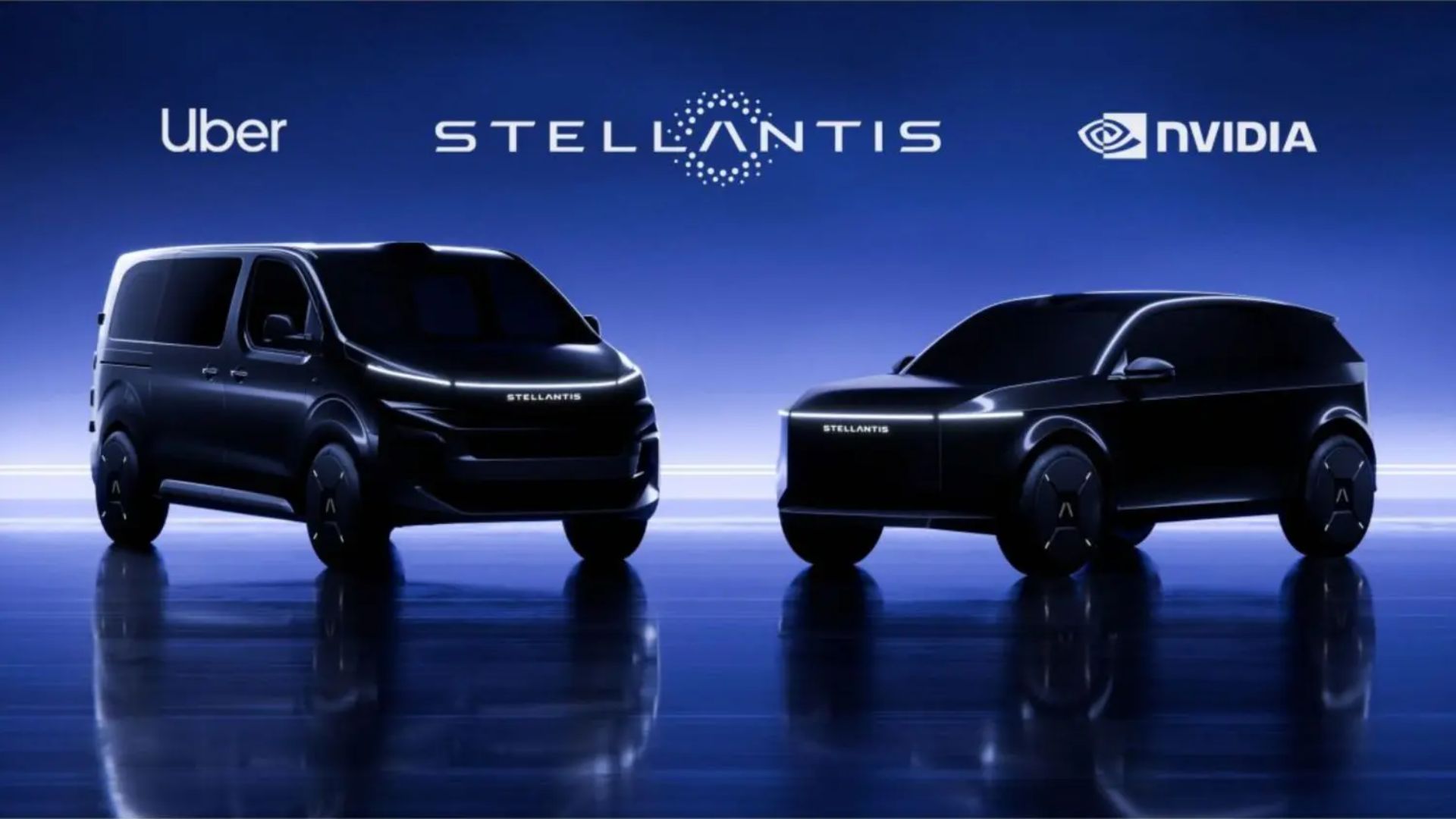
Stellantis has entered a partnership with NVIDIA, Uber, and Foxconn aimed at accelerating development of Level 4 autonomous vehicles specifically designed for robotaxi service.
Caffeine and Octane Lanier Raceway in Georgia Has Officially Been Sold
What Each Company Brings to the Partnership
The collaboration centers on Stellantis’ AV-Ready Platforms, including the K0 Medium Van and STLA Small architecture, which will run on NVIDIA’s DRIVE AGX Hyperion 10 platform, featuring redundant safety systems designed to support autonomous driving and parking functions. Foxconn will support hardware integration and manufacturing assembly, helping move the vehicles from design to production. Uber will oversee operational deployment, with plans to introduce 5,000 autonomous vehicles into U.S. service by 2028 before expanding internationally.
Why the Vehicles Are Purpose-Built
Unlike converted passenger vehicles, these vehicles are being engineered from the ground up with sensor arrays, redundant safety systems, and dedicated computing hardware intended to support safe and scalable robotaxi operations, while helping fleet operators manage costs more effectively than retrofitting existing vehicle platforms.
Part of a Broader Autonomy Strategy
The partnership builds on Stellantis’ earlier collaboration with Pony.ai in Europe, reflecting a broader push by the automaker to expand its presence in autonomous vehicle technology across multiple markets. The current agreement is structured as a non-binding memorandum outlining shared research and development goals, meaning each company remains free to pursue additional partnerships elsewhere.
What This Means for the Industry
By combining Stellantis’ manufacturing capability, NVIDIA’s autonomous driving technology, and Uber’s ride-hailing infrastructure, the partnership represents a coordinated effort among major players to accelerate the timeline for large-scale robotaxi deployment in the U.S.