
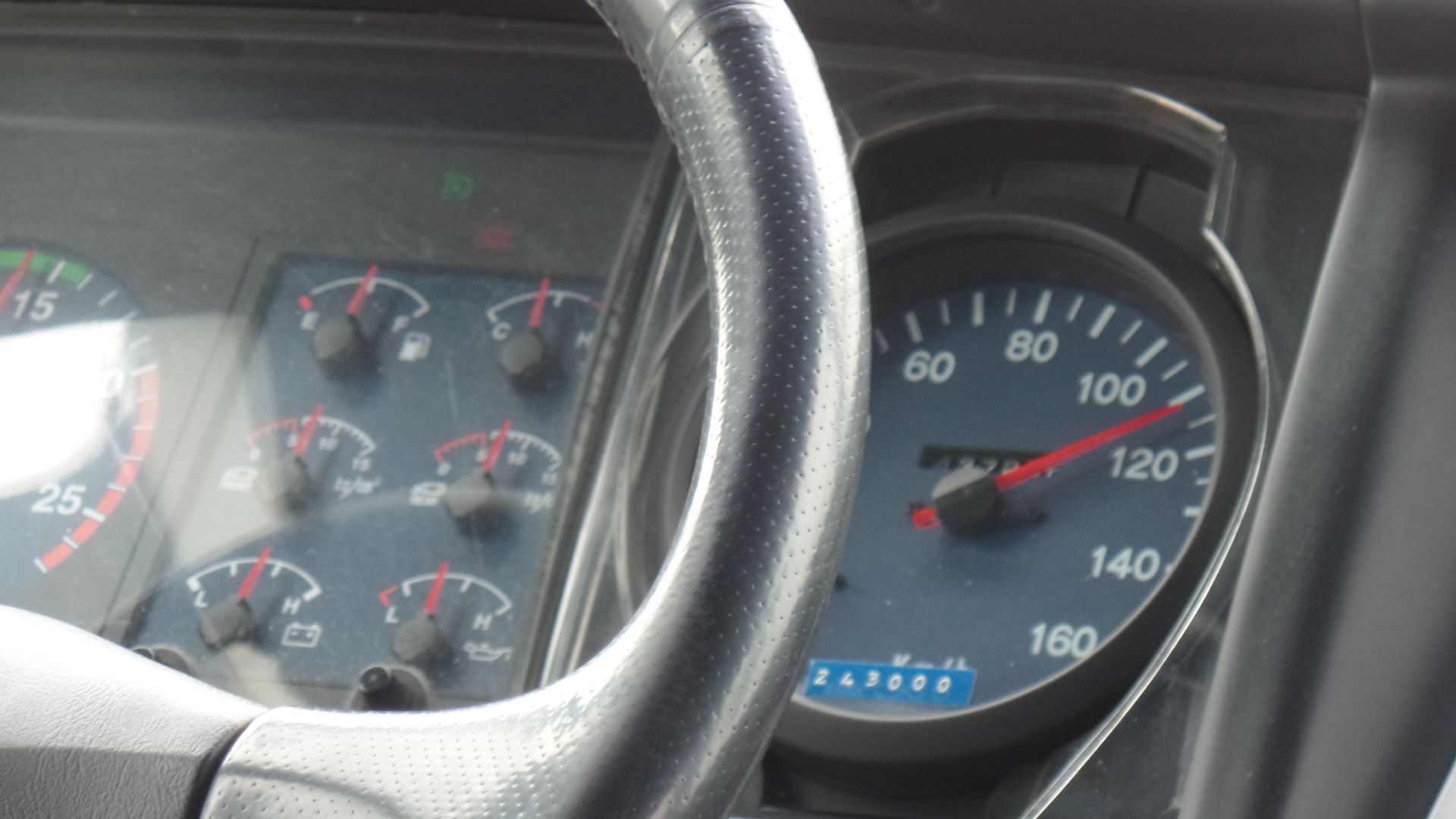
Wisconsin politicians are considering a controversial proposal that would require repeat reckless drivers to install speed-limiting devices in their vehicles, as the state grapples with a rising number of traffic fatalities.
Texas Socialite Sentenced After Fatal Porsche Crash Blamed on Designer Heels
How the Proposal Would Work
Under the plan, drivers cited twice for reckless driving within a five-year period would be required to install a GPS-based speed-limiting device for at least 12 months. The technology would prevent drivers from exceeding posted speed limits by more than 20 mph. Rather than facing jail time, drivers would instead be responsible for covering the device’s cost, estimated at roughly $1,700 per year.
Vintage Clip Shows Johnny Cash Climbing In and Out of His Ferrari 308 with Trademark Humor
Why Lawmakers Are Pushing the Idea
The proposal comes as Wisconsin has climbed to the fifth-worst state nationally for speeding-related incidents, with Milwaukee recording 74 traffic deaths last year alone. Supporters argue that a visible, physically installed device could discourage repeat offenders more effectively than fines or license suspensions, while avoiding the costs and complications associated with incarceration.
Concerns From Critics
Opponents argue the plan disproportionately burdens lower-income drivers and raises privacy concerns given the GPS tracking involved. One critic raised concerns about the technology interfering with legitimate emergency situations, such as needing to drive a passenger to the hospital quickly. Milwaukee officials have also pushed back, arguing the proposal doesn’t address the root causes of reckless driving and advocating instead for expanded automated traffic camera enforcement to catch dangerous drivers before crashes occur.
What Comes Next
The bill still needs to address open questions around emergency exceptions and affordability for lower-income drivers before advancing further. Wisconsin wouldn’t be the first state to adopt this kind of technology — Virginia has already approved a similar program, with rollout expected in 2026. Whether Wisconsin’s proposal ultimately becomes law remains uncertain.