
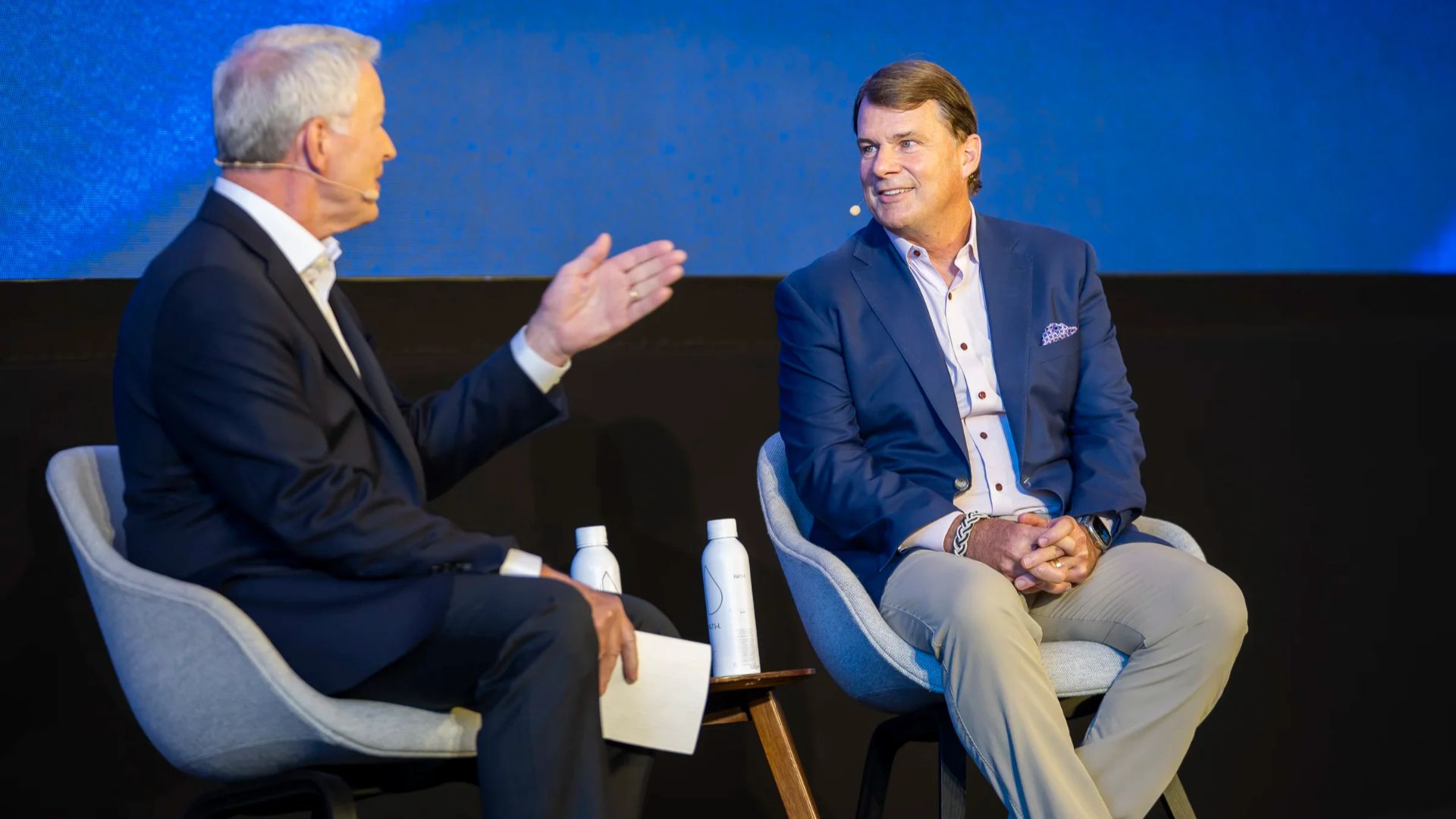
Ford CEO Jim Farley met with senior Trump administration officials last month to discuss a potential framework that would let Chinese automakers build vehicles in the United States through joint ventures with American companies, according to people familiar with the matter. The discussions reportedly centered on a structure where U.S. automakers would hold controlling stakes in the ventures while sharing profits and technology with Chinese partners.
Where and When the Talks Happened
The talks took place during the Detroit Auto Show, where Farley met with U.S. Trade Representative Jamieson Greer, Transportation Secretary Sean Duffy, and Environmental Protection Agency Administrator Lee Zeldin. The conversations happened just days after President Trump indicated he’d consider allowing Chinese automakers into the U.S. market if they built manufacturing plants and hired American workers. Ford later confirmed Farley toured the officials through the company’s display and discussed a range of industry topics, though the automaker didn’t offer specifics on what was actually said.
Not a Push for Joint Ventures, But a Hedge
People familiar with the discussions say Farley wasn’t advocating for joint ventures as his preferred outcome, but rather raised the concept as a possible way to protect American interests if Chinese manufacturers eventually gain broader access to the U.S. market regardless. The proposal reportedly got a cool reception from Trump officials, who reportedly believe it would face significant opposition in Washington. Still, some administration figures reportedly view a potential investment arrangement as a possible topic for Trump’s planned April meeting in Beijing with Chinese President Xi Jinping.
The Bigger Picture: China’s Global EV Push
These discussions come as Chinese automakers keep expanding their global footprint. China-based brands have grown market share in Europe, Mexico, and South America by offering lower-cost electric vehicles equipped with advanced battery and infotainment technology. Canada recently outlined plans to allow some Chinese EV imports, and Chinese vehicles have become increasingly common in Mexico as well, adding pressure on U.S. automakers watching from the sidelines.
General Motors has reportedly pushed back against the idea of Chinese automakers entering the U.S. market, citing concerns about lost market share and the impact on North American suppliers. That resistance within the broader industry and administration reflects both economic competitiveness concerns and national security considerations.
Farley’s Own Track Record on China
Farley has previously described China’s automotive industry as a serious competitive force rather than something to dismiss. At the same time, Ford has pursued selective partnerships with Chinese battery and technology firms while developing its own lower-cost electric vehicle platform targeted for a 2027 launch, suggesting the company is trying to compete with and learn from Chinese manufacturers simultaneously.
For now, the discussions remain informal, and no agreement has been announced.