
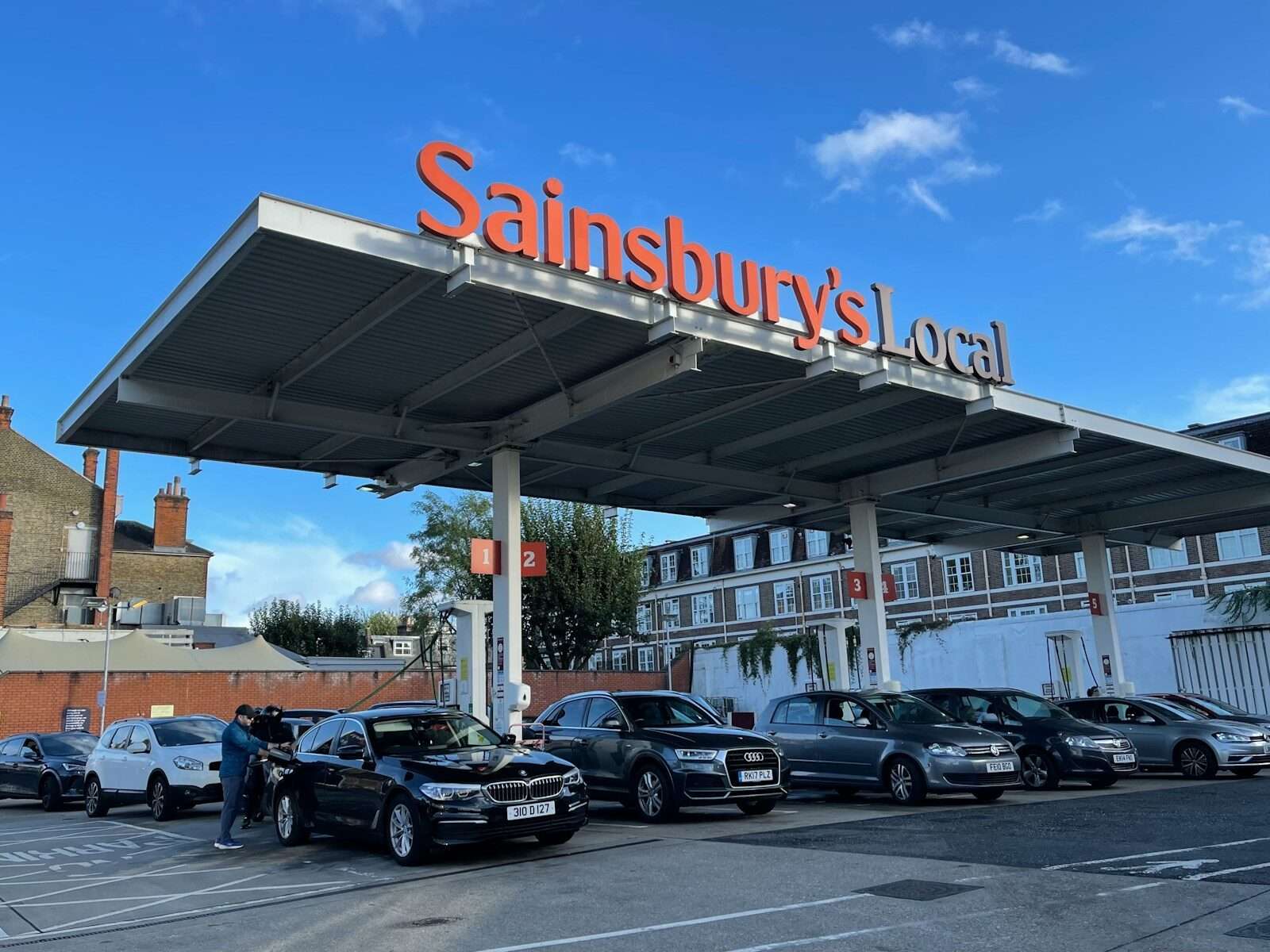
Gas crises don’t just change how much you pay at the pump, they change which vehicles actually make sense to own. History bears this out repeatedly, from the oil shocks of the 1970s to more recent price spikes tied to global instability. When fuel gets scarce or expensive, certain vehicles go from desirable to genuinely difficult almost overnight.
This breakdown looks at 10 vehicles that rank among the least practical to own during a gas crisis, based on objective factors: real-world fuel economy, tank size, required fuel grade, and overall consumption patterns. None of these are “bad” vehicles in any general sense, but under real fuel pressure, they become significantly harder to justify running day to day.
Vehicles were evaluated using the following criteria:
- Fuel Economy (MPG): Combined real-world estimates
- Fuel Type: Regular vs premium requirement
- Tank Size & Range: Larger tanks can soften—but not solve—poor efficiency
- Engine Characteristics: Displacement, cylinder count, and forced induction
- Ownership Impact: Frequency of fill-ups and cost sensitivity during price spikes
Ranking: Vehicles Most Affected by a Gas Crisis
1. Bugatti Chiron

- MPG: ~9 combined
- Fuel: Premium (high-octane required)
- Engine: Quad-turbo W16
The Chiron represents the extreme end of fuel consumption. While it’s not intended as a daily driver, its efficiency figures illustrate how quickly fuel costs can escalate under crisis conditions.
2. Ford F-650 / F-750 (Gas Versions)
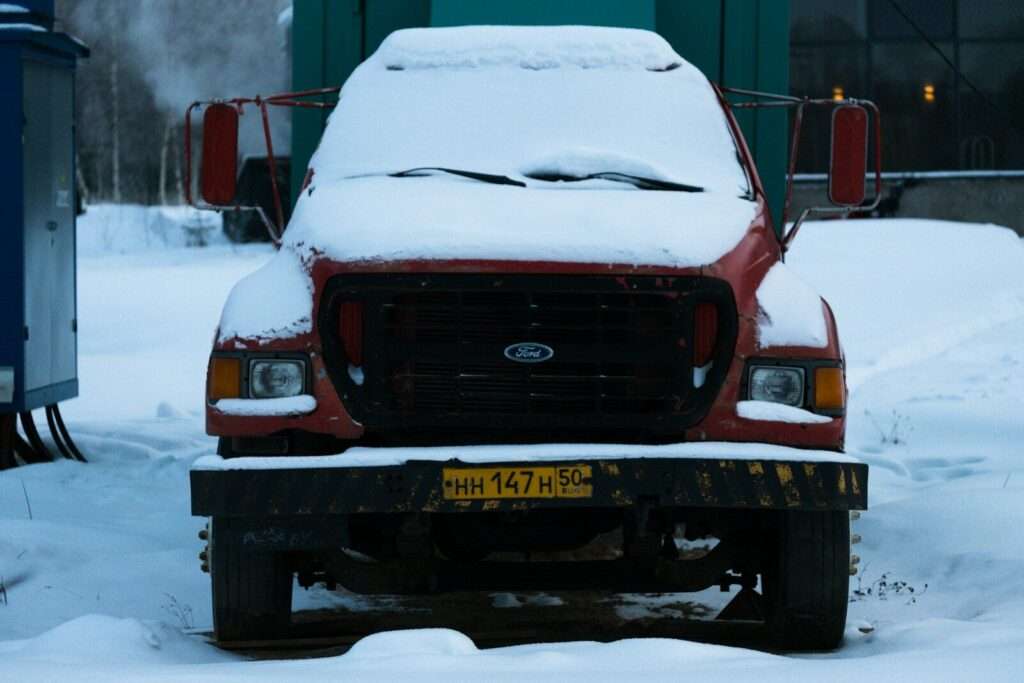
- MPG: ~6–8
- Fuel: Regular
- Engine: Large-displacement V8
These commercial-grade trucks prioritize capability over efficiency. In a fuel-constrained environment, their operating costs rise sharply due to sheer consumption.
3. Lamborghini Aventador

- MPG: ~10 combined
- Fuel: Premium
- Engine: Naturally aspirated V12
High-revving V12 engines deliver performance, but at the cost of efficiency. Frequent refueling becomes a reality when fuel prices climb.
4. Rolls-Royce Cullinan

- MPG: ~12 combined
- Fuel: Premium
- Engine: Twin-turbo V12
Luxury SUVs like the Cullinan emphasize comfort and power. However, their weight and engine size contribute to consistently high fuel usage.
5. Dodge Ram TRX
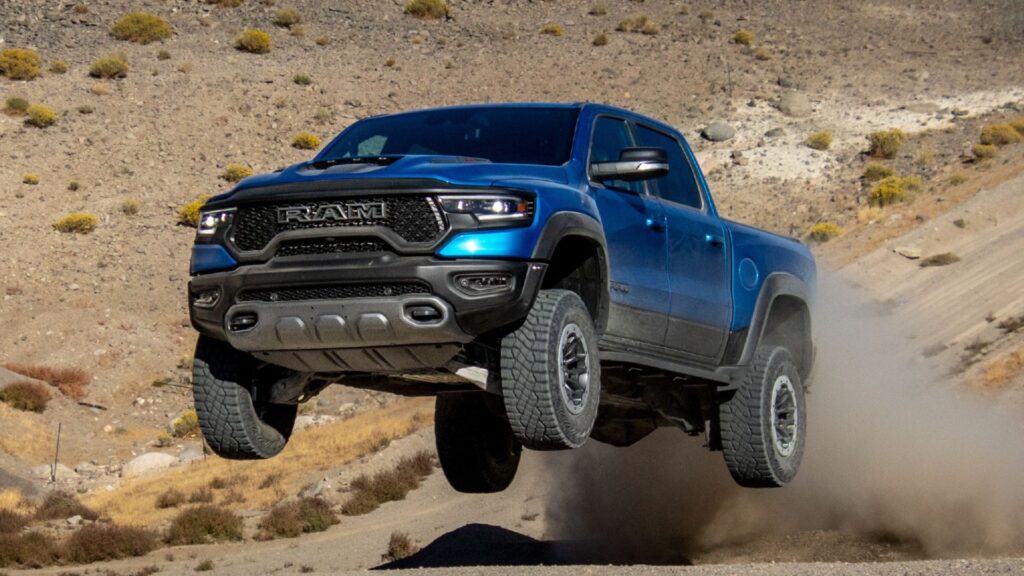
- MPG: ~10 combined
- Fuel: Premium recommended
- Engine: Supercharged 6.2L V8
The TRX blends off-road capability with high-output performance. That combination results in fuel consumption that becomes especially noticeable during price spikes.
6. Chevrolet Suburban (6.2L V8)
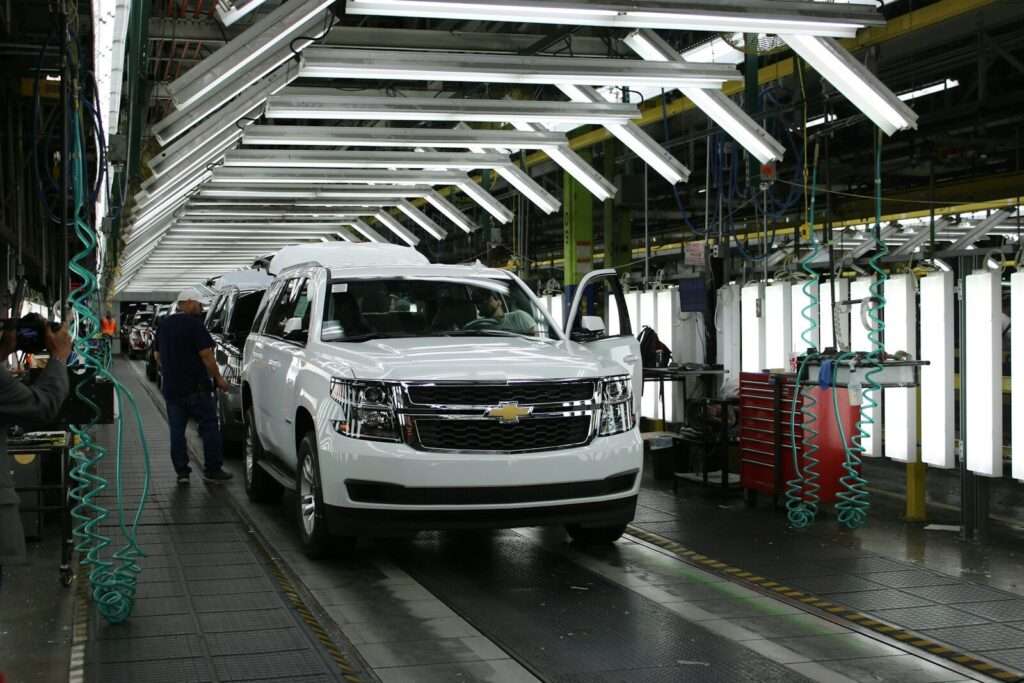
- MPG: ~14 combined
- Fuel: Premium recommended
- Engine: Large V8
Full-size SUVs offer space and versatility, but their size and weight make them less efficient than smaller alternatives.
7. Toyota Land Cruiser (Older Generations)
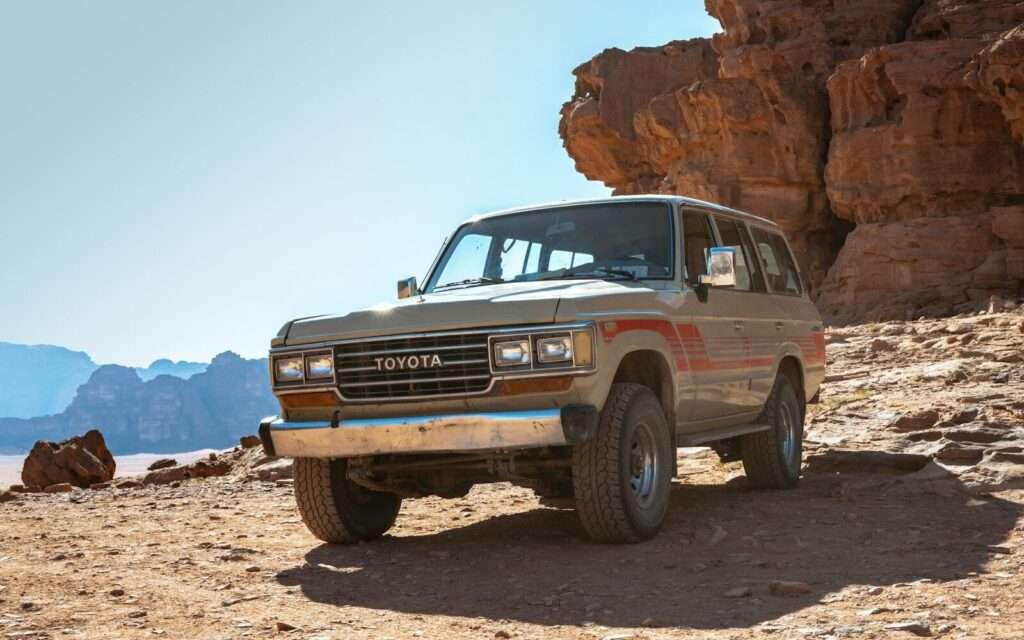
- MPG: ~13 combined
- Fuel: Regular
- Engine: Naturally aspirated V8
Known for reliability, older Land Cruisers still consume fuel at a rate that can become costly when prices rise.
8. Jeep Grand Wagoneer
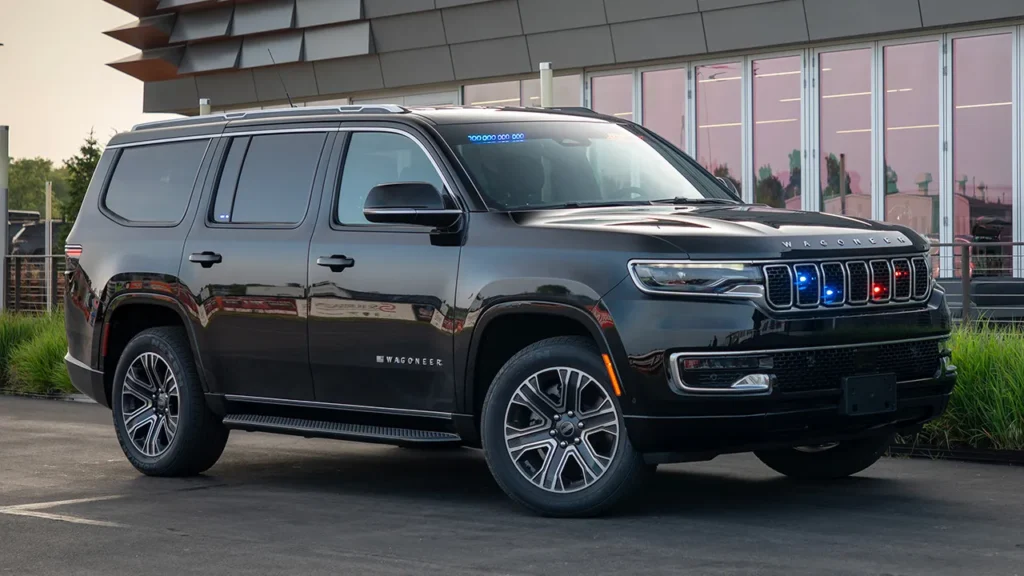
- MPG: ~13 combined
- Fuel: Premium recommended
- Engine: Twin-turbo inline-six
Despite modern engineering, the Grand Wagoneer’s size and luxury focus keep fuel economy relatively low.
9. Mercedes-Benz G-Class (G550 / AMG G63)

- MPG: ~13–14 combined
- Fuel: Premium
- Engine: Twin-turbo V8
The G-Class combines off-road capability with luxury, but its boxy shape and weight contribute to higher fuel consumption.
10. Nissan Armada
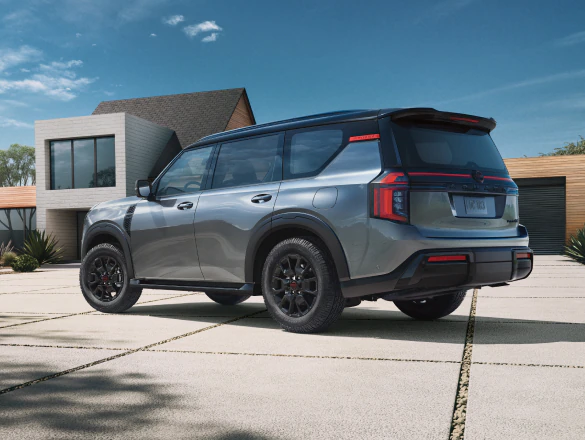
- MPG: ~14 combined
- Fuel: Regular
- Engine: 5.6L V8
While more accessible than others on this list, the Armada still falls into the category of vehicles that feel the impact of fuel price increases more than average.
Fuel Cost Comparison Snapshot
| Vehicle | MPG (Combined) | Fuel Type | Estimated Cost per 300 Miles* |
|---|---|---|---|
| Bugatti Chiron | 9 | Premium | Very High |
| Ford F-650 | 7 | Regular | Extremely High |
| Lamborghini Aventador | 10 | Premium | Very High |
| Rolls-Royce Cullinan | 12 | Premium | High |
| Ram TRX | 10 | Premium | Very High |
| Suburban 6.2L | 14 | Premium | Moderate-High |
| Land Cruiser (older) | 13 | Regular | Moderate-High |
| Grand Wagoneer | 13 | Premium | High |
| G-Class | 14 | Premium | Moderate-High |
| Nissan Armada | 14 | Regular | Moderate-High |
*Assumes elevated fuel pricing conditions; exact cost varies by region and market.
The Pattern Across All Ten
A few consistent themes show up across every vehicle on this list. Low MPG magnifies any cost increase almost immediately, and a premium fuel requirement stacks another layer of expense on top of that. Large engines and heavy platforms drive sustained consumption regardless of how carefully you drive, and frequent refueling stops turn into a real practical inconvenience rather than just an annoyance. During stable fuel periods, these trade-offs are easy to accept in exchange for the performance, capability, or luxury they deliver. In a genuine crisis, they get a lot harder to ignore.
Final Takeaway
A gas crisis doesn’t hit every vehicle the same way. For some owners, it’s a minor inconvenience they barely notice. For others, it fundamentally changes what it feels like to own the car day to day. The vehicles on this list show how quickly fuel efficiency, or the lack of it, can become the defining factor in ownership cost, and while most of them genuinely excel at performance, luxury, or capability, those strengths come bundled with trade-offs that become impossible to miss once fuel gets expensive or hard to find.
If history is any guide, the next fuel crunch isn’t a question of if, it’s a question of when. And when it arrives, what’s sitting in your driveway is going to matter more than it does today.