
A Milwaukee police officer resigned after investigators found he had used automated license plate reader technology to track a woman he was dating nearly 180 times in the span of two months. What looked at first like a single ugly misconduct case is now pulling back the curtain on a much larger problem with how vehicle surveillance gets used in this country. For anyone who drives, this one lands fast and it lands hard.
License plate readers were pitched to the public with a clean story. They were supposed to catch stolen cars, find dangerous suspects, and help solve serious crimes. Instead, a growing pile of documented cases shows officers pointing those same systems at ex-partners, romantic interests, and private citizens with a frequency that should make every driver uneasy.
10 Automotive Gadgets Worth Checking Out
How the Searches Came to Light
The Milwaukee case surfaced because the woman did something most drivers never think to do. She checked a public website called Have I Been Flocked, a transparency tool that lets people see whether automated plate readers have scanned their vehicle. What she found laid bare just how closely one officer had been watching where she went.
The reported details say the officer ran her plate 179 times over a two-month stretch before he resigned from the department. That number is the product of an internal investigation even though the searches allegedly had nothing to do with real criminal activity.
That’s where the story stops being about one bad officer and starts being about the systems themselves.
A Tool Built for Crime, Used for Stalking
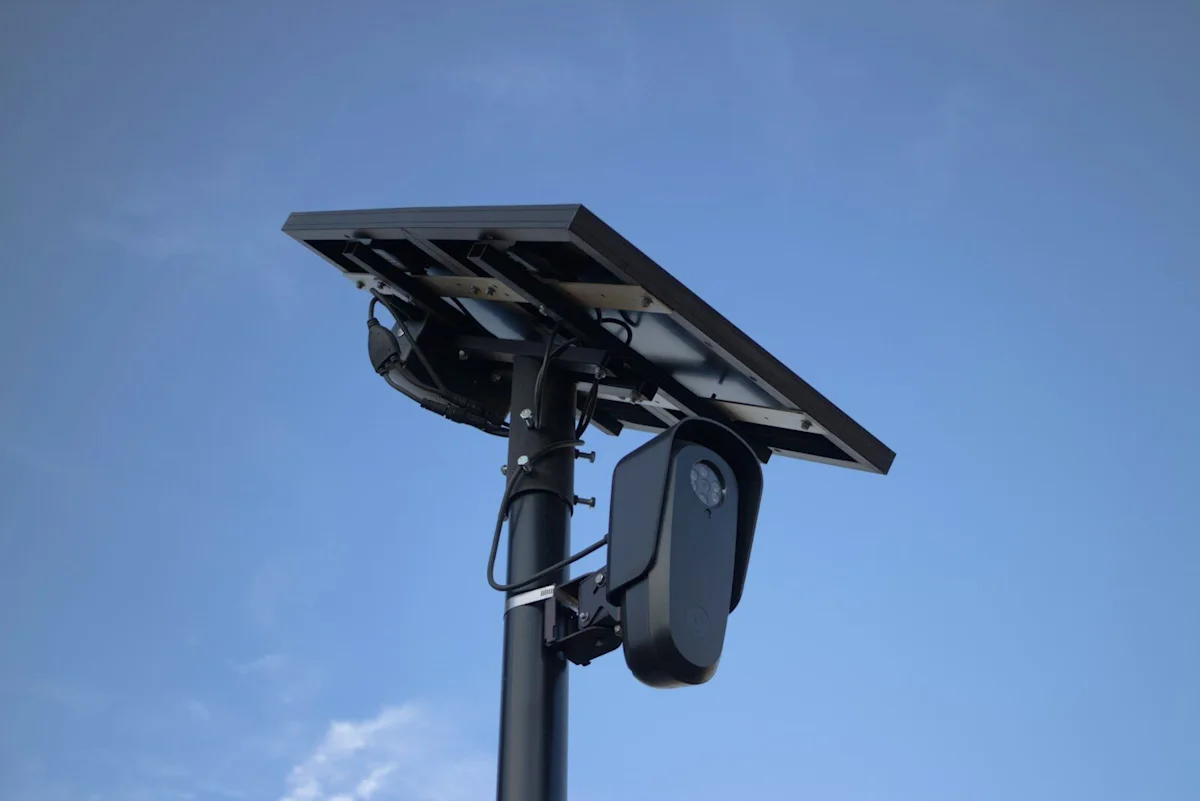
Automated license plate readers have spread across the United States at a rapid pace over the last decade. They sit on police cruisers, traffic poles, bridges, and roadways, snapping plate data off passing vehicles and storing it alongside the time and the location. Police agencies say the cameras are essential for recovering stolen vehicles and tracking wanted suspects. Critics have warned for years that the same setup hands law enforcement enormous surveillance power with very little oversight watching the watchers.
The Milwaukee case just handed those critics a fresh round of ammunition. The Institute for Justice has documented at least 14 separate cases involving officers accused of abusing plate reader databases to stalk or monitor people for personal reasons. Considering how hard this kind of abuse is to even detect, 14 known cases is not a comforting figure. It’s the tip of something.
Here’s the part that matters. Most drivers have no idea when their plate is being searched or why. In a lot of places, an officer can pull from massive databases of vehicle movement records with almost no friction. When internal oversight fails, that abuse can roll on for a long time before the victim ever finds out. The woman in Milwaukee only learned what was happening because she checked a transparency site tied to the Flock Safety camera network. Without that tool, the searches might never have come to light at all.
Milwaukee Is Not the Worst Example
The Milwaukee situation is not even the most extreme case in the growing list. The Institute for Justice points to a Kansas police chief who allegedly ran an ex-girlfriend’s plate more than 200 times. In Kentucky, another officer reportedly tracked an ex hundreds of times over a two-month period. In each instance, the searches were entered into the systems as investigative activity, which means databases built for legitimate criminal work were allegedly repurposed for deeply personal surveillance.
That’s the contradiction drivers are being asked to swallow. Departments keep pushing for bigger camera networks and broader plate reader integration while insisting the technology makes everyone safer. At the same time, repeated misuse cases keep proving how quickly the same tool can be turned against ordinary people.
It’s tempting to read these stories and assume the only people affected are criminals or those already under investigation. These cases blow that assumption apart. Plate readers do not just watch suspicious vehicles. They scoop up data from commuters, families, road-trippers, weekend drivers, and anyone passing through a camera-covered area. Once that movement data lives in a big searchable database, the danger shifts from collection to misuse, and a single person with access can flip a public safety system into a private stalking tool.
Why This Should Worry More Than Just the Victims
For car enthusiasts, there is an extra sting. Automotive culture already deals with rising regulation and an expanding web of monitoring tech. Many drivers tolerated plate readers because they were promised the cameras would target serious criminals. Stories like this paint a very different picture, one where ordinary people become searchable data points just for using public roads.
The resignation in Milwaukee closes one chapter on paper, but it does nothing for the bigger worry hanging over all of this. The numbers tell the real story: nearly 180 searches in Milwaukee, more than 200 in Kansas, hundreds more in Kentucky. For the millions of Americans driving past these cameras every single day, the question is no longer whether the systems can be abused. The question is how often it’s already happening while nobody is looking.