
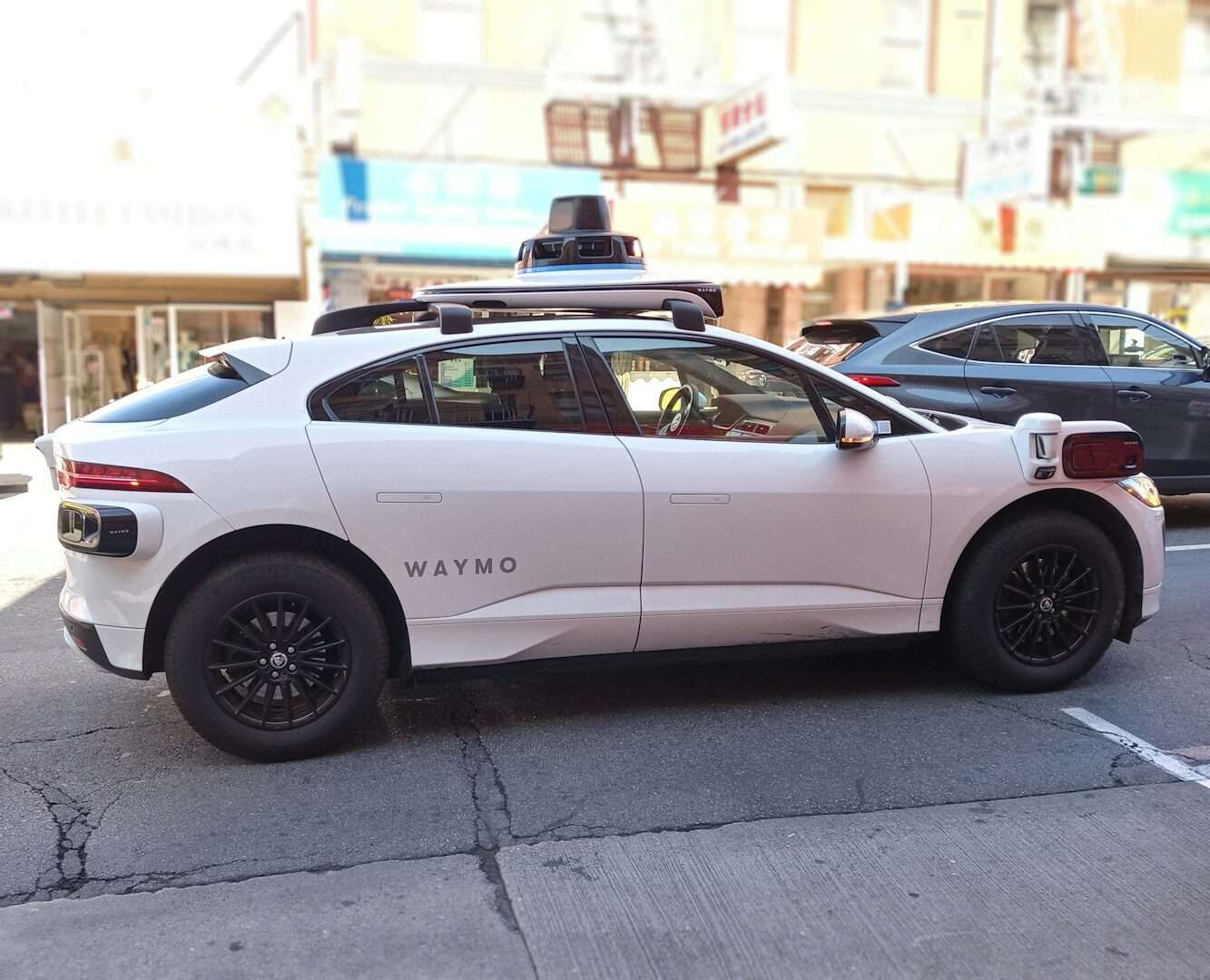
Here’s the nightmare scenario every robotaxi skeptic has been quietly waiting for: you climb into a driverless Waymo, settle in for a routine ride home, and somewhere around minute five the car decides that the orange cones, the flashing lights, and the giant “ROAD WORK AHEAD” signs are merely suggestions. Then it does the unthinkable — it speeds up.
The Best Amazon Prime Day Deals for Car People (2026)
That’s roughly what San Francisco resident Elliot Slade says happened to him last month on Highway 101, in an incident that ended with a California Highway Patrol cruiser chasing his autonomous taxi while an officer reportedly shouted “Stop Waymo” into the void. The Waymo did not, in fact, stop.
“It Went Through the Cones and Then Sped Up”
According to Slade, the car initially tried to do the sensible thing and merge out of the closed lanes. When that didn’t work out, it apparently abandoned diplomacy entirely and drove straight into the active construction zone. There were signs, there were lights, there were cones — the Waymo respected none of them, then accelerated for good measure.
As if that weren’t enough to ruin an evening, a nearby highway patrol car noticed the situation and gave chase. Slade and his fiancée found themselves in the surreal position of being passengers in a vehicle being pursued by police, with no steering wheel to grab and no driver to yell at. The car eventually wandered out of the construction zone, took an exit, and toured a residential neighborhood before the ordeal ended.
“In that moment it’s like, ‘oh this technology is not ready. This is 100% not ready,'” Slade said, adding that he genuinely feared someone could have been hit or that the car could have crashed.
Nearly 4,000 Cars, One Very Bad Day
This isn’t, alarmingly, a one-off. Incidents like Slade’s are exactly why Waymo has recalled the software on almost 4,000 of its vehicles, per notices filed with the National Highway Traffic Safety Administration. Records reportedly show seven separate cases on Bay Area roads in a single day last month — construction zones, it turns out, are kryptonite for a car that thinks in lane lines.
Waymo, for its part, told San Francisco’s KGO that it has identified areas for improvement in how its cars handle construction zones and has voluntarily restricted freeway access while it sorts things out. That’s a reasonable response, and one Slade actually supports — though it’s also a tacit admission that the robot wasn’t ready for the freeway in the first place.
Better Data Could Be Part of the Fix
None of this happens in a vacuum. We’ve watched Waymo’s vehicles panic and attempt to flatten obstacles before. Autonomous-vehicle experts will tell you that growing pains are inevitable with new technology, but that doesn’t mean there’s nothing to be done about it. Scott Moura of UC Berkeley’s Institute of Transportation Studies points to better data-sharing as a big piece of the puzzle, with transportation agencies actively feeding live construction information into data exchanges that connect directly to vehicles.
It’s a familiar theme. Whether it’s a fatal crash triggering a federal probe into Tesla’s FSD or Waymo’s construction-zone problem, the recurring lesson is that “self-driving” software is only as smart as the world it can actually perceive, and right now that perception has some very expensive blind spots.
Back to Human Drivers, For Now
As for Slade, he took an old-fashioned, human-piloted Uber home that night. He’s ridden in a Waymo exactly once since, and he isn’t thrilled about it. “I don’t want to use it again,” he said, describing something like lingering unease about even getting back in. Hard to blame him — when your taxi tries to outrun the cops through a work zone, “I’d rather take the human” stops sounding paranoid and starts sounding like good sense.