
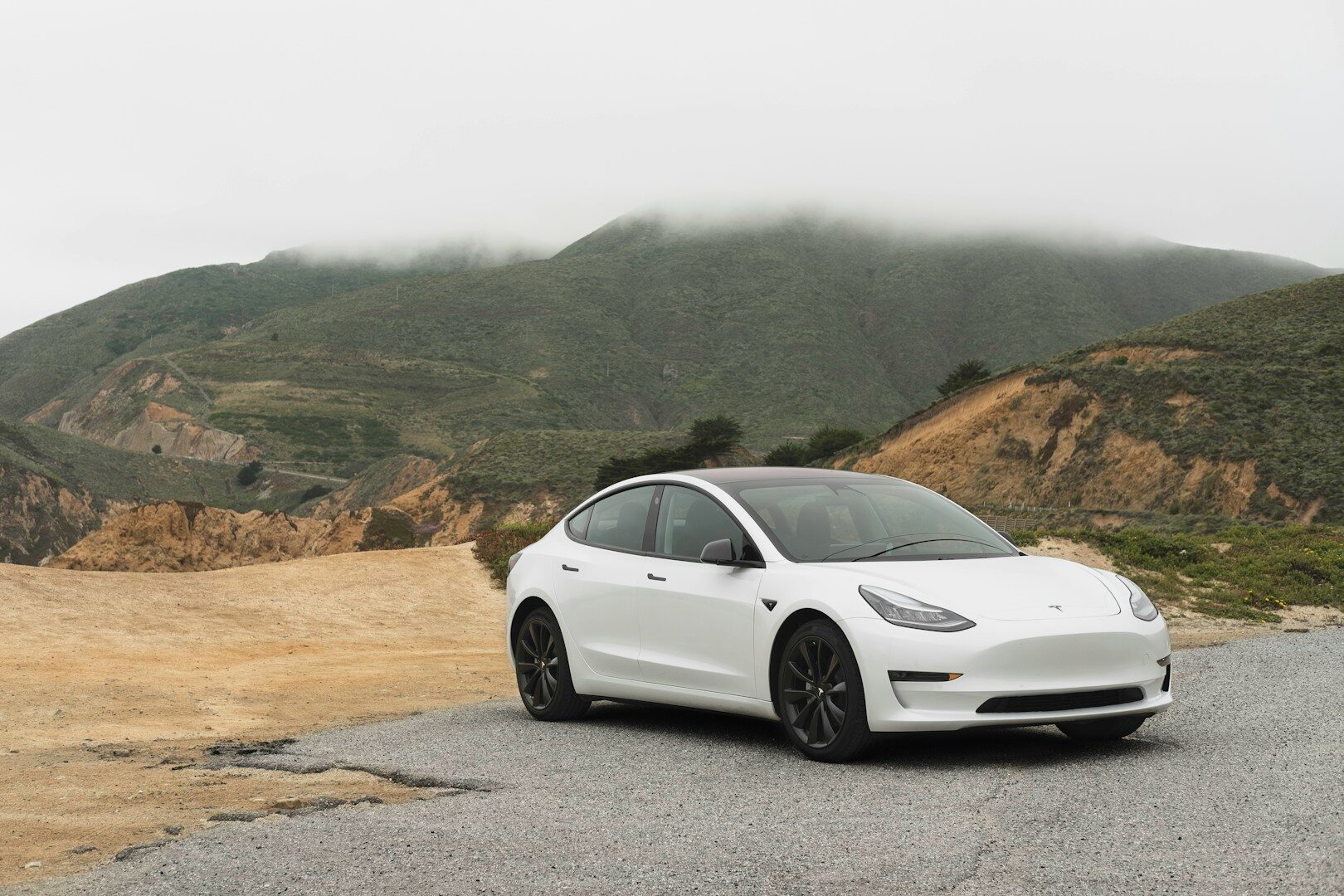
A quiet evening in a Katy, Texas neighborhood turned into tragedy on June 19 when a Tesla crashed through the front of a home near Fry Road while the Barbour family was making dinner. Seventy-one-year-old Martha Avila was sitting in the front playroom when the car punched through the wall. She suffered catastrophic injuries and later died. The question now hanging over the case is one that follows Tesla everywhere: was the car driving itself, or was it the person behind the wheel?
The Best Amazon Prime Day Deals for Car People (2026)
A Muddled Timeline
The Harris County Sheriff’s Office says investigators have so far found no evidence of a mechanical malfunction. The driver reportedly told deputies something about the vehicle’s Autopilot system, a claim Tesla itself never directly addressed. Instead, Ashok Elluswamy, Tesla’s Vice President of Autopilot, weighed in on X while criticizing the media coverage of the crash. According to his account, the driver manually overrode self-driving by pressing the accelerator to 100 percent in a residential area, reached 73 mph, and kept the pedal down even after impact — in short, his position is that the software isn’t to blame, the driver is.
The Optics Problem
It’s worth sitting with the optics of that response. A grandmother is dead, a family is shattered, and the public face of the company’s autonomy program apparently felt the most pressing matter was correcting the record on pedal inputs in a social media reply. Tesla wouldn’t speak with reporters, but it would post.
Tesla’s account, if accurate, points responsibility squarely away from the technology — a car can’t floor itself to 73 mph in a residential neighborhood if the person in the driver’s seat is standing on the accelerator. But it also raises an uncomfortable question about how much drivers lean on these systems, mentally check out, and then do something catastrophic once they override them. The sheriff’s office hasn’t ruled on the official cause yet, and a Tesla executive’s tweet is not an official finding.
Federal Regulators Are Watching Too
This extends well beyond one driveway in Katy. Beyond the Harris County investigation, the National Highway Traffic Safety Administration has opened its own probe into the crash. Federal scrutiny is never a good look for a company that has built its brand on the promise that its cars can handle the driving.
For now, HCSO says it’s still working to determine the cause. Once the evidence is gathered, the findings will go to the Harris County District Attorney’s Office to decide whether criminal charges are appropriate. Whatever the official ruling ends up being, a 71-year-old woman died inside her own home because a two-and-a-half-ton car ended up somewhere a car should never be. The investigation into exactly how that happened is just getting started.