
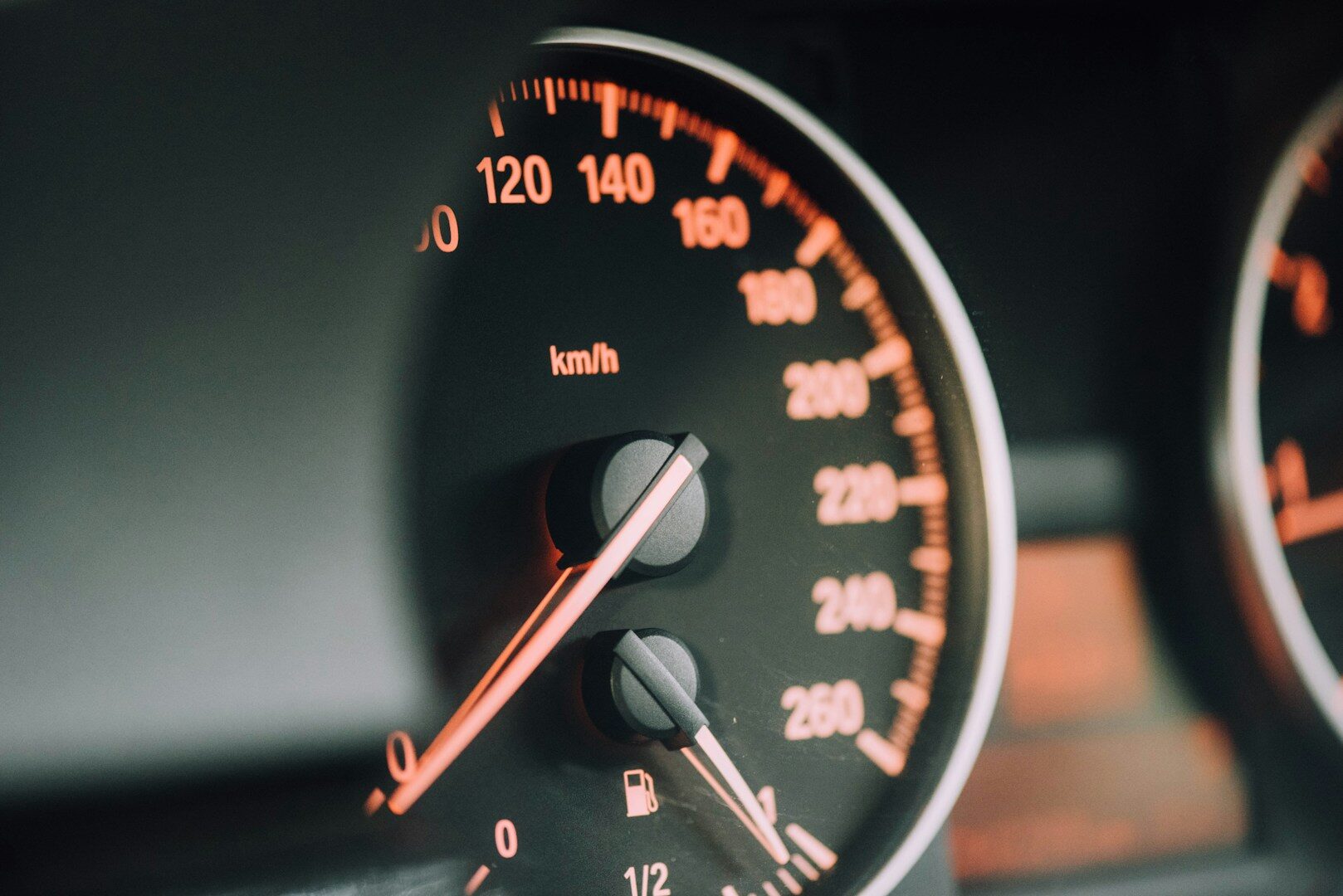
Starting July 1, Virginia stopped treating a triple-digit speeding conviction as strictly a license-and-fine problem. It became the first state in the country to let a judge bolt a device to your car that physically won’t let you speed — and hand you that instead of taking your license away. Here’s what actually changed, and why it should get the attention of anyone in the Commonwealth who enjoys the top half of the tach.
What the Box Actually Does
The law is HB2096, now § 46.2-507 of the Virginia Code, and it creates the Intelligent Speed Assistance Program. The statute defines an ISA system in plain terms: a system that caps how fast the car can go, and it needs an active system. It reads your GPS position against a database of posted limits (some providers also add forward-facing sign-recognition cameras, though Virginia hasn’t locked in whether cameras are required) and then throttles you back when you try to exceed the limit for that road. Not a suggestion. A wall.
On a modern drive-by-wire car that’s mechanically trivial — the device sits between your right foot and the throttle body and simply refuses to pass along the last 20 percent of pedal travel. It’s the same logic a factory speed limiter already uses, just tied to a moving target instead of a fixed 155-mph governor.
- Trump vs. the Gas Station: Political Theater or Actual Policy?
- Corvette Driver Hit 156 MPH Running From Troopers, Then Said He’d Just “Buy Another One”
Who Gets Fitted
This is not a device every Virginian is getting. It’s aimed squarely at the people who keep showing back up in the same courtroom. The triggers, straight from the code:
If you’re convicted of reckless driving by speed and clocked over 100 mph, § 46.2-393 now forces the judge’s hand — it’s either a license suspension or mandatory ISA enrollment for 60 days to six months. There’s no third door. For reckless driving under 100 (and remember, in Virginia § 46.2-862 makes it reckless to do 20 over or anything past 85, period), the judge may offer ISA as an alternative to suspension.
Street racers get their own track: under § 46.2-865, a racing conviction can carry six months to two years of ISA in lieu of suspension, and a fourth racing conviction can substitute a five-year ISA order for what would otherwise be a five-year license revocation.
And then the sleeper clause most people miss — the points path. Under § 46.2-506, if you rack up 18 demerit points in 12 months or 24 in 24 months, the DMV now mails you a choice: eat a 90-day suspension, or enroll in ISA for nine months. Ignore the letter for 30 days and it defaults to suspension. You don’t need one spectacular 110-mph run to end up here; you need a bad year of ordinary tickets.
The Part Enthusiasts Should Read Twice
Section F is the gut-punch for anyone with more than one interesting car. Enrollment doesn’t mean a limiter on the car you got caught in. It means a certified device on every vehicle you own or that’s registered to you, and it makes it illegal to operate any car that isn’t fitted with a working one. Borrowing a buddy’s car to get around it? Also off the table. If you’ve got a daily, a weekend toy, and a project truck, that’s potentially three installs — or three cars you legally can’t drive for the length of the order.
- GM Patent Wants Your Car To Swap Insurance Info After A Crash So You Don’t Have To
- Ford Fired a Diabetic 11-Year Veteran Over a $1.95 Cookie He Actually Paid For
Older iron complicates things further. There’s no clean way to intercept throttle on a cable-throttle carbureted classic, and as of the law’s passage there weren’t established aftermarket ISA interlocks floating around the U.S. market the way breathalyzer interlocks are. Expect the certified hardware to lean heavily on OBD-II-era, electronically-throttled vehicles. How a provider handles your 1972 anything is genuinely unresolved.
The Fine Print: Logging, Tampering, and Cost
The VASAP interim guidelines that took effect with the law spell out the operational bits: device lock-out functions, “dynamic speed zones” for temporary limits, and logic that allows a brief speed cushion for passing before the cap snaps back. The statute also requires the box to log your speed continuously, record every bypass attempt, and be capable of dumping that data to the Commission within 24 hours. Tampering with it, bypassing it, or circumventing it is a Class 1 misdemeanor — up to 12 months in jail and a $2,500 fine — with a warning label on the unit stating exactly that.
You pay for all of it unless a court finds you indigent, in which case a fund seeded by a slice of the vendors’ fees helps cover it. You also get to pick your provider off VASAP’s certified list rather than being assigned one. If that structure sounds familiar, it’s because it’s lifted wholesale from Virginia’s DUI ignition-interlock program, which VASAP already runs — and the same companies are moving in. Smart Start, a longtime interlock outfit, announced a certified ISA product called Speed Aware available through 18 Virginia locations as the law went live. The monitoring-device business just found a second product line.
- The ‘Buy American’ and ‘Buy European’ Pitch Is Getting Harder to Believe When the Platforms Keep Coming From China
- The Enthusiast Car Isn’t Being Killed. It’s Being Managed Into Extinction — And That’s Worse
Two practical warnings. First, ISA is an alternative to suspension — not to the conviction. The reckless-driving misdemeanor still lands on your record, and your insurer will price it accordingly regardless of whether you kept your license. Second, if you hold a CDL: none of these restricted arrangements let you operate a commercial vehicle while enrolled. For a professional driver, that’s not an inconvenience, it’s a livelihood question.
The Bigger Picture
Virginia isn’t freelancing here. Back in November 2023, the NTSB — investigating a North Las Vegas crash where a Dodge Challenger ran a red at 103 mph and killed nine people — formally recommended ISA in all new cars and urged states to build ISA-interlock programs for repeat speeders. The NTSB pegged speeding at roughly 12,330 deaths in 2021, about a third of all traffic fatalities. Virginia is the first state to take the interlock half of that recommendation and put it in statute (D.C. moved earlier, but D.C. isn’t a state).
The honest takeaway: this doesn’t touch the vast majority of drivers, and it’s narrowly built around the repeat, extreme offender for whom fines and short suspensions demonstrably don’t work. But it’s also the first real crack in the door toward court-mandated active speed limiting on private cars in America — and the vendors, the data logging, and the regulatory scaffolding are now all in place. Watch which state copies it next.