
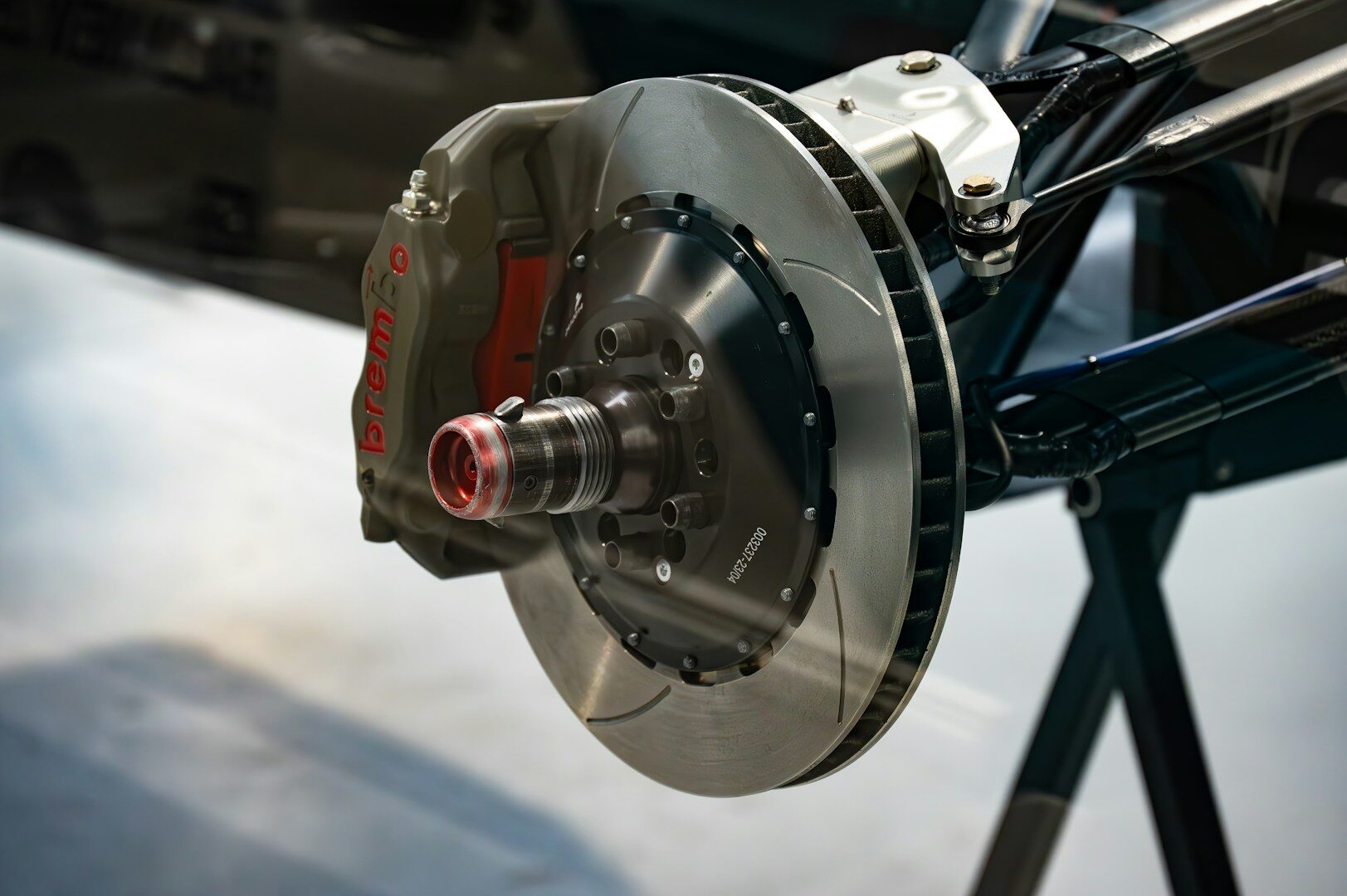
Brakes are the part of your car you notice only when they stop working, which is a spectacularly bad time to start paying attention. The good news is that destroying your brakes prematurely is almost always self-inflicted, and avoiding it requires exactly zero mechanical talent — just a few habits and the willingness to not ignore the obvious.
Your brakes work by converting motion into heat through friction, and everything that goes wrong with them traces back to either too much heat or too much wear. Understand that, and the rest is common sense.
Check This Out: 5 Genius Garage Upgrades Under $100 That Make a Big Difference
Stop Riding the Brake Pedal
The number one brake killer is riding the pedal — resting your foot lightly on the brake while driving, especially downhill. It keeps the pads in constant light contact, generating heat and wear for no reason. On long descents, downshift and let engine braking do the work instead of holding the pedal the whole way down. Your pads will last dramatically longer.
Listen. Seriously, Just Listen.
Brake pads have a built-in tattletale: a small metal wear indicator that makes a high-pitched squeal when the pads get thin. That sound is not a suggestion — it’s the cheapest warning you’ll ever get. Ignore it long enough and you’ll grind the pads down to metal-on-metal, which chews up the rotors and turns a routine pad job into a much bigger bill. A grinding noise means you’re already there.
Feel for the Warning Signs
A soft, spongy pedal, a pulsing or vibrating brake pedal under stopping, or the car pulling to one side when you brake all mean something needs attention. None of these fix themselves. Braking is the one system where “I’ll deal with it later” can end very badly, and it’s worth remembering that manufacturers issue safety recalls over exactly these kinds of failures.
Don’t Cheap Out on Pads
Bargain-basement brake pads can be noisy, dusty, fade under heat, and wear out fast — false economy in its purest form. You don’t need exotic track pads for daily driving, but decent-quality pads matched to your car are money well spent. Brakes are not the place to save twenty bucks.
Treat your brakes with a little respect, respond to the noises, and they’ll return the favor at the exact moment it matters most.
Read Next: 10 Emergency Car Products You Hope You Never Need
Sources: Brake system maintenance guides; NHTSA safety recall notices.