
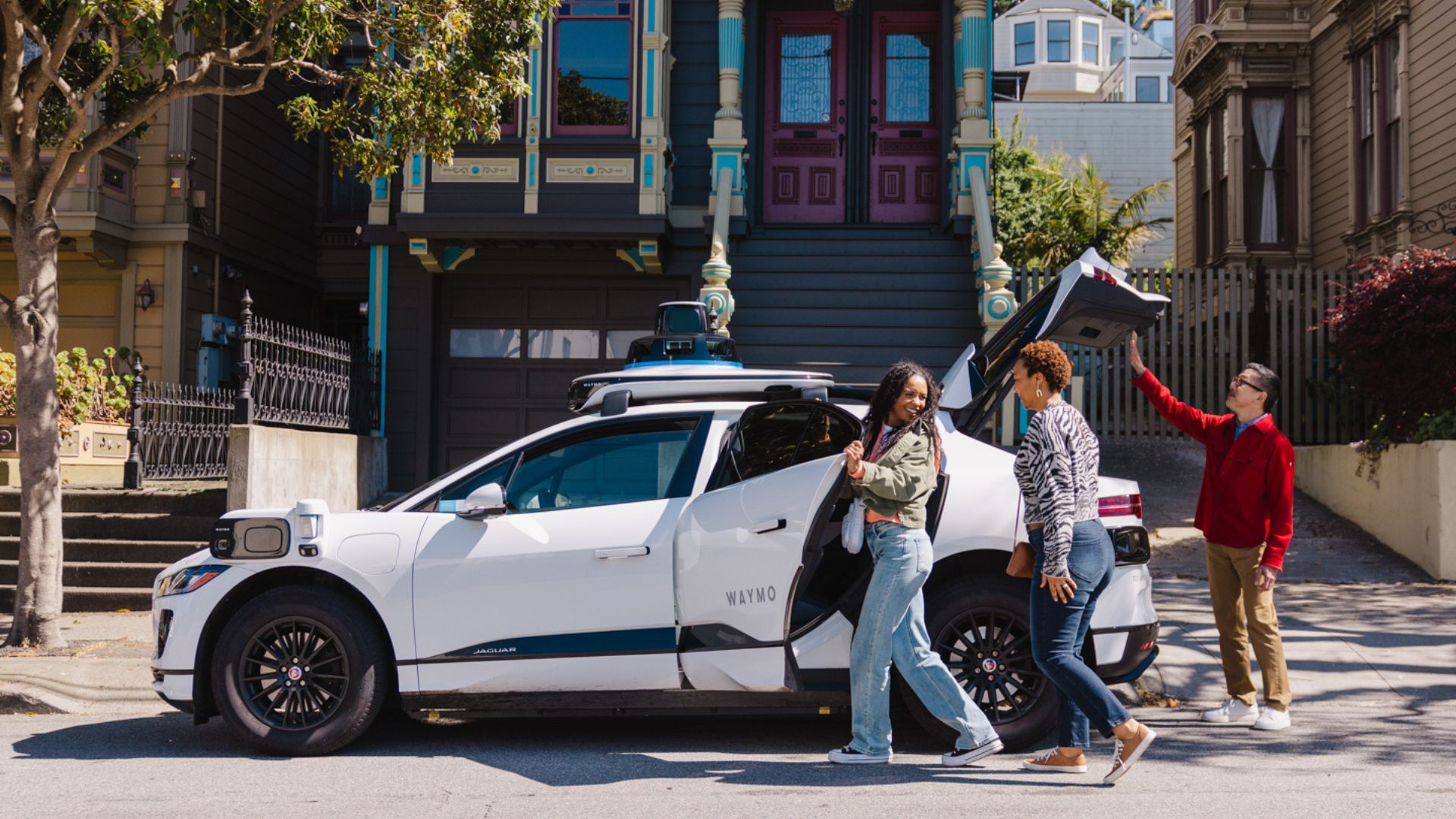
Two Colorado transportation companies filed paperwork this month arguing that Waymo doesn’t belong in the same regulatory category as a chauffeured Mercedes. They’re technically correct. A fleet of purpose-built robotaxis has about as much in common with a limousine service as a vending machine has with a butler.
But that’s exactly the point, and it’s why this fight matters more than it looks.
Waymo applied for a Colorado luxury limousine permit in late May, and the state’s Public Utilities Commission granted it effective June 12, according to Denverite. The company now wants to add its newest vehicle, the Ojai, to the state’s approved list of limousine vehicles — not through the normal rulemaking process, but through a waiver. Metro Capital Group, which owns Metro Taxi and Yellow Cab, and Ski Town Transportation in Steamboat Springs both filed to intervene, arguing the exemption is unusual and that granting it would let Waymo compete without carrying the same regulatory weight as a traditional taxi fleet.
They have a point worth explaining, because most readers have never thought about why limousine, taxi, and transportation network company are even separate legal categories in the first place.
Why the label matters more than the technology
A metered taxi in Denver operates under rules built for street hails: posted fares, minimum charges to and from the airport, and an obligation to serve the public more or less indiscriminately. A limousine operates under an entirely different rulebook, built for prearranged, app- or phone-booked rides at negotiated rates. Transportation network companies like Uber and Lyft sit in a third category altogether, one written specifically around background-checked human drivers using their own cars.
None of these categories were written with an empty driver’s seat in mind.
That’s the quiet problem underneath this fight. Colorado, like most states, never wrote a legal box for an autonomous ride-hailing fleet. So Waymo picked the box that fit best, limousine, because it already assumes prearranged, app-based dispatch rather than street hailing, and it doesn’t carry the minimum-fare and public-service obligations that come with a taxi medallion. Metro Capital’s attorney made exactly that argument in a July 2 filing, warning that Waymo would not be bound by the same minimum airport fares as Yellow and Metro.
That’s not a technicality. That’s the whole business model.
The bar is lower than people think
Denver’s own transportation department has said the quiet part out loud: under Colorado law, an autonomous vehicle can operate as long as it follows traffic laws. There’s no special autonomous-vehicle statute layered on top, no separate permitting track, no state inspector riding along. Just the same rules of the road every human driver already answers to.
That standard sounds reasonable until you look at Waymo’s own recent record. The Auto Wire has covered a Waymo vehicle that blew past cones and traffic control into an active highway work zone, another that slipped past police tape into a Los Angeles felony arrest scene, and federal regulators opening an investigation into Waymo robotaxis illegally passing stopped school buses. None of those are hypothetical edge cases. They’re the exact traffic-law basics Colorado is relying on as its entire legal test.

Here’s the irony worth sitting with: Waymo’s own safety data, published on its blog, shows its vehicles are involved in dramatically fewer injury-causing crashes than human drivers across more than 220 million autonomous miles. Both things are true at once. A robotaxi fleet can be statistically safer in aggregate while still failing, repeatedly, at the specific rule-following behavior a state has decided is the only bar it needs to clear.
Crash reports nobody has filed yet
There’s a second gap worth knowing about. Like any passenger carrier in Colorado, Waymo is required to report crashes to state regulators. A PUC spokesperson confirmed that, as of early July, the company hadn’t filed a single one, not because its vehicles haven’t been on Denver streets, but because it hasn’t yet begun operating in a for-hire capacity. Months of testing with safety attendants aboard simply don’t trigger the reporting requirement the way commercial passenger service would.
That’s a gap regulators built for an era when testing and commercial service were obviously different things. A robotaxi program blurs that line for months before a single paying rider ever gets in.
The part that actually threatens the taxi business
Ski Town Transportation’s attorney raised road safety concerns, invoking the image of a driverless van descending Floyd Hill, the stretch near Denver known locally as Dead Man’s Curve, at highway speed. That’s a legitimate concern worth taking seriously. But buried in the same filing is the real economic threat: a competitor that never has to pay a driver.
That’s the number that should worry every taxi and limo operator in the state, far more than any single stretch of mountain highway. Labor is the largest recurring cost in ground transportation. Remove it, and a company can absorb thinner margins, undercut fares, or simply outlast smaller competitors during a rate war. A small-market operator running a tourist economy with seasonal demand swings has far less room to absorb that kind of pressure than a national taxi conglomerate does.
What to remember after the filings are forgotten
The Colorado PUC hasn’t scheduled a hearing yet, and the outcome of this specific waiver fight will fade from the news cycle regardless of which way it goes. What won’t fade is the pattern it reveals.
Waymo’s Ojai doesn’t need to out-drive Denver’s cabs. It just needs a friendlier rulebook.
Every state still running ride-hailing rules written for human chauffeurs is going to have this same fight, one vehicle category at a time. Arizona regulators recently approved Tesla’s supervised robotaxi service under its own patchwork of existing rules, and Waymo’s own recall history, including a 2023 incident in which a vehicle drove into floodwaters, shows regulators have been improvising around this technology for years already. The company that best understands which decades-old regulatory box to climb into will often have a bigger advantage than the company with the best sensors. That’s not a knock on the engineering. It’s just a reminder that in this industry, the lawyers usually get there before the robots do.