
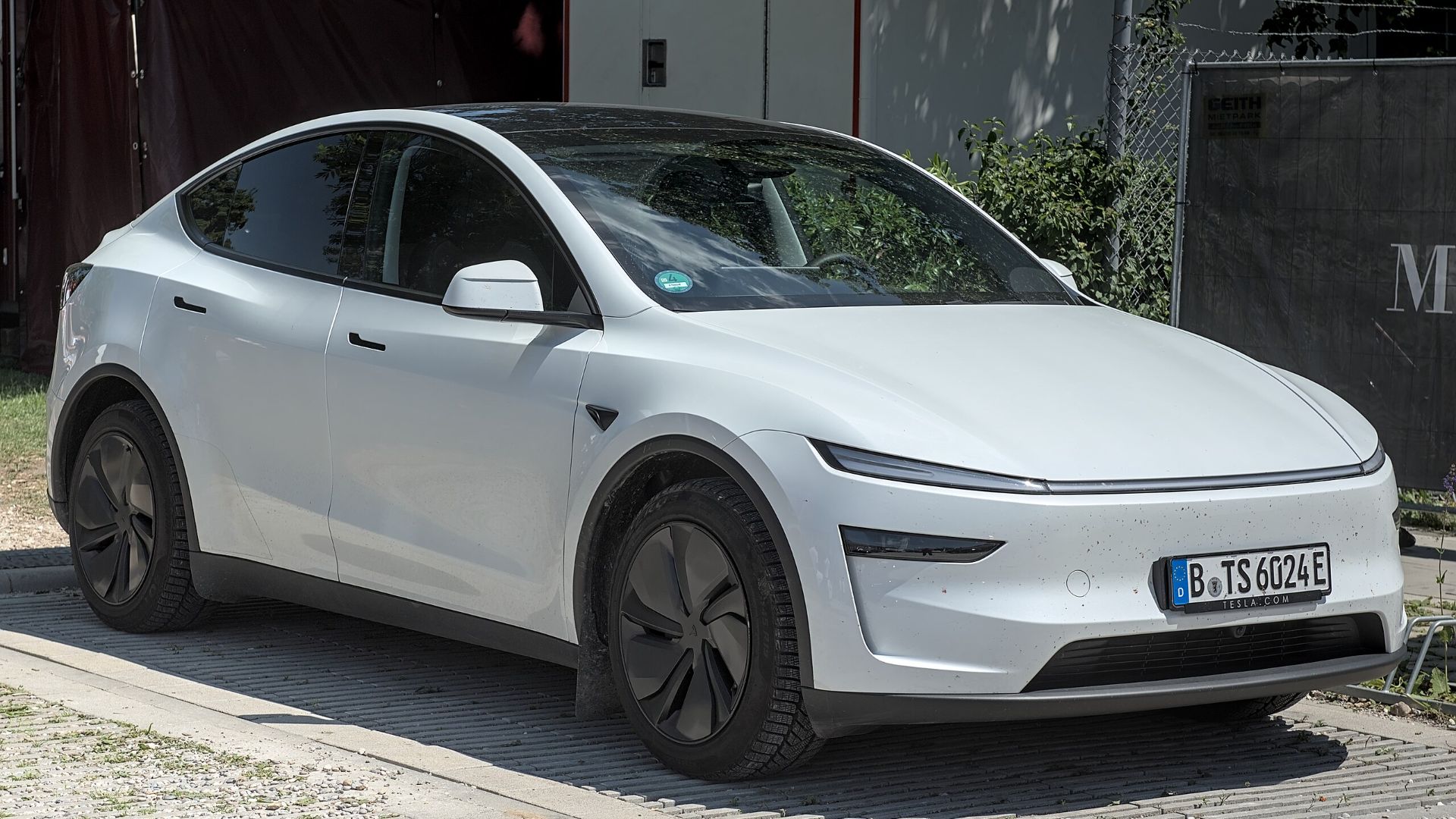
Tesla’s robotaxi expansion has a new stop: Arizona. State regulators just approved a Transportation Network Company permit for the automaker, clearing the way for paid, app-hailed rides in the Grand Canyon State. That puts Arizona alongside Texas and California on the growing list of states where Tesla’s fleet is racking up commercial miles, though “commercial” comes with a big asterisk.
What the Arizona Permit Actually Allows
The permit issued by the Arizona Department of Transportation lets Tesla operate a ride-hailing service using vehicles running Full Self-Driving (Supervised). Despite the “robotaxi” branding, nothing about the underlying supervision requirement has changed. Every vehicle still needs a trained human in the car, ready to take over immediately if the software makes a mistake. In some states that person sits in the driver’s seat; in others, the passenger seat with a kill switch works just as well. Either way, this is not driverless operation — it’s supervised automation wearing a robotaxi costume.
Why the Rollout Keeps Getting Smaller
Not long ago, Tesla was projecting that its robotaxi network could reach roughly half the U.S. population by the end of the year. That timeline has quietly shrunk. Only a small number of additional cities are expected to come online before December, a far cry from the sweeping national rollout once promised. State-by-state regulatory approval, not software readiness, appears to be the real bottleneck slowing things down.
How Tesla Stacks Up Against Waymo
The comparison to Waymo remains the elephant in the room. Waymo’s vehicles operate at a true driverless level in multiple cities, with no human safety monitor required. Tesla’s California permit structure won’t allow the company to advance to that same tier — Level 4 autonomy, meaning zero human intervention — until its technology proves it can operate without a supervisor at all. That threshold hasn’t been met, and Tesla hasn’t offered a firm date for when it might be.
The Bigger Picture
Arizona has long been friendly territory for autonomous vehicle testing, having hosted Waymo’s own driverless expansion years earlier. Tesla picking up a foothold there fits a pattern of the company chasing states with established regulatory frameworks for AV testing rather than pushing into entirely uncharted legal territory. It’s a pragmatic strategy, but it also underscores how far Tesla still has to go before “robotaxi” means what the word implies. For now, every new state approval is another incremental step, not a finish line.
Related Articles
- Tesla Planning Multiple Major New Vehicle Launches For 2025
- Kia Catches Fire In Driveway Shortly After Dealership Service Visit