
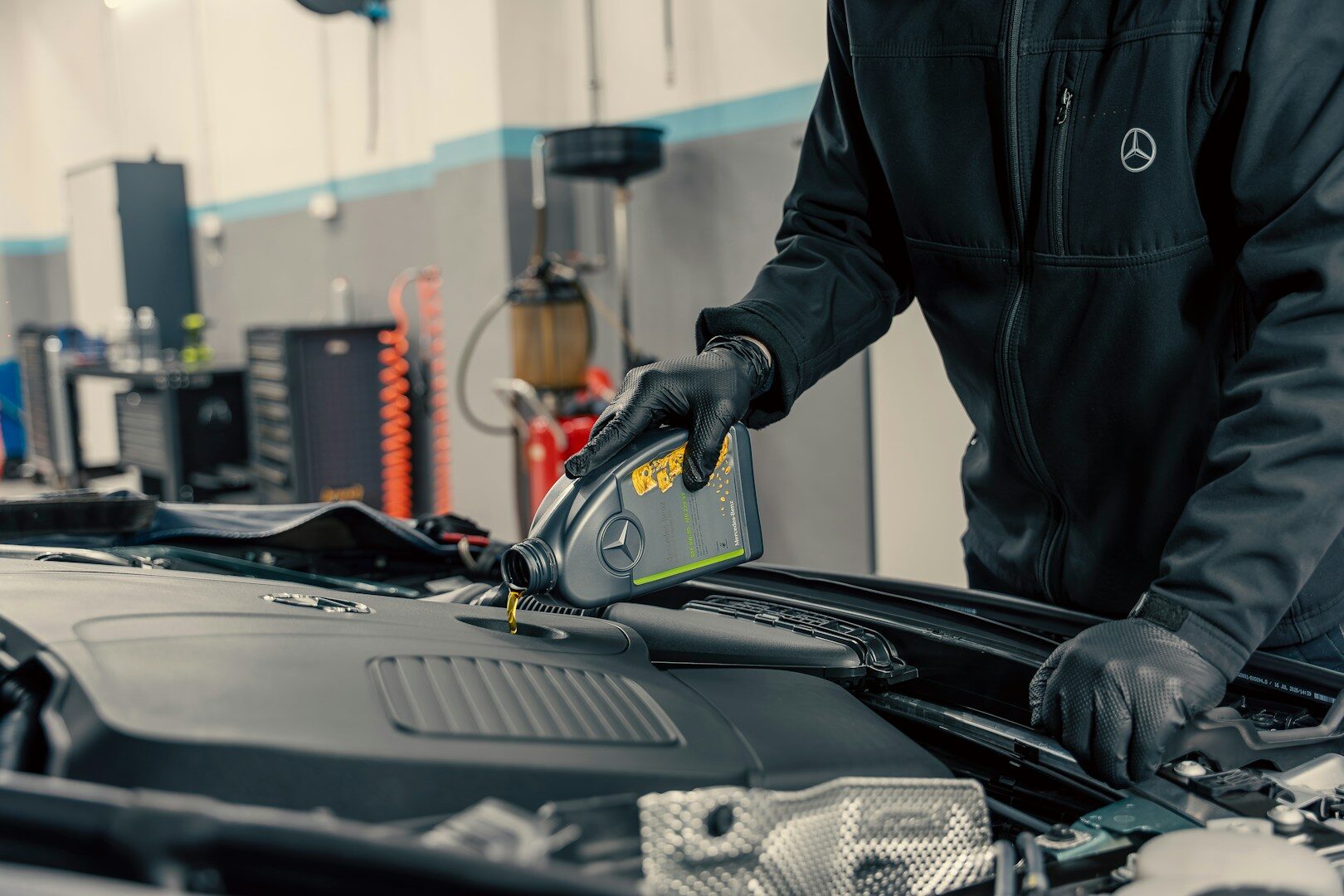
You went in to a quick-lube shop for an oil change. You’re leaving with a new cabin air filter, a “fuel system cleaning,” and a top-off of two fluids you didn’t know your car could lose. Nobody held a gun to your head. Somebody just held up a filter that looked like it had been marinating in a chimney. They explained things in a calm and mildly concerned voice, and made saying no feel irresponsible. That’s not bad luck. That’s the whole business model working exactly as designed.
Check out: Best Roadside Emergency Kits
None of this makes every technician a con artist. Plenty of them are straight shooters doing an honest job for not enough money. But the incentive structure underneath quick-lube shops rewards a bigger ticket regardless of whether you personally need any of it. The only real defense is knowing your own car’s numbers better than the counter assumes you do.
The Oil Change Was Never the Product
Ten or fifteen minutes of labor and a few quarts of bulk oil don’t generate much profit at a $29.99 price point. That price exists specifically to get your car up on the lift. Once it’s there, a “courtesy inspection” gives a technician a legitimate-sounding reason to walk you around your own engine bay and point at things. Some of those things genuinely need attention. Most visits, they don’t. Either way, the inspection’s real job is to turn a loss-leading oil change into a full ticket. That’s a different function than an honest diagnosis, and it’s worth remembering every time someone in a polo shirt starts pointing at your air filter.
We’ve covered how that same incentive problem warps the oil-change interval itself. How often you actually need an oil change has almost nothing to do with the sticker on your windshield. The add-on menu is just the next layer of the same pitch.
What That Cabin Air Filter Actually Does
The cabin air filter lives behind your glovebox. It filters the air blowing through your vents, not the air going into your engine. It has zero effect on horsepower, fuel economy, or engine longevity. Its entire job is keeping pollen, dust, and road grime out of your lungs, which matters if you have allergies and matters basically not at all if you don’t.
It’s also one of the cheapest, easiest parts on the car to replace yourself, which is exactly why quick-lube shops mark it up. The filter itself typically runs somewhere in the teens to low thirties of dollars. Swapping it is a five-minute, no-tools job on most vehicles. When a shop marks it up and adds labor for something that takes less time than tying your shoes, you’re paying a convenience fee. That’s not a mechanical necessity. And holding up a visibly gray filter proves it’s been in the car a while. It doesn’t prove the filter is overdue by your manufacturer’s actual interval — usually somewhere around 15,000 to 25,000 miles or once a year, whichever a shop conveniently never mentions.
The “Fuel System Cleaning” Pitch Quick-Lube Shops Love
Here’s a fact most drivers never learn: every gallon of gasoline sold in the United States has been required to contain detergent additives since 1995. That’s under a Clean Air Act standard the EPA calls the Lowest Additive Concentration rule. That requirement exists specifically to keep injectors and intake systems from gunking up. So when a quick-lube counter offers a generic “fuel system cleaning” to every car that rolls through, regardless of mileage, engine type, or symptoms, that’s a red flag. They’re selling you a fix for a problem the fuel you already bought was designed to prevent.
There’s a real exception worth knowing: direct-injection engines spray fuel straight into the cylinder instead of over the intake valves. So they don’t get the cleaning benefit of those detergents on the valves themselves, and they can develop genuine carbon buildup over time. Fixing that requires walnut-shell media blasting or a proper intake cleaning by someone who knows your specific engine. It’s not something a bottle poured into the fuel rail during an oil change can solve. If a shop can’t tell you which problem they’re actually solving, they’re not solving one.
Flushes and Top-Offs on a Schedule Nobody Asked For
The Federal Trade Commission’s own consumer guidance on auto repair flags this exact pattern directly. Some shops build their own maintenance schedules that call for more frequent service than the manufacturer recommends. The agency’s advice: compare whatever the shop is pushing against your owner’s manual. Ask the shop to explain “why it recommends service beyond the recommended schedule.” Transmission fluid, coolant, and power steering fluid all have manufacturer-specified intervals. Those intervals typically run in the tens of thousands of miles, not however many times you’ve stopped in for an oil change this year. If a shop recommends a flush at every single visit regardless of mileage, that’s a sales calendar, not a maintenance calendar.
This is the same trap we’ve written about with dashboard warning lights that lie about when you actually need service. It’s why the honest answer to how often you should really change your oil keeps coming back to the same source: the book that came with your car, not the counter you’re standing at.
How to Not Get Played by a Quick-Lube Shop
Ask for a written estimate before anything happens beyond the service you came in for. Make sure it states the shop will contact you before doing work that exceeds it. Ask them to point to where in your owner’s manual the recommended service lives — if they can’t, that’s your answer. Look for ASE certification as a baseline, not a guarantee. Know that shops in AAA’s Approved Auto Repair network must keep a final bill within 10% of the written estimate without getting your okay first. For anything expensive or unfamiliar, a second opinion costs you a diagnostic fee and saves you from a much bigger one.
Keeping your own maintenance records also removes the shop’s biggest advantage: your uncertainty. A tech guessing at how old your cabin filter is has no leverage if you already know the date it was installed. That kind of discipline is exactly what separates cars that mechanics expect to hit 300,000 miles from the ones that don’t. And it costs nothing but a folder or a notes app entry. For more on the habits that actually extend an engine’s life instead of just extending your receipt, we’ve broken down how to make your engine last forever in detail.
The upsell at your local quick-lube shop isn’t a scandal. It’s retail, dressed up in a shop coat. But retail only works on you if you don’t know what you’re actually shopping for, and now you do.
Sources: Federal Trade Commission, “Auto Repair Basics” consumer guidance; AAA Approved Auto Repair program standards; U.S. EPA gasoline detergent additive requirements under the Clean Air Act.