
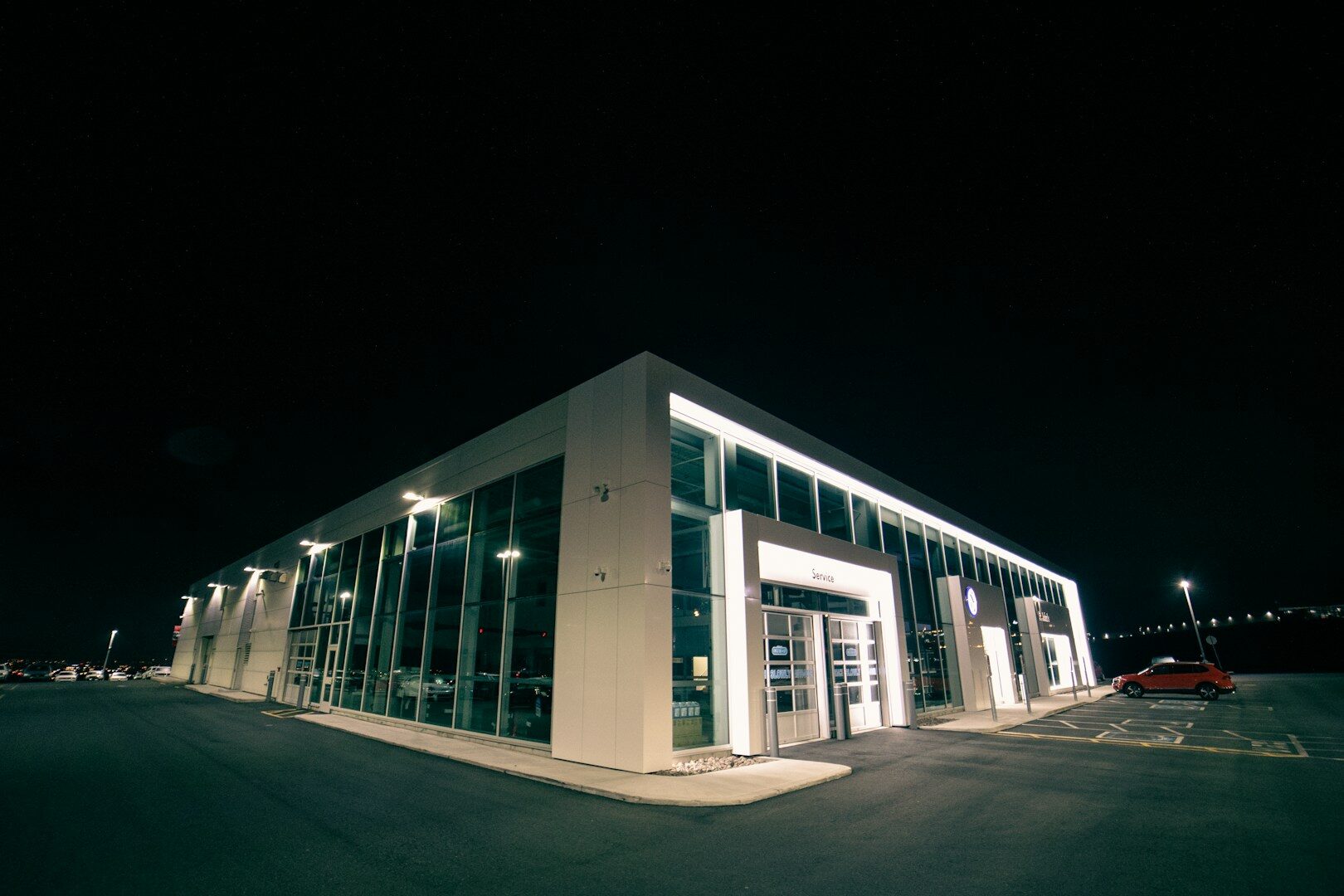
Ten car dealerships in the small, rural markets of upstate New York spent the better part of three years being run, or fought over, by two men who couldn’t agree on who was actually in charge. That confusion, a judge has now ruled, wasn’t an accident.
On July 10, an Albany County Supreme Court judge ordered dealer Walid “Wally” Darwish to pay just over $30 million to business entities tied to Potamkin Automotive Group, following a bench trial that found he spent years diverting manufacturer funds, inflating his own paycheck, and sabotaging the very dealerships he claimed to own once he lost control of them.
The number is the headline. It isn’t the story.
The real story is that Darwish never controlled the dealerships he was accused of looting. He signed that control away on the day he acquired them, then spent three years in court insisting he hadn’t.
The Deal That Was Too Good to Check the Fine Print On
In early 2022, Darwish landed what most dealers spend a career chasing: the chance to buy ten operating stores from the Fuccillo group for no blue sky. In dealer terminology, blue sky is the premium a buyer pays above hard assets for an established, profitable franchise, essentially the price of goodwill. Paying zero blue sky for ten stores is the dealership equivalent of buying a house for the price of the dirt underneath it.
Darwish didn’t have the tens of millions of dollars required to close, so he borrowed roughly $62 million from lending affiliates of Potamkin Automotive Group, a dealer group that was, in this deal, acting less like a retailer and more like a private-equity shop. About $46.5 million went toward the real estate under the stores, with the balance used to capitalize the dealerships, according to the court’s findings.
That financing came with strings, and Darwish knew it. The loan required both of his holding companies to be run by a three-person management committee and a three-person board, on each of which he held a single seat. No individual member could act alone. A separate contribution agreement contemplated folding the dealerships into a new entity in which Darwish would hold just a 35% stake. He remained the dealer principal, the individual licensed with the manufacturers and the public face of the stores. As an owner, though, he was outvoted before he ever opened for business.
Wait, Manufacturers Just Hand Dealers Cash?
They do, and it’s one of the more overlooked mechanics of dealer finance. Automakers periodically advance dealers money tied to facility upgrades, sales incentives, or transition assistance. The court’s decision cites two such advances totaling $4.77 million. That money isn’t the dealer’s to spend; the dealer holds it, functionally, as a trustee, obligated to apply it to the purpose the manufacturer intended. Trial testimony the court found credible showed Darwish instead used more than $1 million of it to retire personal loans and buy his parents a house. It’s a detail worth remembering well beyond this case: dealer principals routinely handle manufacturer cash that isn’t legally theirs, and treating it as a personal slush fund is exactly the shortcut that turns a financing dispute into a fiduciary-duty trial. The Auto Wire has tracked similar cracks in manufacturer trust systems before, including a case where a group of dealerships got caught financing the same 81 cars twice.
The Part That Should Worry Every Minority Partner in a Dealer Deal
Darwish’s defense, stripped down, was that none of the governance paperwork should count because his name was the one on the manufacturer agreements and he was the one who’d actually run the stores. The court didn’t buy it, partly because Darwish had emailed himself signed copies of the governance documents before the closing even took place, proof he understood exactly what he’d agreed to. The judge went further, finding Darwish testified falsely about numerous material facts and applying a doctrine called falsus in uno to disregard his testimony almost entirely. It fits a pattern this site has tracked before, from a Utah shop nailed for forging a dead customer’s signature to move hail-wrecked cars, to dealers convinced their name on the door means the rules don’t apply to them.
That mismatch is the mechanism worth watching. As dealer acquisitions increasingly lean on outside capital, whether from private equity, larger dealer groups acting as lenders, or hybrid arrangements like this one, the person whose name sits on the state license and the manufacturer’s franchise agreement isn’t necessarily the person calling the shots. Franchise law in most states is built around a single, accountable dealer principal. The real balance of power can live somewhere else entirely, inside an LLC operating agreement no manufacturer ever reviews. Darwish is the extreme version of that mismatch. He won’t be the last dealer to discover the difference between holding the title and holding the power.
The Scorched-Earth Part
Once Darwish was terminated in July 2023, he didn’t step back. He told employees to ignore the new management. He worked with his son to disable the dealerships’ websites and email domains immediately after his firing, severing the customer pipeline the stores had inherited from Fuccillo. Roughly 400 employees turned over during his tenure between layoffs and departures, in small markets where experienced staff isn’t easily replaced. Asked what could have turned the stores around, one longtime employee gave the court a two-word answer: “Remove Wally’s name.”
It’s a reminder that a dealership’s value isn’t only real estate and franchise rights. It’s institutional knowledge and digital infrastructure that a bitter former owner can gut in an afternoon. Who controls the domain registrar and the website host deserves as much attention in a dealership sale as the purchase agreement itself.
Why the Damages Number Is Actually Two Numbers
The $30 million breaks down to $21.75 million in compensatory damages, a $560,962 setoff, and $7.7 million in punitive damages. Punitive damages are unusual in a case built substantially on breach of contract and fiduciary duty; courts reserve them for conduct that crosses from bad business judgment into deliberate deception of the court and the parties themselves. That’s what pushed this from an expensive contract dispute into something closer to fraud in the judge’s eyes.
And $30 million is only part of the total. A pretrial summary judgment ruling, later upheld on appeal, had already stripped Darwish of operational control and cleared the way for Potamkin-affiliated entities to sell the dealerships for roughly $40 million. Add it up, and the litigation delivered Potamkin’s side roughly $70 million in value on top of vindicating its original $62 million loan structure. For a party that entered this deal as a lender, that’s a remarkable return, and a reminder that in a fight over governance documents, the side that drafted them usually wins.
What to Remember After the Number Fades
More legacy, family-run dealer groups sell every year because there’s no next generation ready to run them, and more of those sales get financed by parties who want equity and control, not just interest payments. That isn’t inherently bad; Darwish got a shot at ten dealerships he could never have financed on his own. It’s part of the same dealer-network friction The Auto Wire flagged in its recap of dealer groups clashing with manufacturers earlier this year. But when a buyer takes the capital and rejects the strings attached to it, the resulting fight is never really about the funds advanced or diverted. It’s about who actually owns an American car dealership when the manufacturer, the state, the lender, and the paperwork can each give you a different answer.
Darwish signed away control of his own dealerships the day he bought them. It took a three-week trial and a nine-figure judgment for him to admit it.