
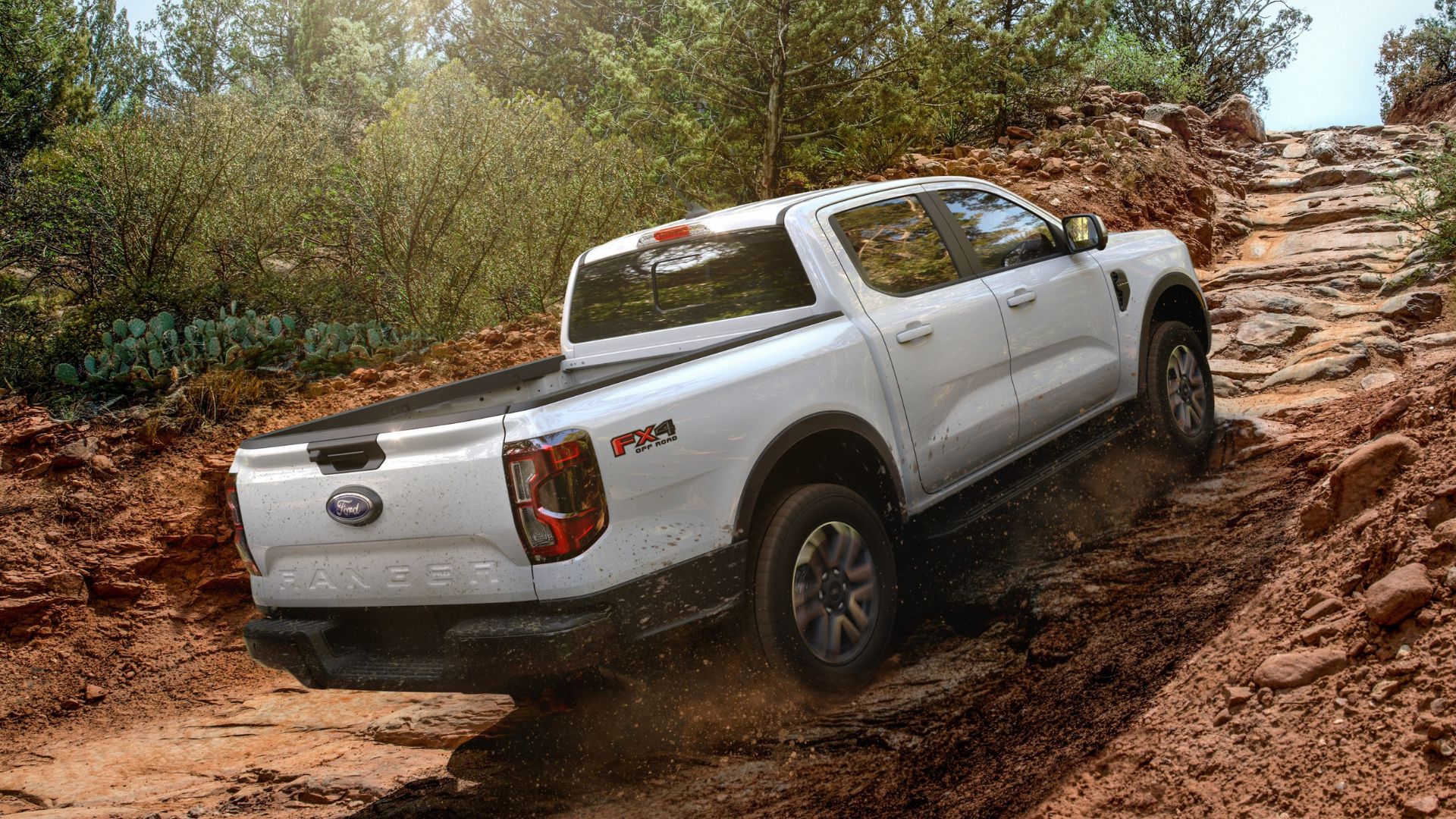
Ford Ranger was Australia’s best-selling new vehicle for three straight years, and this year opened right on schedule: on top in January, February, and March. Then August happened. The Ranger fell to fifth. Not because buyers walked away. Because Ford wouldn’t let them.
That distinction matters more than the sales chart itself.
The Ranger’s August result, 2,440 deliveries, was its worst since the current-generation truck launched in July 2022: roughly 30 percent below what Ford itself expected for the month, and down more than 50 percent from the same month a year earlier. The Toyota HiLux, which finished third that month, delivered almost double the Ranger’s total without doing anything differently at all.
Here’s the part that got buried under the headline: the trucks that didn’t sell in August weren’t unbuilt, and they weren’t stuck on a ship somewhere. Many were already sitting on dealer lots, paid for, prepped, ready to drive away. Ford simply wouldn’t let dealers hand over the keys.
The reason is a recall covering 13,907 Ranger double-cab utes built between late November 2025 and early July 2026. The recall notice describes a manufacturing flaw that lets the side curtain airbag catch on B-pillar trim as it fires, potentially stopping it from inflating properly, and warns that the dislodged trim piece can become a projectile inside the cabin during a crash. That’s a genuine safety defect, not a paperwork technicality, and it earned the recall it got.
What Ford did next is the more interesting decision. Rather than let dealers keep selling unaffected stock while it sourced replacement parts, Ford placed every recalled Ranger already sitting in dealer inventory under a delivery and demonstration hold, freezing them in place until they were repaired. Ford told CarExpert the hold is why its reported August volume landed well below plan, adding that the shortfall reflects “the delayed timing of Ranger deliveries rather than a material change in customer demand.”
That claim is probably true, and it exposes something most monthly sales charts quietly obscure. A sales ranking looks like a scoreboard for popularity. It’s actually a scoreboard for how many finished, compliant vehicles a manufacturer was cleared to release in a given month. Recalls, port delays, chip shortages, even a held-up compliance plate all register as demand to anyone reading the chart at face value. The Ranger didn’t get less popular in August. It got less available.
It’s the same trap that made Ford’s own U.S. sales chart look confusing last month, for entirely different reasons.
There’s a cost to that hold that never shows up in a press release, either. Dealers don’t stock new vehicles for free; inventory is typically financed through floorplan loans, meaning a dealer pays interest on every truck sitting on the lot, sold or not. A recall hold doesn’t just delay a sale, it keeps that financing clock running on trucks nobody is allowed to move. Multiply that across almost 14,000 vehicles, and it’s dealers, not Ford’s head office, absorbing a real chunk of the bill for a defect they didn’t cause.
Now the part American readers should actually care about: this recall almost certainly never reaches your driveway. The global Ranger sold across Australia, Thailand, and most right-hand-drive markets is built in Thailand. The Ranger sold in the United States is a different build entirely, assembled at Ford’s Michigan Assembly Plant. Same nameplate, same generation of platform, different factories, different supplier contracts and, evidently, different trim clips. A quick check of NHTSA’s own recall database turns up zero open recalls for the 2026 model-year U.S.-market Ranger as of this writing. Same name. Not the same truck.
That’s worth remembering the next time an alarming overseas recall headline crosses your feed. Global platforms share engineering. They don’t always share a parts bin.
It’s also worth separating this from the industry’s biggest airbag scandal, because the language invites the comparison. The Takata inflator crisis spent the better part of a decade teaching regulators and owners that an airbag defect can be lethal, not cosmetic. This isn’t that. Ford’s problem lives in the trim and deployment path around the airbag, not the inflator or the propellant. But the Takata hangover is exactly why any modern recall pairing the words airbag and projectile triggers an immediate delivery freeze, regardless of how contained the actual risk turns out to be.
Ford says it’s already secured the parts and expects Ranger deliveries, and its spot on the sales chart, to recover in September. That’s plausible. It’s also not really the point. This isn’t the only Ford recall working through the system this year, and it fits a longer pattern that includes a 2026 piston recall spanning five nameplates, a seat safety recall covering nearly 180,000 Broncos and Rangers, and a brake booster recall from last year, to say nothing of individual owners who’ve faced their own lengthy dealership repair sagas. None of those defects are related to each other. What they share is a modern global platform with enough regional variants and shared components that something is almost always moving through a repair queue somewhere.
The lesson worth keeping has nothing to do with Ford specifically. It’s about reading a sales chart correctly. A monthly ranking looks like a poll of what people want. Most of the time, it’s closer to an inventory report wearing a demand report’s headline. The Ranger didn’t lose its three-year crown to the HiLux in August. It lost it to a hold notice.