
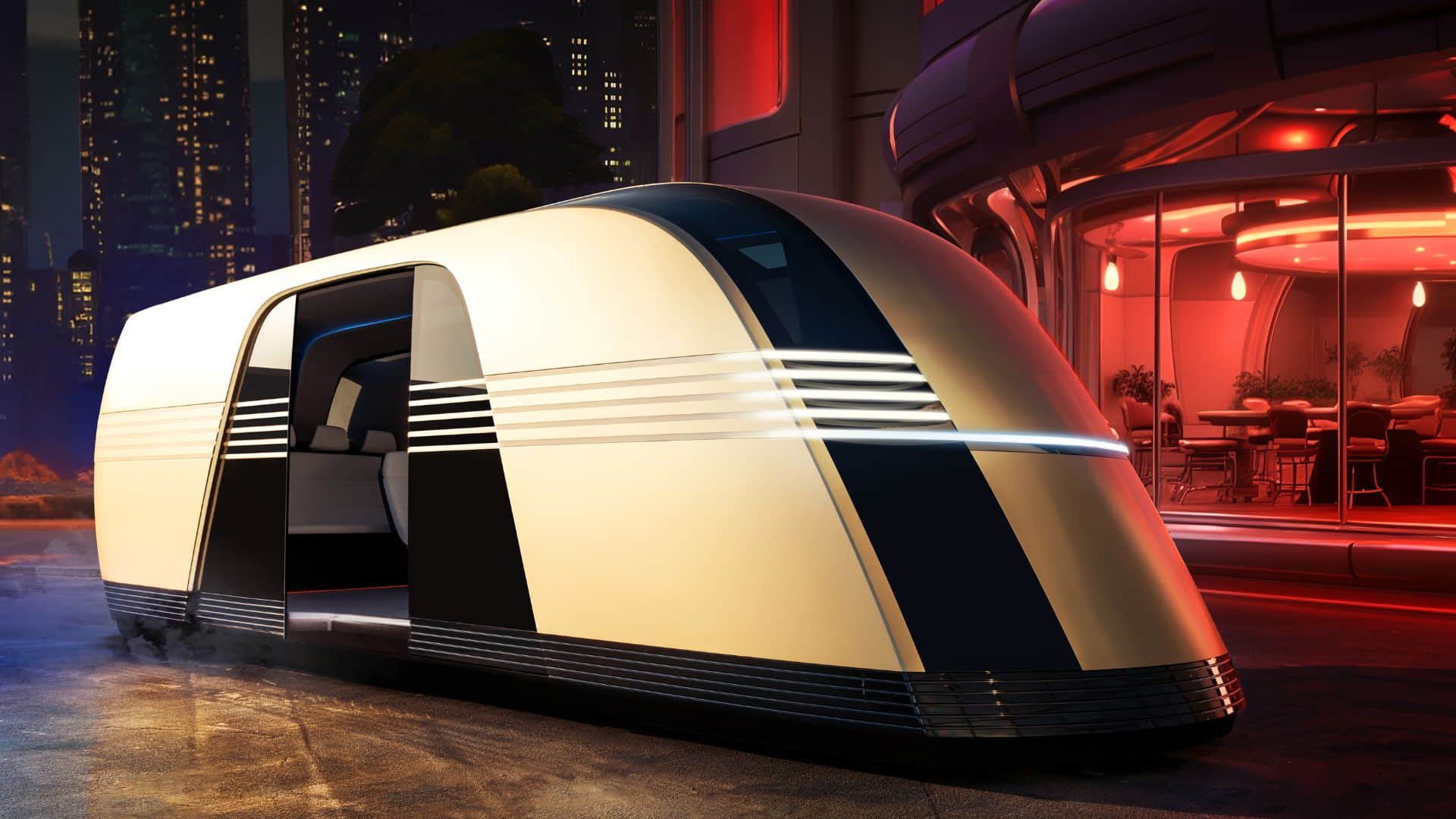
One day after Tesla started charging real money for driverless rides in Austin, a number went viral: 73,000 people had clicked their way onto Tesla’s Cybercab fleet interest form. Cue the headlines about overwhelming demand. Here’s the problem. Nobody signed anything. Nobody paid anything. And the form itself isn’t even aimed at people who might want to ride in one. It’s aimed at businesses that might want to buy a fleet of them.
That distinction matters more than the headline number. This isn’t really a story about how badly America wants driverless cabs. It’s a story about Tesla quietly testing a business model it has never actually run before, selling hardware wholesale to fleet operators, at the exact moment federal regulators are still deciding whether that hardware is legal to sell at all.
A Lead Is Not an Order
Tesla knows the difference between a real reservation and a soft one, because it invented the modern version of both. Model 3 reservations opened in 2016 with $1,000 down. Cybertruck reservations opened in 2019 with $100, refundable, and the running count climbed past a million before Tesla quietly pulled the live counter off its website once deliveries started and the gap between reserved and sold became impossible to ignore.
The Cybercab fleet form doesn’t even clear that low bar. It asks for contact information, nothing else. No deposit, no signature, no purchase commitment, just a company saying tell me more. Treating 73,000 of those clicks as backlog means treating a lead-generation funnel like a sales ledger. Tesla’s own robotaxi service is thought to be running roughly 1,000 Cybercabs in Austin this week. The gap between that number and 73,000 isn’t demand outrunning supply. It’s marketing outrunning manufacturing, and those are very different problems.
Why Tesla Wants a Different Kind of Customer
Rewind to October 2024, when Musk first unveiled the Cybercab concept, and the plan Tesla described was Tesla-owned. Tesla would build the cars, run the app, and operate the fleet itself, essentially running its own taxi company. A wholesale fleet-sales program aimed at outside operators is a different business entirely. Outside capital buys the metal. Outside companies carry the insurance and depreciation risk. Tesla collects a margin on hardware and software without financing an entire taxi fleet off its own balance sheet.
That shift lines up with where Tesla’s finances actually sit. The company crossed $100 billion in annual revenue this year, and its operating profit got cut by more than half over the same stretch. A company protecting margin has every reason to prefer selling robotaxis to fleet operators over buying and running all of them itself. Fleet sales move the capital-intensive part of the robotaxi business off Tesla’s books and onto someone else’s.
The Part the Interest Form Doesn’t Mention
Here’s what a fleet operator is actually signing up to inherit. Hours after Austin service went live, NHTSA opened a federal audit into how Tesla certified that a car with no steering wheel, no pedals, and no mirrors meets every applicable federal safety standard. The Auto Wire has covered that fight in detail, including the two paths every automaker faces when it wants to sell a car without human controls, and why Tesla picked the one Amazon’s Zoox already tried and abandoned.
The short version: Zoox spent roughly a year going through NHTSA’s formal exemption process, capped at 2,500 vehicles a year, before winning approval this past summer. Tesla skipped that process and certified the Cybercab under its own authority instead. If that self-certification doesn’t hold up under NHTSA’s audit, the fix isn’t a recall notice mailed to individual owners. It’s a fleet-wide order pulling paid vehicles out of commercial service, landing directly on whichever companies bought in early. An individual car buyer with a lemon has decades of consumer-protection law on their side. A fleet operator with fifty grounded Cybercabs has a business problem, not a warranty claim.
Nobody Has Written This Insurance Policy Yet
There’s a second inheritance nobody’s talking about: liability. Waymo and Zoox both own and operate their entire fleets themselves, which keeps liability risk in-house rather than pushing it onto a customer. Tesla’s wholesale model does the opposite. It hands a vehicle with no manual failover, no steering wheel to grab, no brake pedal to stomp, to a company that then has to go find commercial insurance for it. That market barely exists yet. There’s no deep actuarial history for a passenger vehicle that gives a rider nothing to do if the software gets confused, because until this year almost nobody outside a handful of Waymo and Zoox test markets had sold rides in one at scale. Fleet buyers aren’t just betting on Tesla’s technology. They’re betting on being able to insure a product category the insurance industry hasn’t finished pricing.
What Actually Matters Once the Headline Fades
The 73,000 figure will be forgotten by next quarter’s earnings call. What won’t be forgotten, one way or another, is which regulatory path won. If Tesla’s self-certification survives the audit, every other automaker gets a faster, cheaper template for deploying driverless vehicles: certify it yourself, sell it wholesale, and let the market, including the fleet buyers, absorb whatever risk is left over. If it doesn’t survive, Tesla ends up back on the slow road Zoox already walked, and the businesses that jumped on that interest form will have been early customers for a product that had to be pulled and re-certified.
A waiting list only tells you what people are willing to click. It doesn’t tell you what they’re allowed to buy. Seventy-three thousand sign-ups is a marketing number. One open federal audit is a legal fact. Only one of those can shut a fleet down, and it isn’t the one that made headlines this week.