
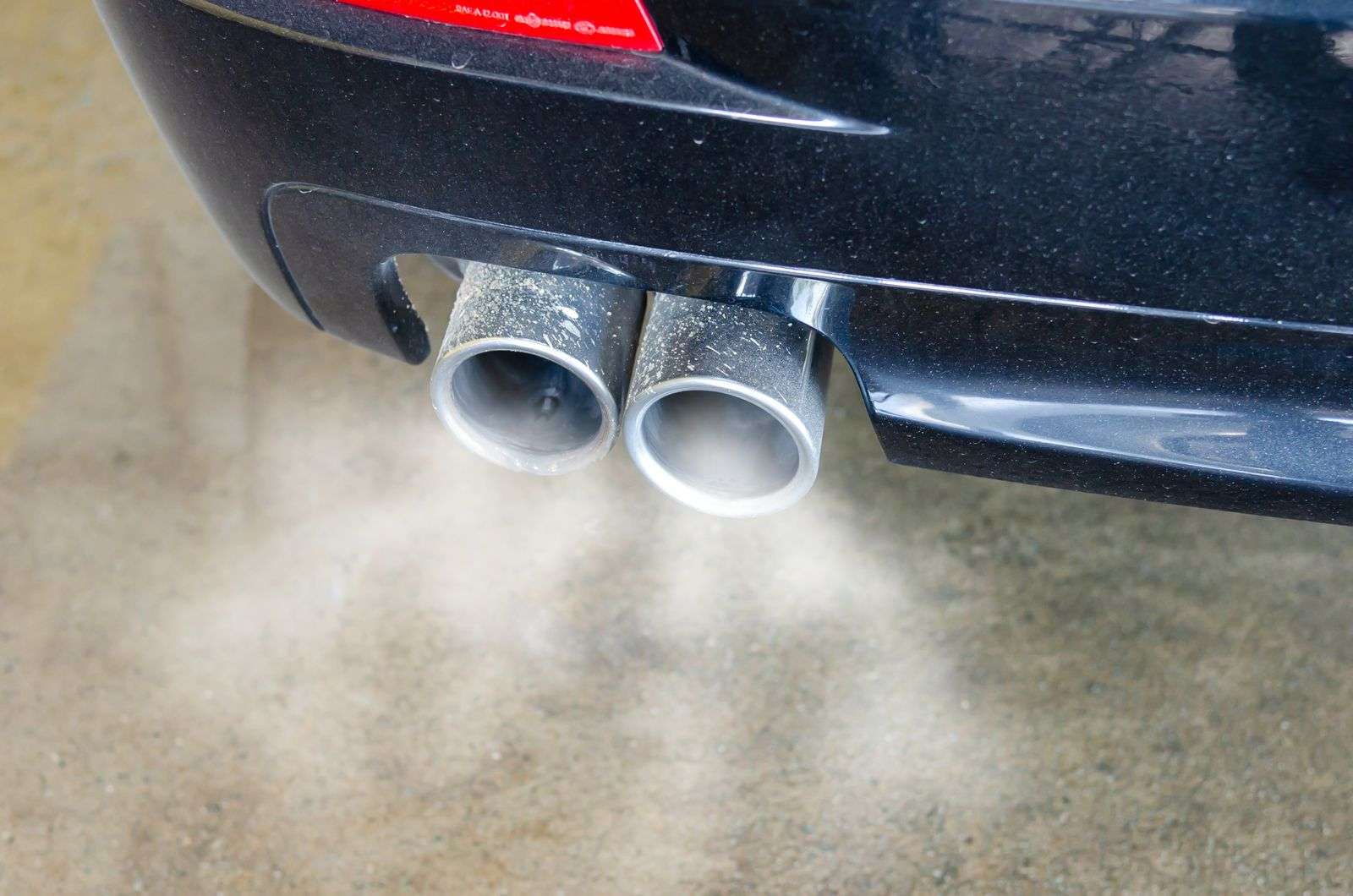
On September 18, 2015, the Environmental Protection Agency sent Volkswagen a five-page letter that would end up costing the company more than $30 billion, push out its CEO within a week, and rewrite how regulators test a tailpipe. The letter was a formal Notice of Violation of the Clean Air Act, and it accused Volkswagen of building diesel engines that could tell when they were being watched, and only cleaned up their act while a lab technician had eyes on the dyno.
What the EPA Said Volkswagen Did
Regulators alleged that roughly 482,000 Volkswagen and Audi 2.0-liter diesel vehicles sold in the U.S. since 2009 carried what the EPA called a “defeat device,” software that could recognize the steering position, speed pattern, and duration typical of a dynamometer emissions test and switch on full pollution controls only for that window. On the open road, the agency said, the same cars could emit up to 40 times the legal limit of nitrogen oxides. Within days, Volkswagen admitted publicly that some version of the software was installed in roughly 11 million vehicles worldwide, a scope The Auto Wire has covered in full elsewhere.
Volkswagen’s own compliance department didn’t catch the problem. It surfaced in 2014, when researchers testing “clean diesel” marketing claims drove Volkswagen models on real roads instead of a lab treadmill and found emissions far above what the cars’ EPA certification allowed. Regulators spent more than a year pressing the company for an explanation before Volkswagen admitted, just days ahead of the September 18 notice, that the gap wasn’t a testing fluke. It was intentional.
Why September 18, 2015 Mattered
The fallout was immediate. Volkswagen’s stock lost roughly a third of its value within days of the notice becoming public. CEO Martin Winterkorn resigned within a week, even while maintaining he had no personal knowledge of the cheating. What started as a 482,000-vehicle U.S. problem grew, within the same week, into an admitted 11-million-vehicle global scandal spanning Volkswagen, Audi, and Porsche models.
The legal exposure was just getting started. In January 2017, Volkswagen pleaded guilty to three federal felony counts, agreeing to pay $2.8 billion in criminal penalties on top of $1.5 billion in civil resolutions, money layered on top of the buybacks, recalls, and owner compensation the company had already committed to. It remains one of the largest corporate penalties in U.S. history tied to a single scheme.
Why It Still Matters Today

A decade later, the courtroom part of this story hasn’t closed. Volkswagen was ordered to stand criminal trial in France over Dieselgate earlier this year, and former VW employees have received prison sentences only recently, years after the initial notice. For buyers who assume corporate scandals settle quickly and quietly, Dieselgate is a reminder that the legal bill can keep arriving for a decade or more.
The testing regime changed too. Lab-only certification, the exact loophole the defeat device exploited, gave way to real-world, on-road emissions testing requirements in the European Union and influenced how the U.S. and other markets evaluate vehicles today. Diesel’s market share in Europe fell from more than half of new car sales in 2015 to under a fifth within less than a decade, while Volkswagen redirected billions toward electric models. Whatever else Dieselgate cost the industry, it compressed the diesel-to-EV timeline that was already coming.
It also hardened how aggressively regulators treat defeat devices, and that posture reaches ordinary owners today, not just automakers. The EPA’s own recent truck-emissions proposal points directly back to Volkswagen as the reason the agency now pursues defeat-device cases as federal felonies rather than warning letters, including a Justice Department investigation into more than 100,000 users of a diesel tuning app. If you’re buying a used diesel today, that history is worth checking: confirm any emissions recall or modification work tied to a vehicle’s VIN before you sign, since unresolved defeat-device issues can still affect resale value, registration, and, in rarer cases, legal liability for the owner who unknowingly bought a modified vehicle.
Ten years on, Dieselgate reads less like a scandal that ended in 2015 and more like the event that reset the rules everyone in the industry, regulators and automakers alike, is still playing by.
Do you think the auto industry actually learned from Dieselgate, or is it a decade-old warning that’s already fading?