
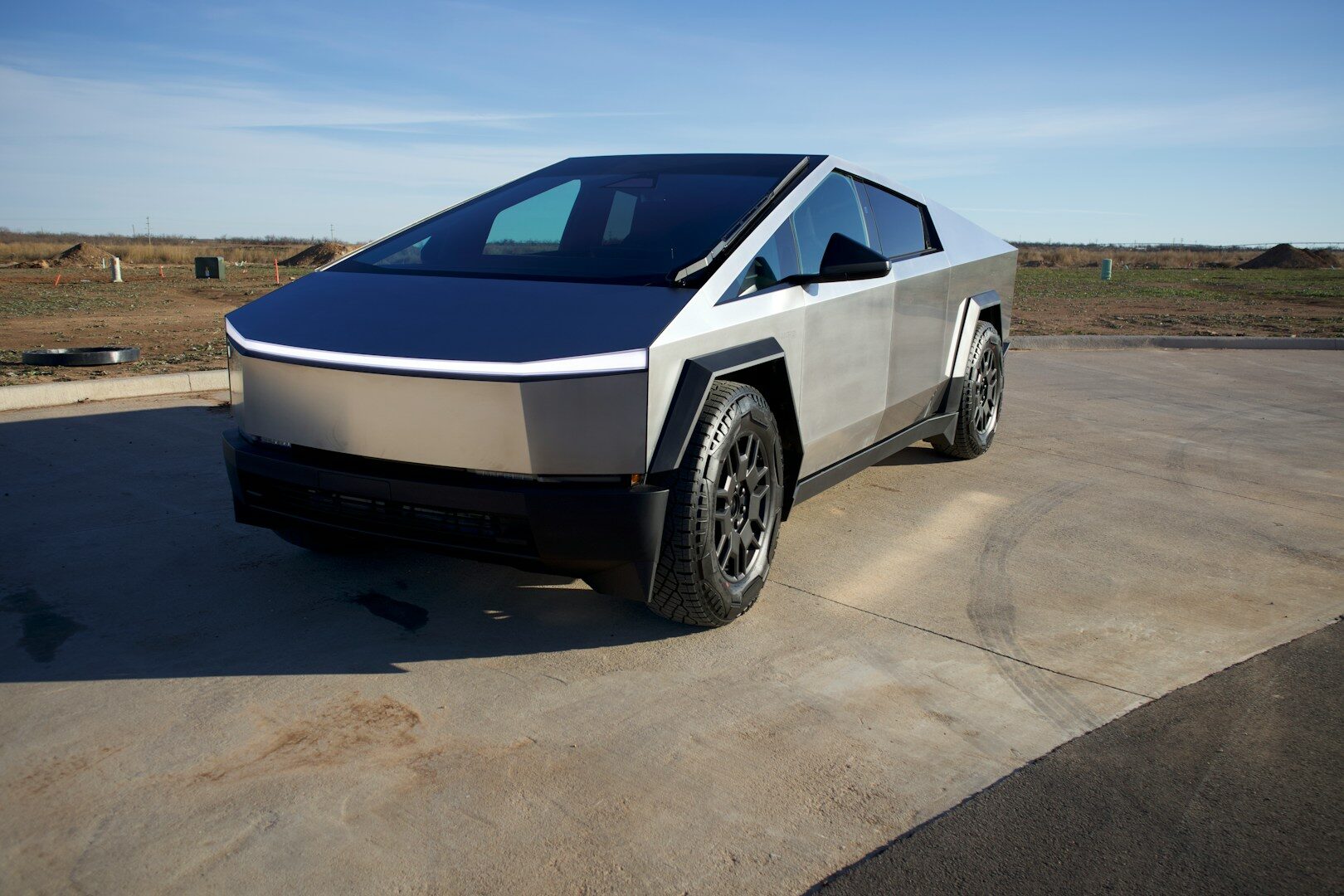
No federal inspector ever climbed inside Tesla’s Cybercab and signed off on it before it started carrying paying passengers around Austin. That is not a gap in enforcement. It is how the United States regulates cars. Automakers certify their own compliance with federal safety standards, then wait to see if anyone objects. In September, someone finally did.
On September 4, 2026, the National Highway Traffic Safety Administration opened what it calls an Audit Query into Tesla’s self-certification of the Cybercab, the two-seat robotaxi built with no steering wheel and no pedals. The agency wants to see the technical basis Tesla used to decide the Cybercab satisfies Federal Motor Vehicle Safety Standards despite lacking the manual controls those standards have long assumed. NHTSA Administrator Jonathan Morrison put it plainly: the agency needs to ensure that all of its laws are followed.
That idea is the whole story, and it hinges on a fact most car buyers never think about. Unlike the European Union, where regulators grant type-approval before a car reaches the road, the United States runs its vehicle safety system on the honor code. A manufacturer certifies its own vehicle compliant with FMVSS, sells it, and NHTSA polices that claim afterward through audits, complaints and crash data. For a century of cars with a wheel and two pedals, the system worked because the rules and the hardware matched up. Cybercab breaks that match. It has no control that a rule written for a human driver can even apply to, so Tesla had to decide, on its own authority, which decades-old requirements simply didn’t apply to a car nobody drives.
Here is the part Tesla’s marketing does not advertise: the rule that would explicitly bless a pedal-free design was not finished when Cybercab started carrying passengers. NHTSA only proposed eliminating the mandatory brake pedal for driverless vehicles in a rulemaking notice issued in late June, describing it as the fifth in a series of FMVSS updates still working through the federal process. The agency’s own language noted that once that process is complete, individual vehicle exemptions may no longer be necessary, a quiet admission that, until the rulemaking is finished, exemptions are still very much necessary. Tesla did not wait for one.
Compare that with how Amazon’s Zoox got permission to build essentially the same thing. In July, NHTSA granted granted Zoox a temporary Part 555 exemption, capping its driverless robotaxi at 2,500 vehicles a year for two years under an enhanced, adaptable oversight structure. Zoox asked first. Tesla asserted compliance and started charging fares. Both companies now have steering-wheel-free vehicles on public roads; only one of them is the subject of a federal audit into whether it was allowed to get there on its own signature.
There is a reason to move fast instead of waiting on Washington’s paperwork, and it is sitting in Tesla’s own SEC filings. The company’s 2025 CEO Performance Award, the pay package that could be worth trillions of dollars in stock if Tesla hits a ladder of milestones, lists one million Robotaxis in commercial operation as one of twelve operational triggers tied to those payouts. Scaling a driverless fleet is not just a product goal at Tesla; it is wired directly into how the company’s own chief executive gets paid. Tesla has been chasing that scale on every regulatory front it can reach, and Nevada alone just cleared the company to run up to 5,000 robotaxis around Las Vegas, more than it has deployed anywhere else combined. None of that makes Cybercab’s self-certification improper. It does explain why Tesla had every incentive to declare the car road-legal on its own terms rather than queue up behind Zoox for a negotiated exemption.
This is not Tesla’s first brush with the gap between what it claims about autonomy and what regulators and courts eventually decide. The company is already defending a securities-fraud class action alleging it misrepresented the capabilities of Autopilot, Full Self-Driving and Robotaxi to investors, and it disclosed in its latest quarterly filing that it routinely fields information requests from NHTSA, the National Transportation Safety Board, the SEC and the Justice Department covering those same systems. No agency has concluded any wrongdoing, and Tesla is careful to say so. But the pattern is familiar by now: ship the capability, let the marketing run ahead of the rulebook, and answer Washington’s questions afterward.
Riders hailing those vehicles through Tesla’s app are trusting the company on more than pedals and steering wheels. We have separately covered what Tesla still is not spelling out for Robotaxi passengers about the Grok chatbot now riding along in the cabin.
Strip away the bench seating and the trunk space built for golf clubs, and Cybercab is really a stress test of a regulatory system designed for a different kind of car. Self-certification works when the thing being certified still has a wheel to point back at, in its own defense. Take the wheel away, and the honor system has nothing left to check the paperwork against but the paperwork itself.
None of this means Cybercab is unsafe, and an Audit Query is not a recall or a ban. It is a request for Tesla to show its work. But the vehicle other automakers will eventually try to copy, a robotaxi with no fallback controls at all, was already picking up fares in Austin, Dallas, Houston, Miami, Orlando and Tampa before the federal government finished deciding what rules should govern a car nobody drives. Whatever the audit turns up, that sequence of events is worth remembering long after Cybercab becomes just another car on the road.
Should automakers be allowed to self-certify their own robotaxis as street legal? Let us know in the comments.