
Buyer Alert: A major fuel economy rollback just made the federal mileage target for new cars much easier to hit. On Monday, September 28, 2026, the Trump administration rolled out new Corporate Average Fuel Economy (CAFE) standards that set a fleetwide goal of roughly 34.9 mpg for the 2031 model year. The rules they replace, written in 2024, projected about 50.4 mpg for that same year.
If you already own a car, nothing about it changes. If you plan to buy new in the next few years, this rule changes what automakers have to build, and the money it saves or costs you depends on the vehicle you pick.
Who Is Affected
- New-vehicle shoppers. The standards govern what automakers sell. Buyers of upcoming model years feel it first, in both sticker prices and fuel bills.
- Crossover and small-SUV buyers. Starting with the 2030 model year, the rule reclassifies many crossovers and small SUVs as passenger cars instead of light trucks, which changes how they count toward each automaker’s target.
- Current owners. Your car’s mpg, warranty, and registration stay the same. You don’t need to do anything.
What the Fuel Economy Rollback Changed
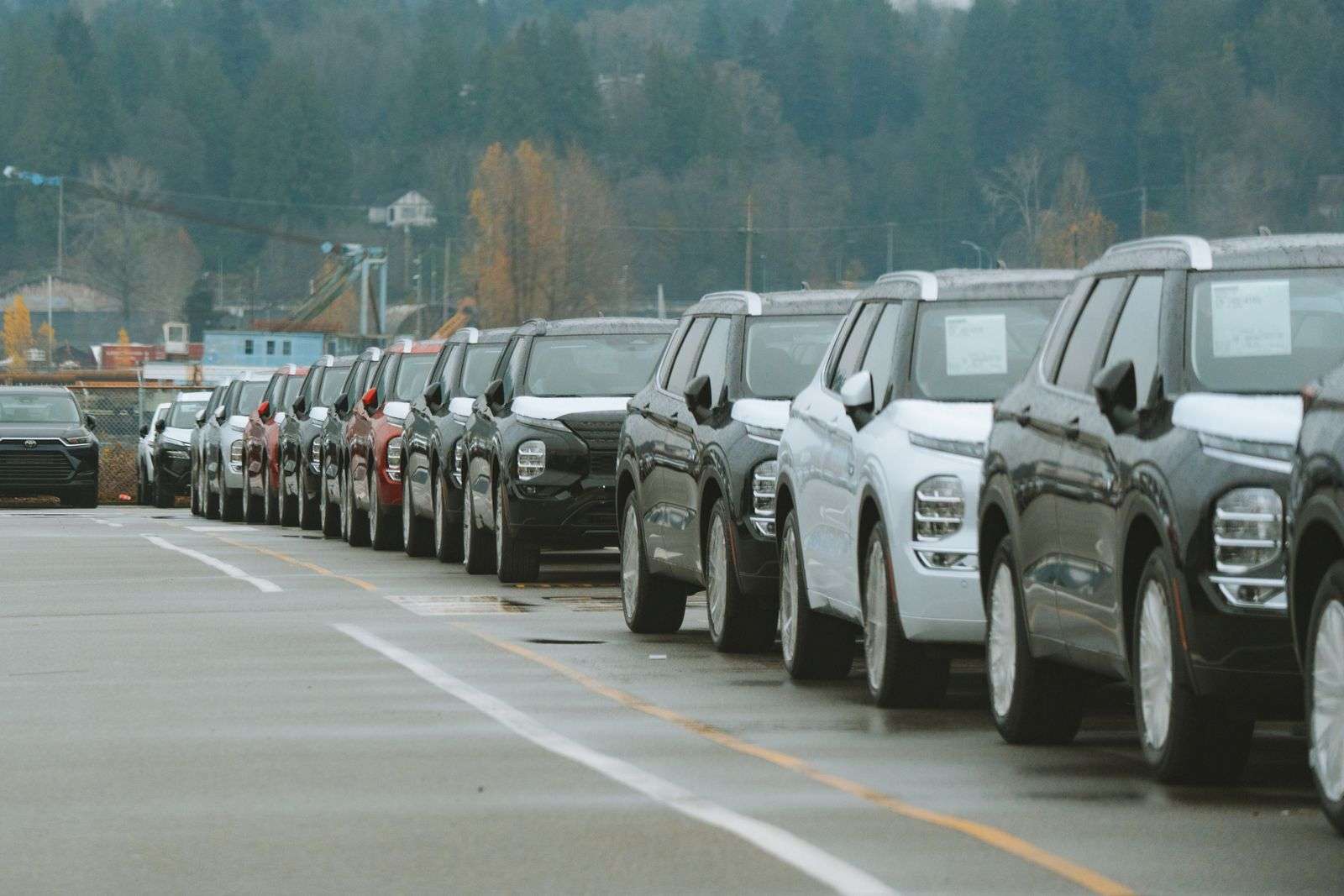
Transportation Secretary Sean Duffy announced the rollout on social media, and President Trump said the change would let families save “thousands” on a new car, according to the Associated Press. The Department of Transportation’s final rule announcement puts the savings at about $1,300 per vehicle and $138 billion over five years. When the department first proposed the reset in December 2025, it estimated $1,000 per vehicle and $109 billion. The proposal also called for small, gradual annual increases in the standard, and the final rule keeps its plan to end compliance-credit trading starting with the 2028 model year.
This comes on top of earlier moves. Fines for automakers that miss mileage targets have already been repealed, tailpipe emissions rules have been relaxed, and the $7,500 federal EV purchase credit is gone. We looked at the agency’s own cost math when this plan was moving forward in Fuel Economy Rollback: What NHTSA’s Own Numbers Say About Car Prices.
The Fuel Math
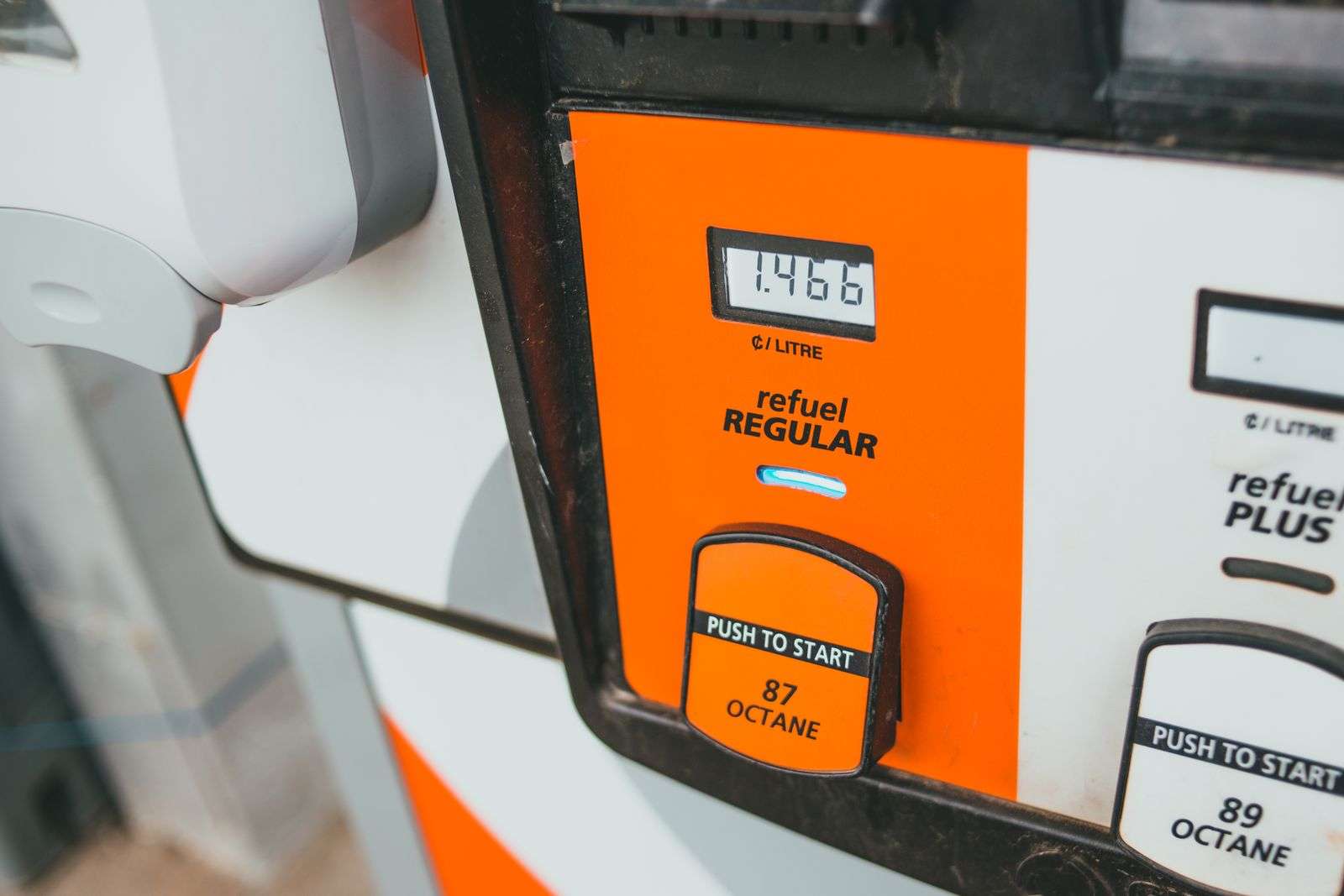
The promised savings show up once, at purchase. Fuel costs keep coming every month. The AP reports the national average for gas was $4.47 a gallon on September 27, up from $4.09 a month earlier. At that price, a driver covering 15,000 miles a year would spend:
- About $2,682 a year in a vehicle that gets 25 mpg in real-world driving
- About $2,235 a year in one that gets 30 mpg
That $447-a-year gap would cancel the $1,300 sticker saving DOT projects in just under three years, and it adds up to more than $2,200 over a typical five-year loan. Also keep in mind that a CAFE number is not the mpg printed on the window sticker. CAFE compliance values come from unadjusted lab tests, so they run well above the EPA label ratings drivers actually see. A 34.9 mpg fleet target does not mean the average new car will get 34.9 mpg on your commute.
What Owners and Shoppers Should Do
- Current owners: You don’t need to do anything. This rule doesn’t touch vehicles already on the road.
- Shopping now: Don’t hold off hoping prices drop. The average new vehicle sold for $50,089 in August, and retail prices depend on incentives, financing, and tariffs as much as on regulation. Any cost relief will show up slowly as automakers plan future model years.
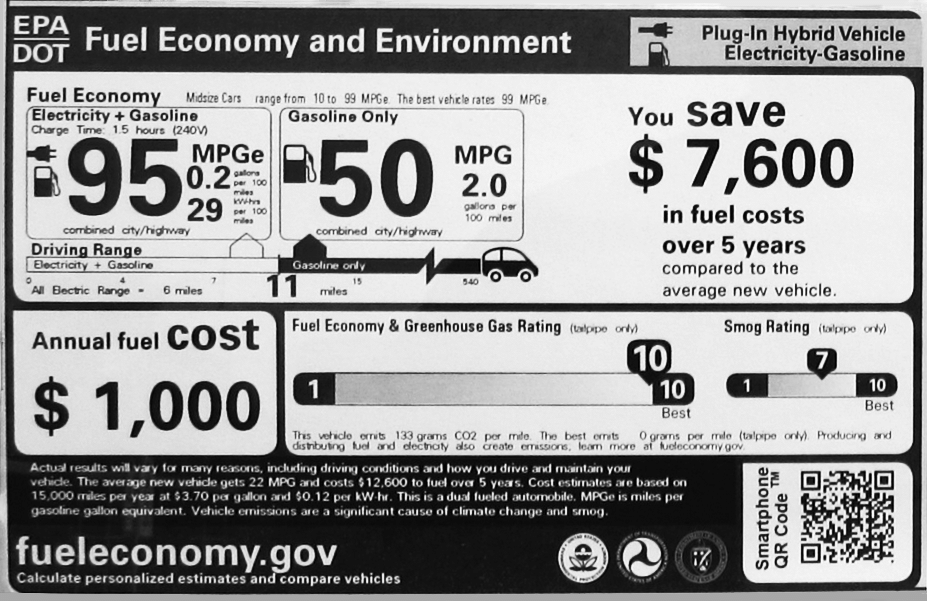
- Compare on fuel cost, not just price: Use the “annual fuel cost” and “you save/spend over 5 years” lines on the EPA label, then redo the math with your own mileage and your local gas price.
- Look at hybrids and EVs on total cost: Even with the federal credit gone, lower running costs can still matter. See our breakdown of what EV maintenance actually saves, and why automakers like Honda are betting on flexible hybrid production.
- Expect legal challenges: Environmental groups including the Center for Biological Diversity and the Sierra Club have criticized the rollback and vowed to fight it. Final details will be set by the rule text published in the Federal Register.
Fuel prices have been volatile across the board. Diesel buyers can see why in our look at record diesel prices despite high refinery output. State rules can also pull in a different direction from Washington, as California’s 2035 gas-car order showed.
Cheaper to Buy, Costlier to Run
Automakers now have more room to build and sell less efficient gas-powered vehicles. That could lower some sticker prices, but it moves more of the cost of owning a car to the gas pump, where drivers pay it every month. The shoppers who come out ahead will be the ones who compare total ownership cost, not only the price on the window sticker.
Would a lower sticker price be worth a few hundred dollars more a year in gas to you? Or does fuel economy still decide which vehicle you buy?