
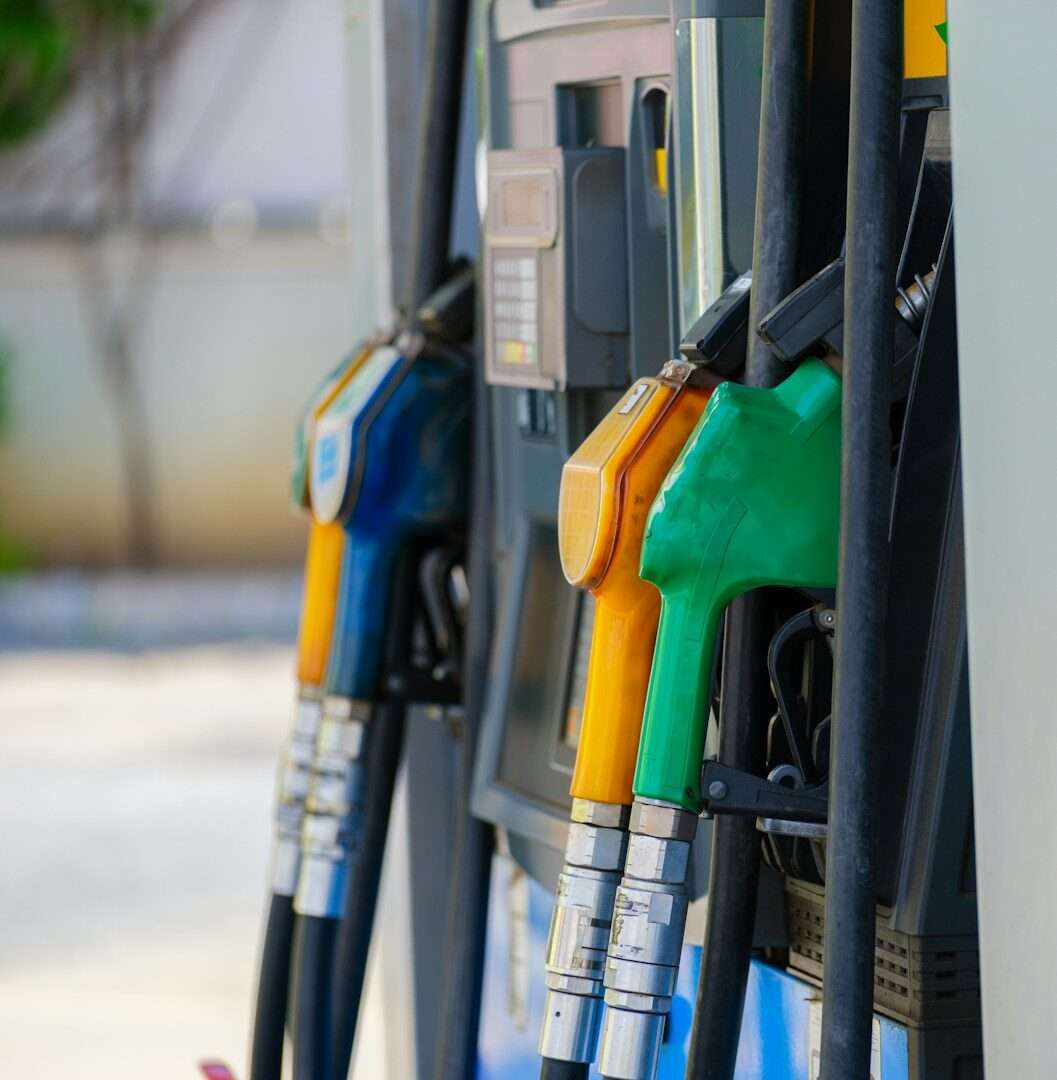
Record diesel prices by the numbers: U.S. Energy Information Administration weekly survey, week of Sept. 21, 2026
Diesel costs $6.53 a gallon on average in the U.S. That’s the highest price in more than three decades of federal weekly records. Diesel has now set a new all-time high three weeks in a row.
The old record of $5.81, set in June 2022, lasted four years. It fell on September 7, and prices have kept climbing since:
- Aug. 31: $5.60
- Sept. 7: $5.97 (new record)
- Sept. 14: $6.29 (new record)
- Sept. 21: $6.53 (new record)
That’s 93 cents a gallon in just three weeks. Diesel is up $2.78 from a year ago, roughly 74%, and has nearly doubled since January’s low of $3.46.
Gasoline is rising too
Regular unleaded averages $4.48 nationwide. That’s up 16 cents in a single week and $1.30 from a year ago. California drivers are paying more than $6.00, and the entire West Coast averages $5.60. Even the Gulf Coast, the cheapest region in the country, is close to $4. Diesel is even worse out West, where six California pumps have posted $9.999 a gallon.
How record diesel prices got here
Global diesel supply is badly strained, even though U.S. refiners are making more diesel than they have since 2019, and American oil production is at a record. Conflict involving Iran has disrupted tanker traffic through the Strait of Hormuz. Ukrainian strikes have damaged Russian refineries and reduced Russian fuel exports. Refineries in the Middle East have also been knocked offline. In August, the gap between diesel and crude oil prices passed $100 a barrel, which analysts called an extraordinary sign of a stretched market.
“I don’t drive a diesel. Why does this matter to me?”
Because nearly everything you buy has traveled on diesel at some point.
- Groceries. Tractors, combines, refrigerated trailers and the trucks that restock your supermarket all burn diesel.
- Shipping and store shelves. Long-haul trucks and freight trains run on it. A typical big rig that drives 100,000 miles a year at about 6.5 mpg uses roughly 15,000 gallons. At today’s prices, that’s about $43,000 more per truck per year than last fall. Carriers pass that cost on through fuel surcharges. Supply is tight enough that federal regulators have let fuel-truck drivers work 16-hour shifts to keep tanks filled.
- Construction and home projects. Excavators, cement mixers and delivery trucks run on diesel, so builds and repairs cost more.
- Public services. School buses, transit buses and garbage trucks are paid for with local taxes and fees.
You don’t need a diesel engine to feel record diesel prices. The cost shows up in your grocery bill, your delivery fees and your local government’s budget.
What to watch as record diesel prices climb
The EIA publishes new fuel prices every Monday. Next week’s report will show whether diesel sets a fourth straight record, or whether the fastest price run-up in years finally slows down. If you’re weighing a switch to electric, see our breakdown of AAA’s 2026 cost-to-own numbers.
Sources: U.S. Energy Information Administration; Shale Magazine; WeeklyDiesel.com.
Has the diesel spike already shown up in your grocery bill, delivery fees or a contractor’s quote? What’s gone up the most where you live?