
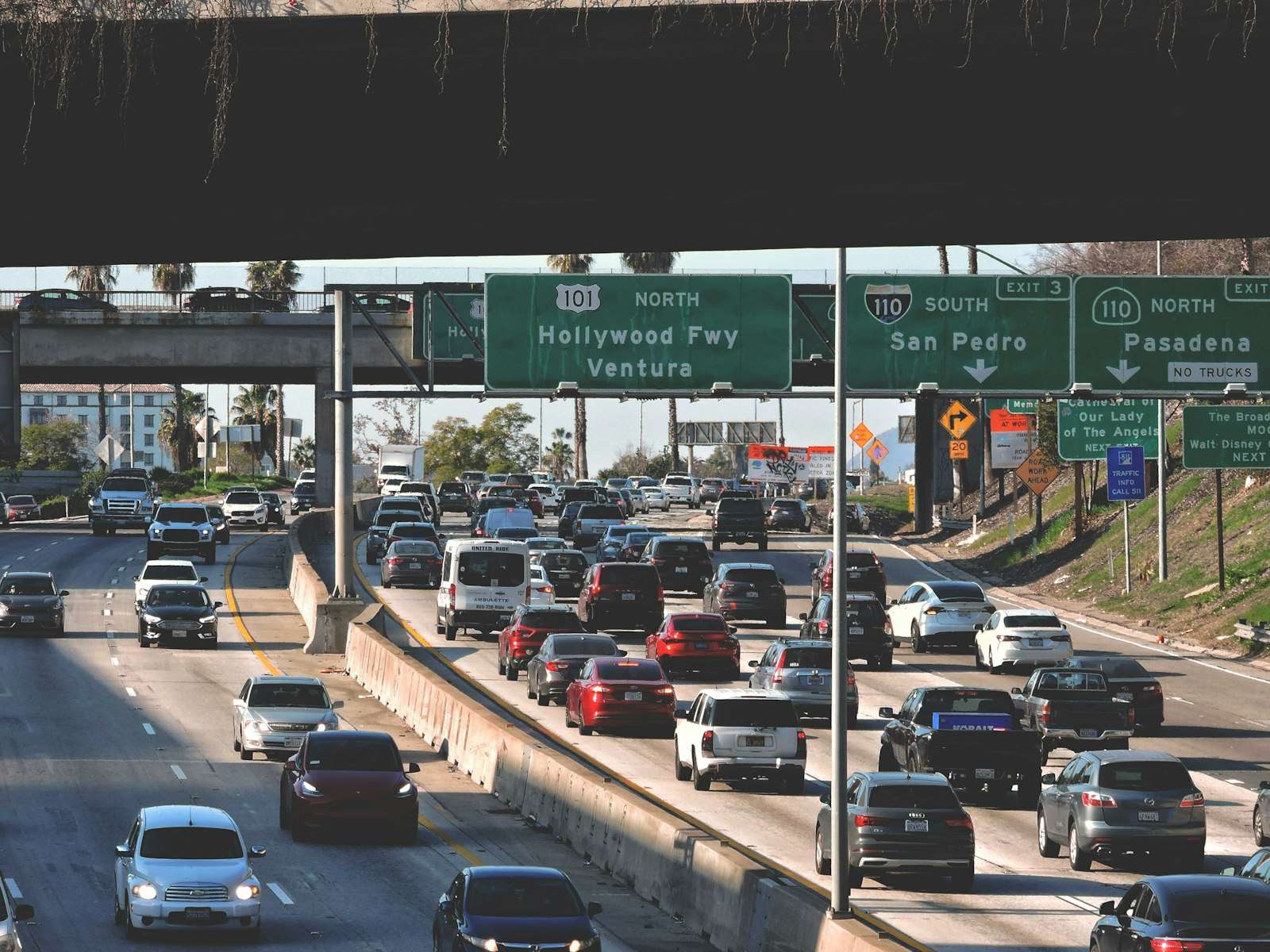
On September 23, 2020, California Gov. Gavin Newsom signed Executive Order N-79-20. It set a goal that every new passenger car and pickup sold in the state be zero-emission by 2035. Six years later, the California gas car ban is the most fought-over date in the American car business. Regulators wrote it into a rule, the EPA approved it, Congress voided it, and the Justice Department sued over it.
Here is the part that gets lost in the shouting. The order itself never banned a single gas car. The rule it produced never touched used cars. It never forced anyone to give up a car they owned. And it always let plug-in hybrids count toward the target.
What Happened on September 23, 2020
The governor’s announcement set three targets. All new passenger cars and trucks sold in the state would be zero-emission by 2035. Medium- and heavy-duty trucks would reach zero-emission operation by 2045 where feasible. Drayage trucks at ports got a faster 2035 clock.
An executive order cannot write vehicle rules on its own. N-79-20 told the California Air Resources Board (CARB) to draft the regulations. The order also said, in plain terms, that Californians could keep owning gas cars and selling them on the used market.
The governor’s office backed the move with its own numbers. It said transportation produced more than half of California’s carbon pollution. It also blamed cars and trucks for 80% of smog-forming pollution and 95% of toxic diesel emissions. The state projected a cut of more than 35% in greenhouse gases from cars and 80% in nitrogen oxides.
Why the California Gas Car Ban Mattered at the Time
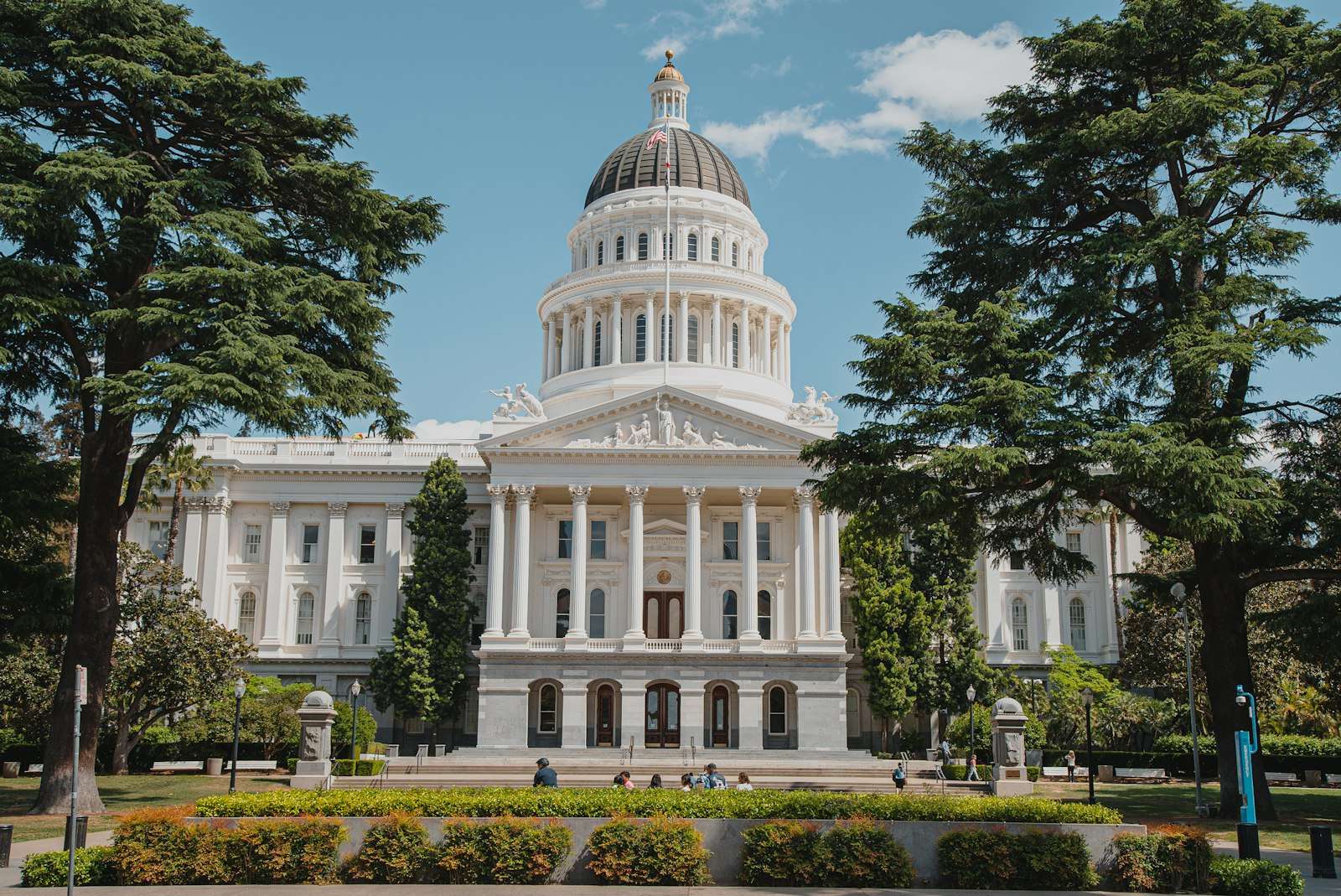
California is not just another state when it comes to cars. Under the Clean Air Act, it is the only state that can ask the EPA for a waiver to set its own vehicle emissions standards. That carve-out dates to the 1960s. We broke down the 1966 loophole behind California’s emissions power earlier this year. Other states can then adopt California’s rules. So a date picked in Sacramento becomes a planning date for automakers nationwide.
The timing mattered too. The first Trump administration had moved in 2019 to strip California’s waiver authority. Newsom’s order was a legal and political marker as much as a climate plan. The state also had charging money in play. Part of Volkswagen’s diesel settlement funded a national charging network, which ties back to our September 18 look at how the EPA caught Volkswagen cheating.
How the California Gas Car Ban Became a Rule, Then Lost Its Teeth
The order took six years to go from signature to courtroom. Here is the short version:
- August 25, 2022: CARB approved Advanced Clean Cars II. It required 35% zero-emission or plug-in hybrid sales for model year 2026, 68% for 2030 and 100% for 2035.
- December 17, 2024: The EPA granted California’s waiver. The notice confirmed automakers could meet up to 20% of the requirement with qualifying plug-in hybrids.
- June 12, 2025: President Trump signed Congressional Review Act resolutions revoking the waivers for Advanced Clean Cars II and two truck rules. Newsom answered the same day with a new order, N-27-25. California and allied states went to court.
- March 12, 2026: The Justice Department and the Department of Transportation sued CARB. They argue federal fuel economy law preempts California’s zero-emission rules.
- September 2, 2026: A federal judge in Washington blocked the EPA from reclassifying older California waivers so Congress could kill them too. We explained how the EPA restarted the Congressional Review Act clock before that ruling.
Meanwhile, CARB fell back on its older Advanced Clean Cars I standards. It also started a replacement effort it calls Drive Forward. Lawyers at Alston & Bird wrote in June that the work is in its earliest stages. They expect specific automaker obligations may not surface for several years.
What It Means for Car Buyers and Drivers Today
If you own a gas car in California, nothing has changed. Nothing in the 2020 order or the 2022 rule was ever going to change it. You can still drive, register and resell a gas car. What Congress knocked out was the sales quota. Automakers were supposed to deliver 35% zero-emission cars starting with the 2026 model year.
Money moved the market more than the mandate did. The California Energy Commission reported a record 29.1% zero-emission share in the third quarter of 2025, with 124,755 sold. Buyers rushed in before the federal EV tax credit ended on September 30, 2025. In the fourth quarter, the share fell to 18.9%. That drop shows how price-driven demand was. It is also why state programs now matter so much. See our guide to state EV rebates after the federal credit died and our look at who actually qualifies for California’s new rebate.
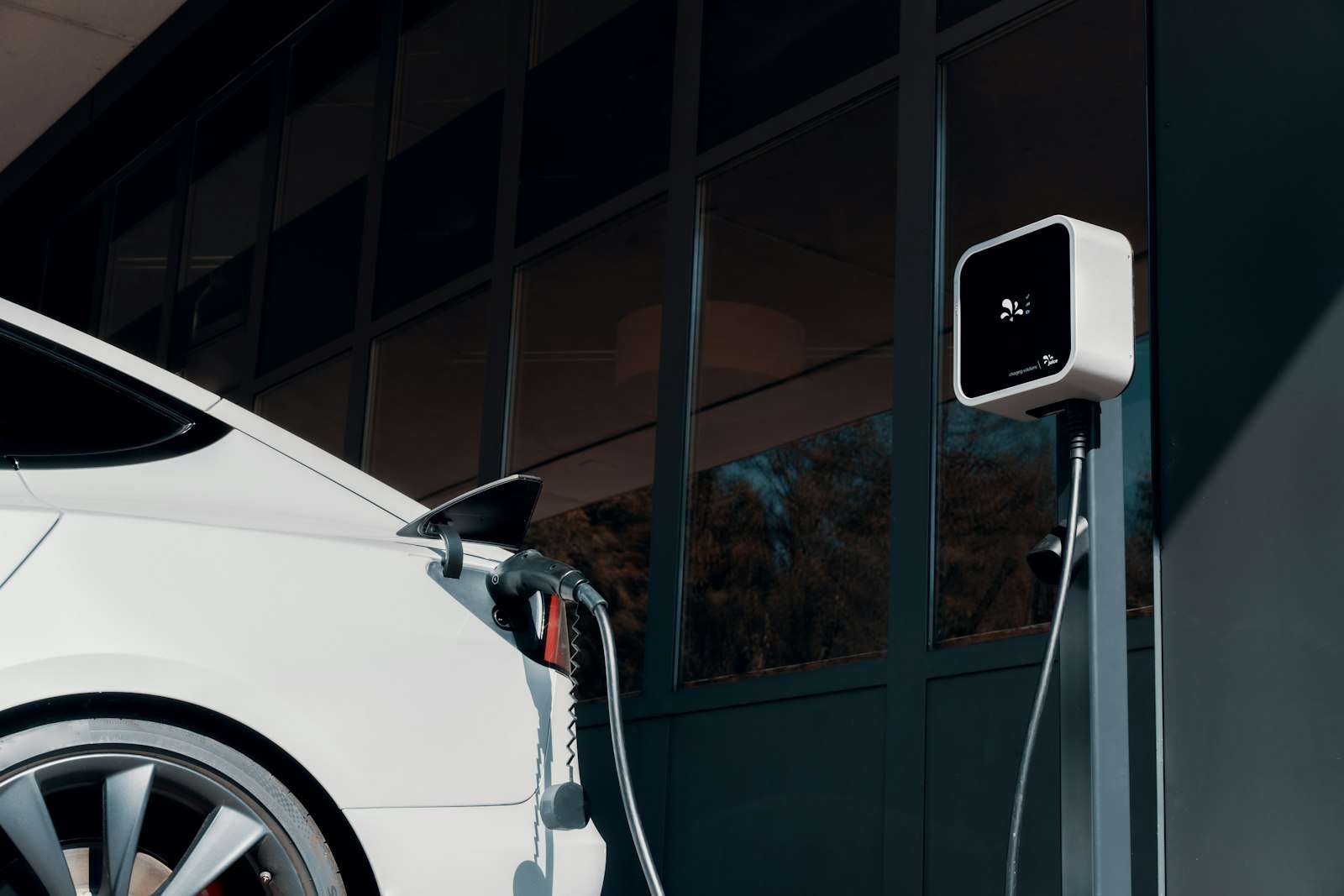
Some of the charging the order called for did get built. The state counts more than 200,000 public and shared private chargers and about 800,000 home chargers. Californians have bought more than 2.5 million zero-emission vehicles. Hydrogen, which also counted under the order, went the other way. California’s hydrogen fueling network is shrinking.
What It Means for Automakers
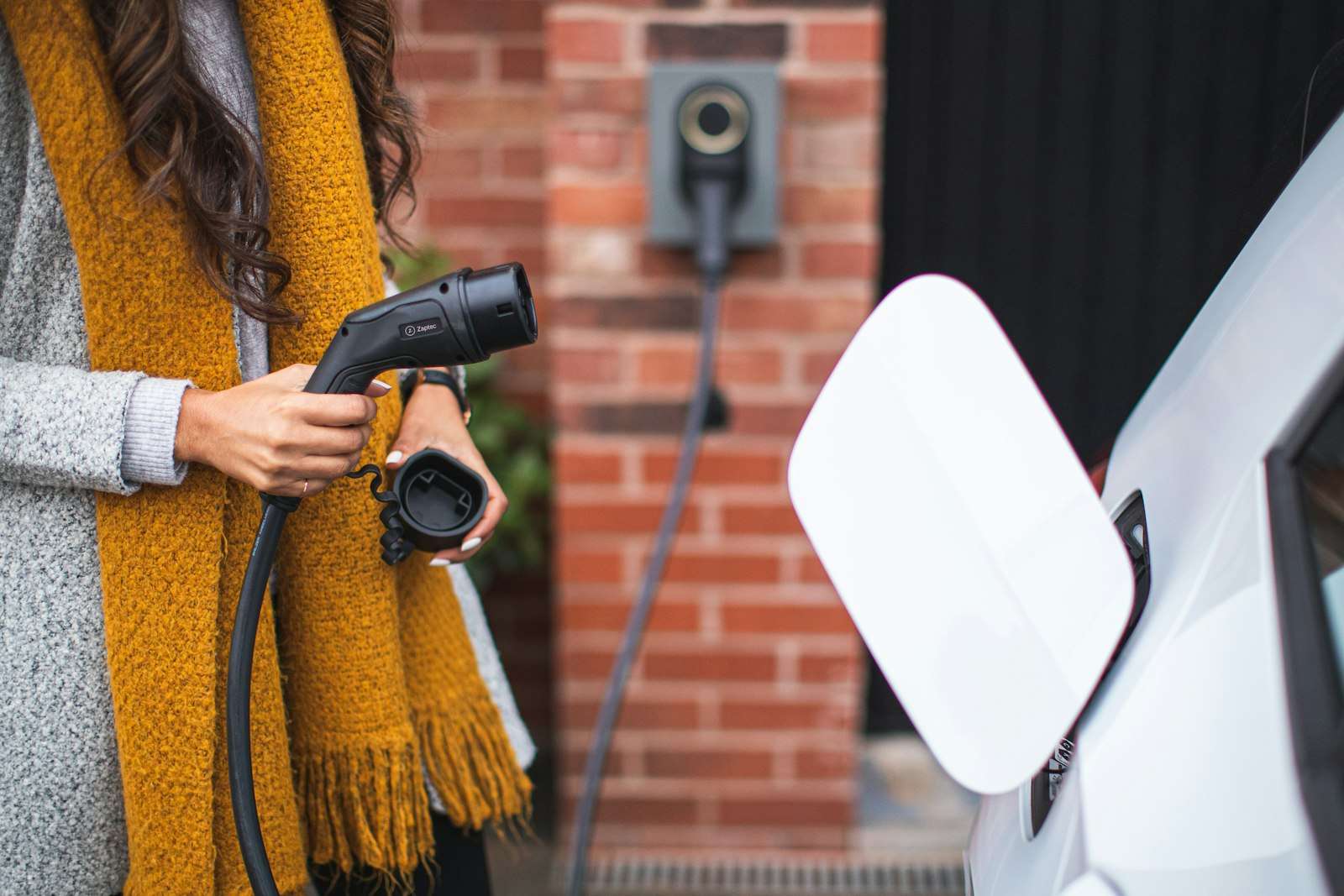
For manufacturers, the order’s biggest legacy is uncertainty. Product plans take five to seven years. Many automakers built those plans around a 2035 cliff that may not exist when the cars arrive. The 20% plug-in hybrid allowance is one reason they kept investing in PHEVs while promising all-electric lineups. Europe offers a parallel. New rules there push plug-in hybrids toward much bigger batteries, as we covered with Volvo’s long-range XC60 plug-in hybrid.
Politically, the California gas car ban has outlived its own rule. Polling shows many Californians turning against the target. Yet, as we reported, the enforceable mandate has already collapsed. The state reaffirmed the 2035 goal in 2025. For now, though, no working regulation stands behind it.
The Bottom Line
September 23, 2020, is when “2035” stopped being a talking point. It became a date every automaker, regulator and car buyer had to plan around. The order did not ban gas cars, and the rule it spawned is tied up in court. Its real effect was forcing a question the country still hasn’t settled. Who decides what new cars Americans can buy: one state, or Washington?
For more from this series, read about the Plaza Accord that moved Japan’s car plants to America.
Should one state be able to set a deadline that shapes which cars get sold across the country, or should that call belong only to federal regulators? Tell us where you stand and why.