
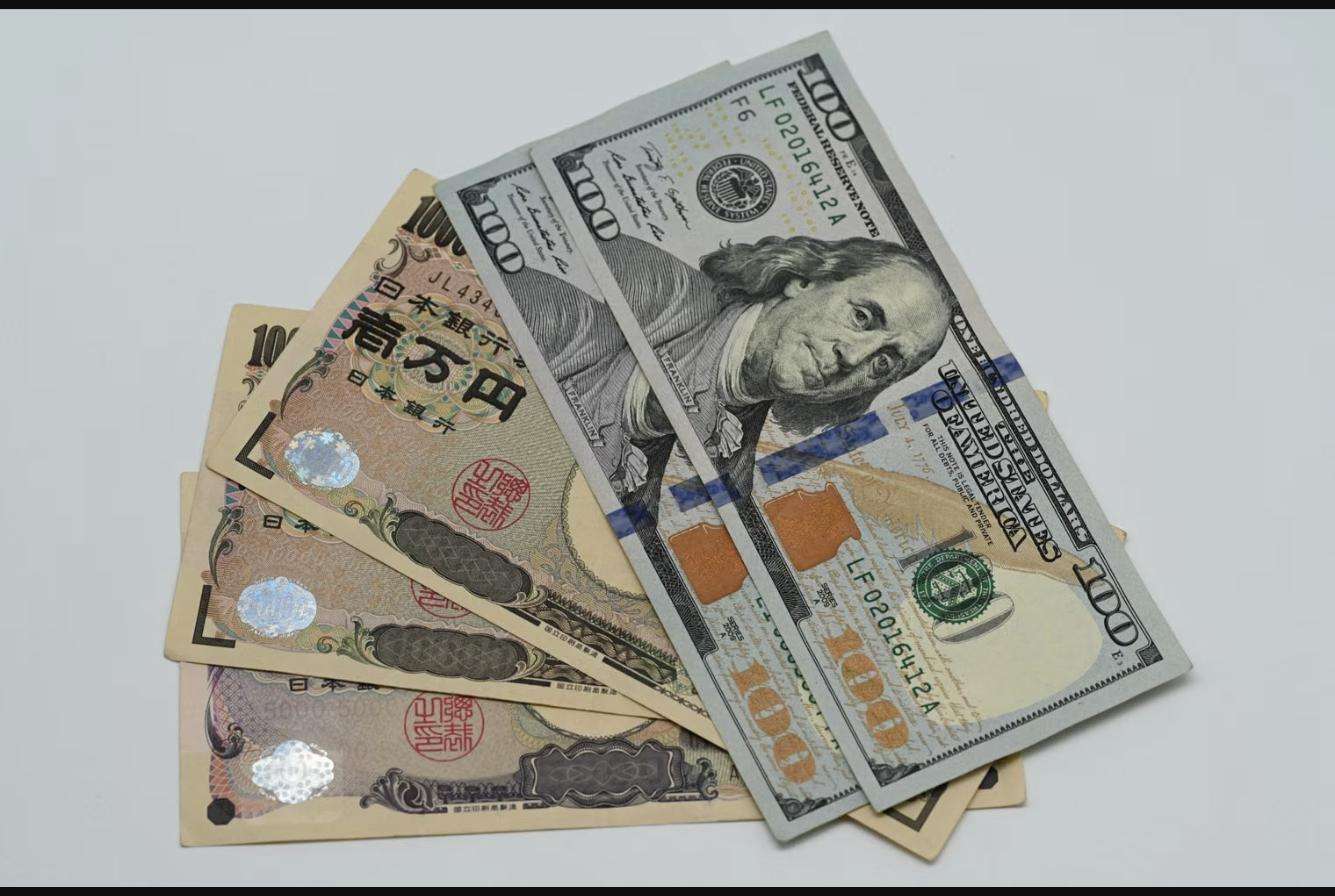
On September 22, 1985, five finance ministers walked into New York’s Plaza Hotel and agreed to make the U.S. dollar cheaper. No car launched that day. No safety rule changed. Even so, the Plaza Accord reshaped what Americans drive, and where those cars get built, more thoroughly than any product decision of the decade.
Within roughly two years, the dollar lost about half its value against the Japanese yen. Japanese automakers raised prices, pushed upmarket, and started pouring concrete in Kentucky, Michigan, Illinois and Indiana. Those factories are still running today.
What the Plaza Accord Actually Said
The meeting brought together the finance ministers and central bank governors of the United States, Japan, West Germany, France and the United Kingdom. Treasury Secretary James Baker hosted. Japan sent Noboru Takeshita, West Germany sent Gerhard Stoltenberg, France sent Pierre Beregovoy, and Britain sent Nigel Lawson.
Their joint statement was short. The five governments said a further orderly rise in non-dollar currencies was desirable, and they promised to cooperate to encourage it. In plain English, they would sell dollars together until the exchange rate moved. When markets reopened the following Monday, the dollar fell about 4 percent.
Why a Currency Deal Was Really a Car Deal
Between 1980 and 1985, the dollar had climbed roughly 50 percent against the yen, the Deutsche mark, the French franc and the pound. A strong dollar makes imports cheap and exports expensive. The U.S. current account deficit swelled to about 3.5 percent of GDP.
Detroit felt it first, but it was not alone. Carmakers, heavy equipment builders such as Caterpillar, technology firms including IBM and Motorola, and grain exporters ran a loud campaign for trade protection. By 1985, Congress was seriously weighing protectionist bills. The Reagan administration opened the negotiations that produced the Plaza Accord partly to keep those bills from passing.
Japan’s carmakers were already on a leash. Since 1981, Tokyo had run “voluntary” export restraints that capped how many cars Japanese brands could ship to American dealers each year. The currency deal stacked a second squeeze on top of the first.
The Yen Doubled, and Window Stickers Followed
The numbers moved fast. Bank of Japan spot rate data puts the monthly average at 236.91 yen to the dollar in September 1985. By December it was 202.75. It hit 154.11 in August 1986 and 128.25 by December 1987.
For a company paying engineers, suppliers and welders in yen, that is brutal arithmetic. Every car shipped from Japan suddenly needed far more dollars just to break even. Prices climbed on American lots, exports stalled, and Japan slid into the downturn its own economists named endaka, or the strong yen recession.
After the Plaza Accord, Build It Here or Stop Selling It Here
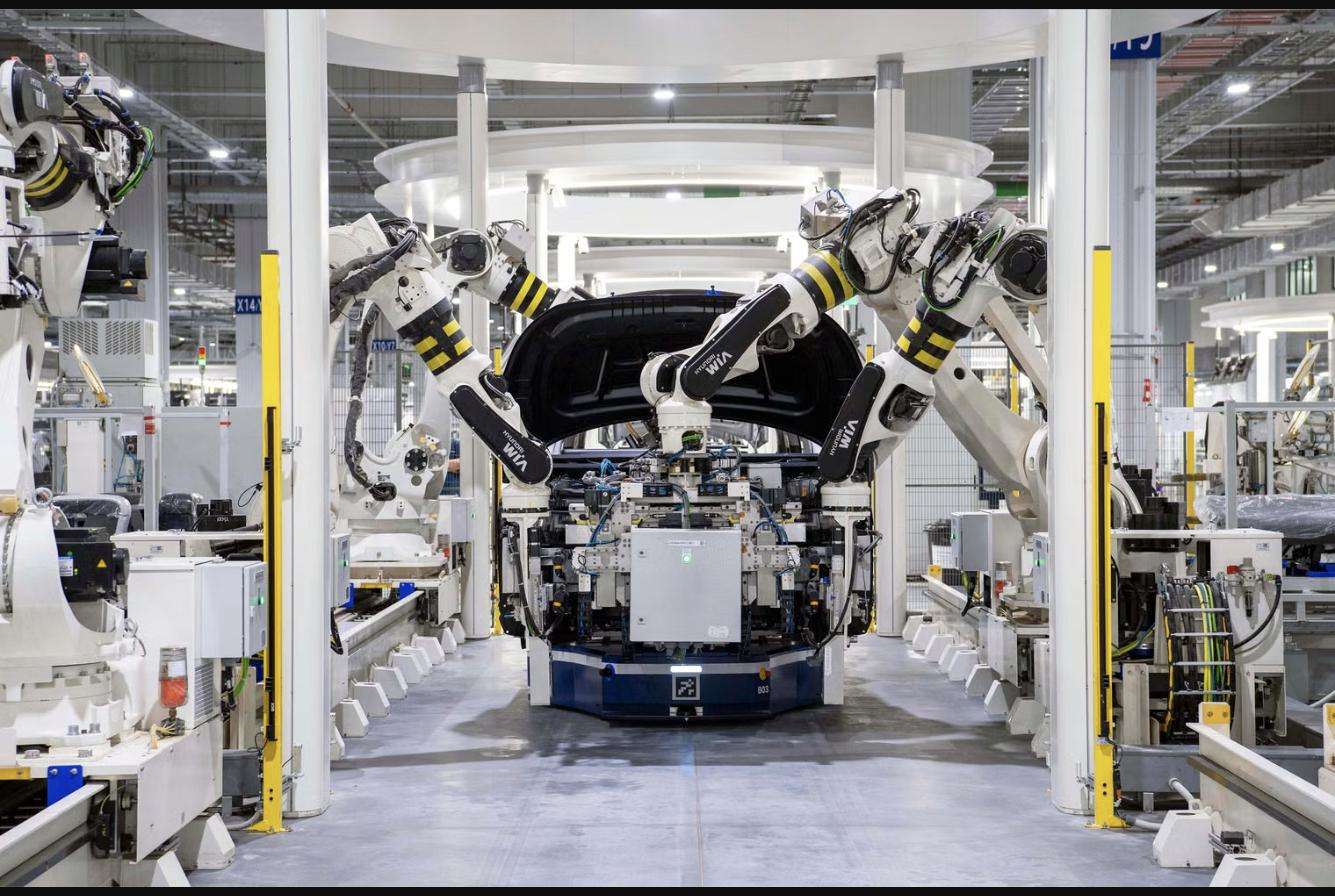
A handful of Japanese plants already existed. Honda had been assembling cars in Marysville, Ohio, since 1982. Nissan opened in Smyrna, Tennessee, in 1983. Toyota and General Motors launched their NUMMI joint venture in California soon after.
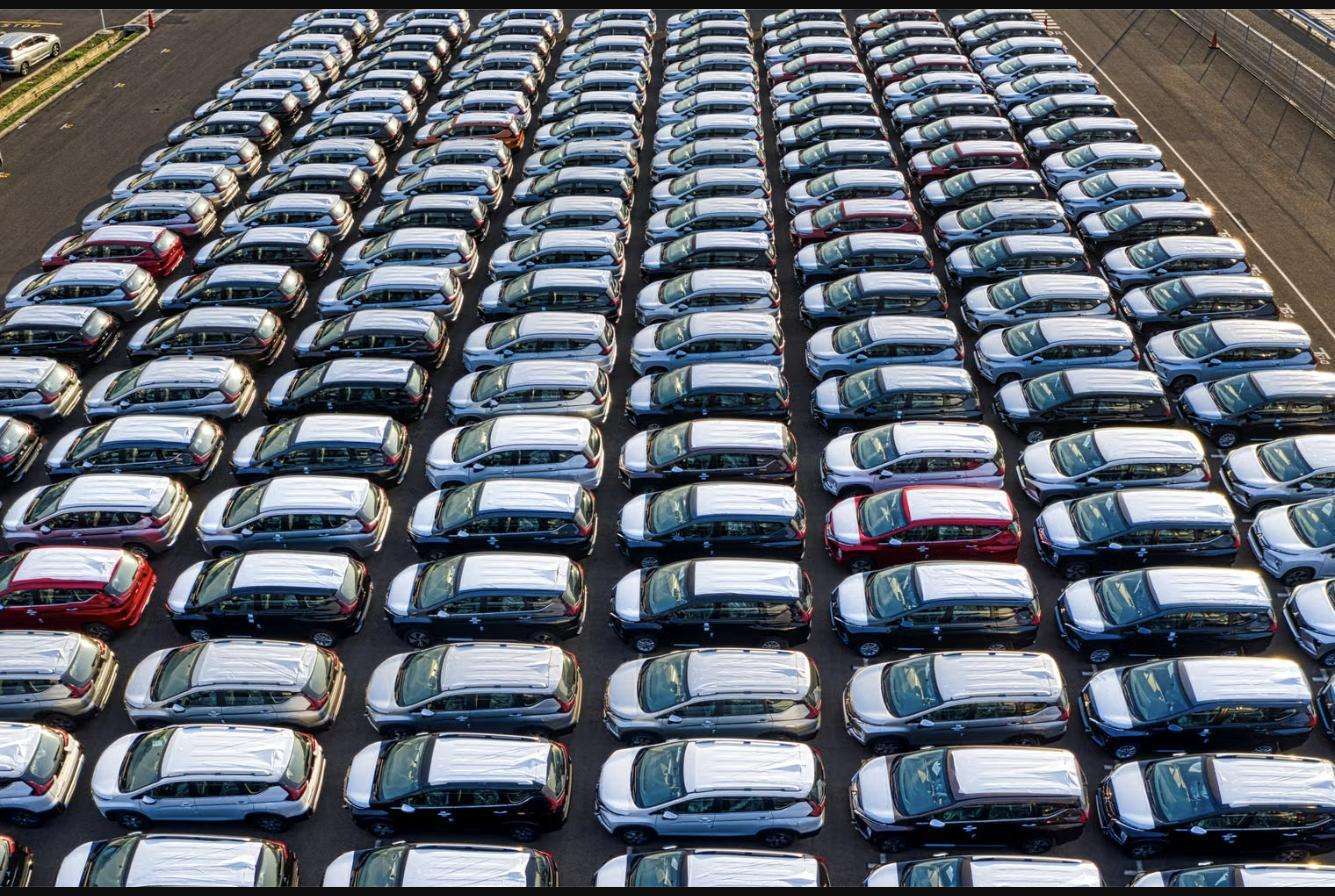
After September 1985, the trickle turned into a wave. Toyota incorporated Toyota Motor Manufacturing Kentucky in January 1986 and built its first Camry in Georgetown on May 26, 1988. Mazda started production in Flat Rock, Michigan, in 1987. The Mitsubishi and Chrysler Diamond-Star plant in Illinois and the Subaru and Isuzu plant in Indiana followed.
The reasoning was simple. A car built in Kentucky and sold in Kentucky does not care what the yen does. Local assembly turned a currency problem into a fixed cost, and it cooled the political problem at the same time.
The Luxury Brands Nobody Had Planned to Need
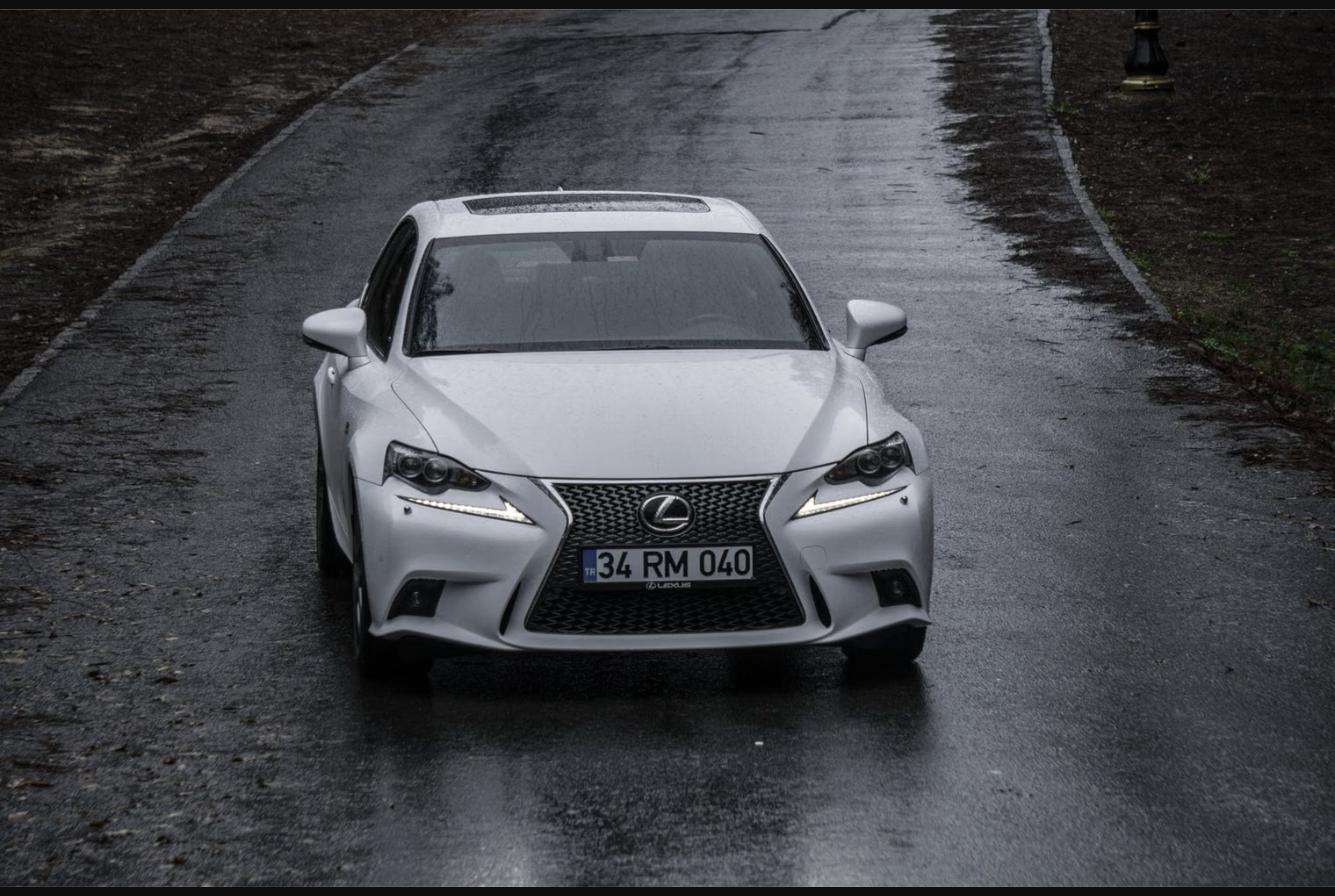
Export caps had already nudged Japanese brands toward pricier cars, because a quota counts units rather than dollars. Toyota chairman Eiji Toyoda kicked off the flagship program that became Lexus in 1983. Honda introduced Acura in 1986. Nissan revealed its Infiniti plans in 1987, and both Lexus and Infiniti reached showrooms in 1989.
The Plaza Accord turned that nudge into a shove. If you can only ship a limited number of cars, and each one costs more dollars to build, you stop selling cheap ones and start selling expensive ones. Three premium brands that still move hundreds of thousands of vehicles a year in America grew out of that math.
The loop eventually closed. Toyota added Lexus ES production at Georgetown in 2015, backed by a 360 million dollar investment, and Akio Toyoda marked the moment by noting that “Lexus was founded in the United States.”
What the Plaza Accord Still Means for Car Buyers
Start with the obvious. Most of the imports in an American driveway are not imports at all. Camrys come from Kentucky, Accords from Ohio, Rogues from Tennessee. Those addresses are a direct inheritance from 1985, and they are the reason a weak or strong yen barely moves the price of a mainstream Japanese nameplate today.
The same playbook is running again, except the trigger is now tariffs rather than currency. Geely, for instance, built its first car for the Americas in a factory it did not have to build, and Korean suppliers keep planting flags in the Midwest, as Hansae Mobility did with a 93 million dollar plant in Chesterfield. Hyundai and Kia went further still and are building their own American steel mill. Localizing production to escape a trade barrier is a 1985 idea with a 2026 spreadsheet.
The limits of that strategy are old news too. In the 1980s, Japanese firms discovered that building here solved the currency math but not the politics. Chinese automakers are learning the same lesson now, because they could open American plants tomorrow and still be blocked from selling the car.
There is a pricing lesson as well. When volume gets capped, automakers chase margin, and cheap cars are always the first casualty. That instinct never went away, which is part of why the average new car now costs more than 50,000 dollars. Buyers who want an entry-level model keep discovering that nobody wants to build one.
The Bottom Line
The Plaza Accord was never meant to be automotive policy. It was a currency agreement written by finance ministers thinking about trade deficits, not tailfins. Yet it rerouted an entire industry, seeded a generation of American assembly plants, and invented three luxury brands almost as a side effect.
Forty-one years later, the map of American car manufacturing still looks the way it does because of one afternoon at a hotel on Central Park South. Factories outlive the policies that create them, and that is the part worth remembering the next time a trade fight makes headlines.
More from this series: how General Motors was founded on September 16, 1908, what the 1970 GM strike still costs car buyers, and the day the EPA caught Volkswagen cheating on emissions.
Sources: the Group of Five announcement issued at the Plaza Hotel on September 22, 1985, as recorded in the historical record; Bank of Japan monthly average dollar-yen spot rates; Toyota Motor Manufacturing Kentucky company history.